COVID-19: Water’s Role in Protecting Public Health
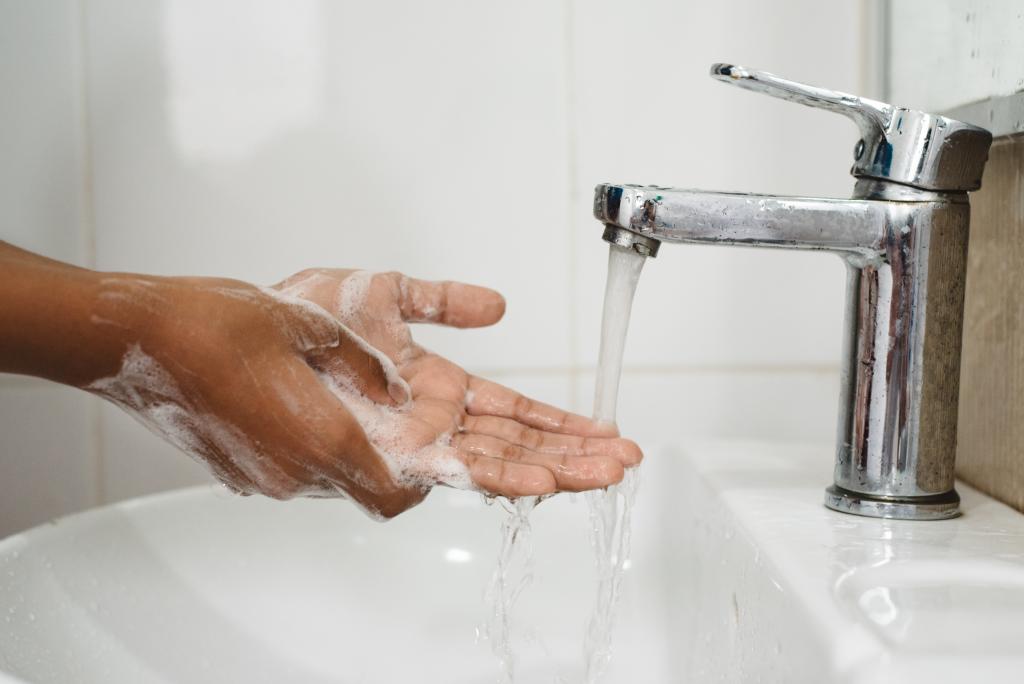
Hand washing is one of the most important ways to protect yourself
March 13, 2020

The Centers for Disease Control and Prevention (CDC) says public drinking water disinfection and treatment is “one of the greatest public health achievements of the 20th century.” In the early 1900’s access to clean water helped dramatically reduce the occurrence of diseases including cholera and typhoid.

Today, we are reminded of the critical importance of clean water for public health as our region, the nation and the world grapples with what the World Health Organization is calling a global pandemic.  The outbreak of a new coronavirus was first detected in China and has now spread to many more countries, continents and now our communities.

At DC Water we are taking proactive measures to ensure we can continue to provide our customers with water and sewer services throughout this crisis.  Health officials say the provision of safe water, sanitation and hygienic conditions is essential to protecting human health during all infectious disease outbreaks, including the coronavirus outbreak. And frequent and proper hand hygiene is one of the most important things we all can do to prevent infection. That means washing your hands often with soap and water for at least 20 seconds.

The following everyday actions will also help protect you and your loved ones:

  • Avoid touching your eyes, nose, and mouth with unwashed hands.
  • Avoid close contact with people who are sick.
  • Stay home when you are sick.
  • Cover your cough or sneeze with a tissue, then throw the tissue in the trash.
  • Clean and disinfect frequently touched objects and surfaces.

There is no evidence COVID-19, the disease caused by the coronavirus, can survive in treated drinking water. The same disinfectants, like chlorine, that make the water safe to drink, are effective against COVID-19. DC’s drinking water has two stages of disinfection during the water treatment process before it is distributed to the city. The first stage is free chlorine and the second is chloramine, both very effective at killing viruses.  Additionally, residual disinfection levels throughout our pipe distribution system remain at effective levels to keep water clean and safe.

For more information, we recommend you visit the CDC, EPA and state health department web pages for the latest updates:

o CDC

o EPA - Drinking Water and Wastewater FAQs

o District of Columbia Department of Health

o Maryland Department of Health

o Virginia Department of Health

Latest Posts

Five photos from the American Water Works Association (AWWA) ACE26 conference featuring panel discussions, technical presentations, networking, and attendees posing at the ACE26 display.
Jun 30, 2026
More than 80 DC Water employees joined thousands of water professionals in Washington, D.C., sharing expertise, building partnerships and advancing conversations that will help shape the future of water.
DC Water General Manager and CEO David Gadis recognizes Lily MacDonald during the May Board of Directors meeting.
May 13, 2026
A speechwriting assignment became a call to action for water access and affordability through DC Water's SPLASH program.
A helicopter lowers a drill rig to workers on the Potomac River.
Jan 29, 2025
When one of your major sewer lines runs through the Potomac River, a backhoe and trencher won't do. That's why we've got helicopters carrying a 14-ton drill and workers suspended midair over the Potomac.

Upcoming Meeting

Board of Directors Meeting

April 24, 2023

Monday 9:00 AM

Announcement

DC Water Officials with NPS and ANC commissioners doing ceremonial groundbreaking
DC Water Breaks Ground on Piney Branch Tunnel, Final Phase of DC Clean Rivers Project

Today, DC Water broke ground on the Piney Branch Tunnel, the final major tunnel in our Clean Rivers Project. This work will help keep sewage and trash out of local waterways and make Rock Creek, the Potomac River, and the Chesapeake Bay cleaner for our community.

When we finish the Piney Branch Tunnel, it will hold at least 4.2 million gallons of rainwater and wastewater during heavy storms. Instead of overflowing into Piney Branch, that water will go to the Blue Plains Water Resource Recovery Facility, where it will be treated.

Latest Blog Post
Five photos from the American Water Works Association (AWWA) ACE26 conference featuring panel discussions, technical presentations, networking, and attendees posing at the ACE26 display.
ACE26 Highlights: How DC Water Advanced the Conversation on Water
More than 80 DC Water employees joined thousands of water professionals in Washington, D.C., sharing expertise, building partnerships and advancing conversations that will help shape the future of water.
Upcoming Meeting
Date
July 13, 2026
Monday, 2:00 PM

Upcoming Events

Jul 23
Jul 25

Customer Service Center Announcement

Payment Plan Incentive: provides a credit back of 50% of the last 3 payments made. Eligible participants are residential customers who have had an outstanding balance for 60 days or greater and with an outstanding balance of $500 or more.