Why It Matters
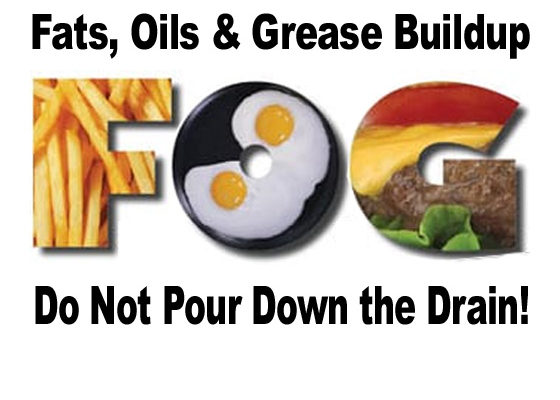
Fats, Oils, and Grease (FOG) can clog pipes and cause costly sewer overflows. DC Water works with Food Service Establishments (FSEs) to prevent these issues through education, inspections, and enforcement.
What is a Food Service Establishment?
Any commercial or government facility that prepares or serves food—such as restaurants, cafés, cafeterias, and institutional kitchens.
FSE Responsibilities
Register with DC Water in FOG BMP Here
All FSEs operating in the District must register through our online portal. This allows you to:
- Manage grease interceptor records
- View inspection results
- Stay up to date with compliance requirements
Install a Grease Interceptor. Unless otherwise approved by DC Water, all FSEs must install and maintain a grease interceptor in accordance with the DC Plumbing Code.
Inspections & Enforcement
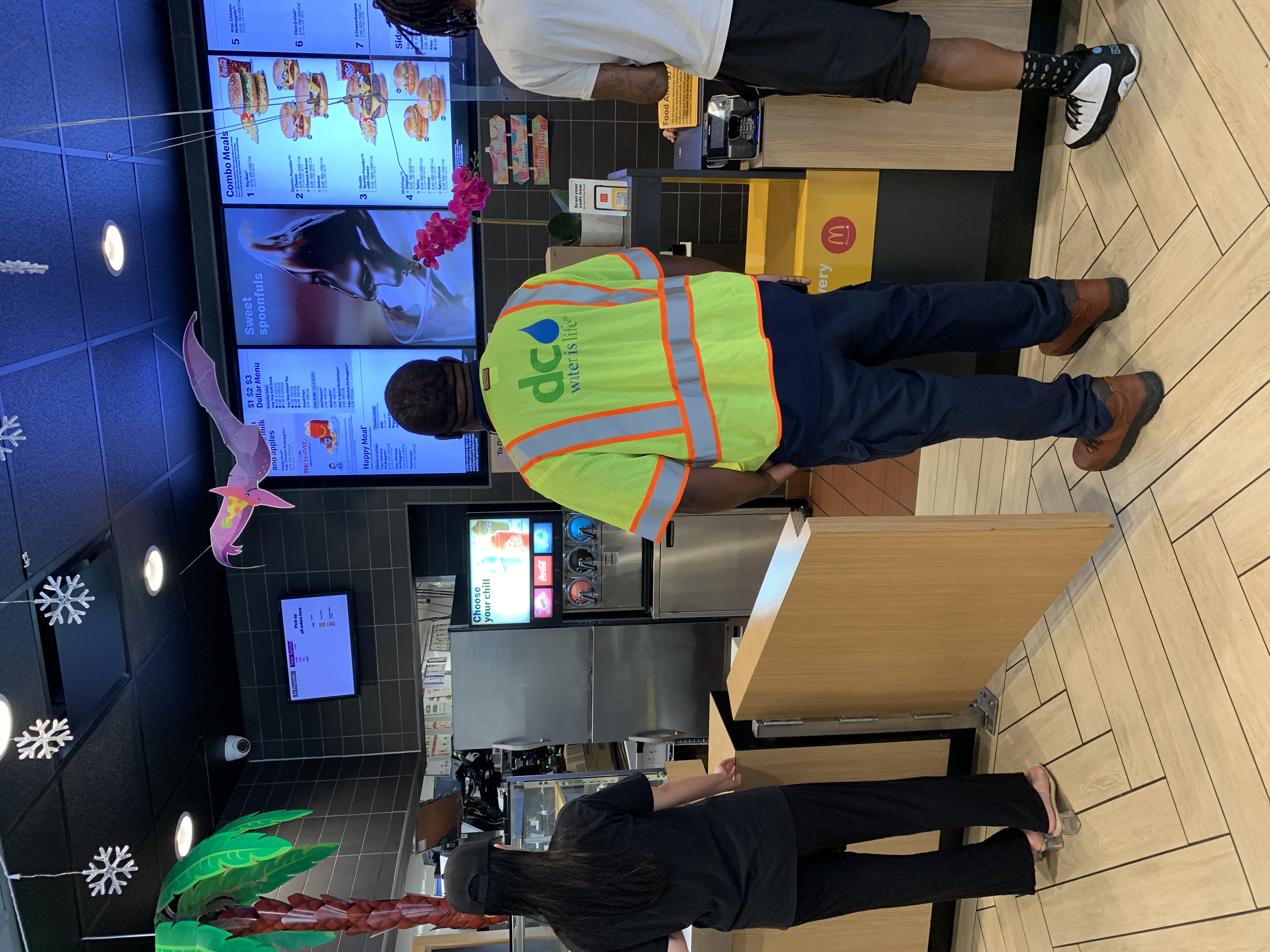
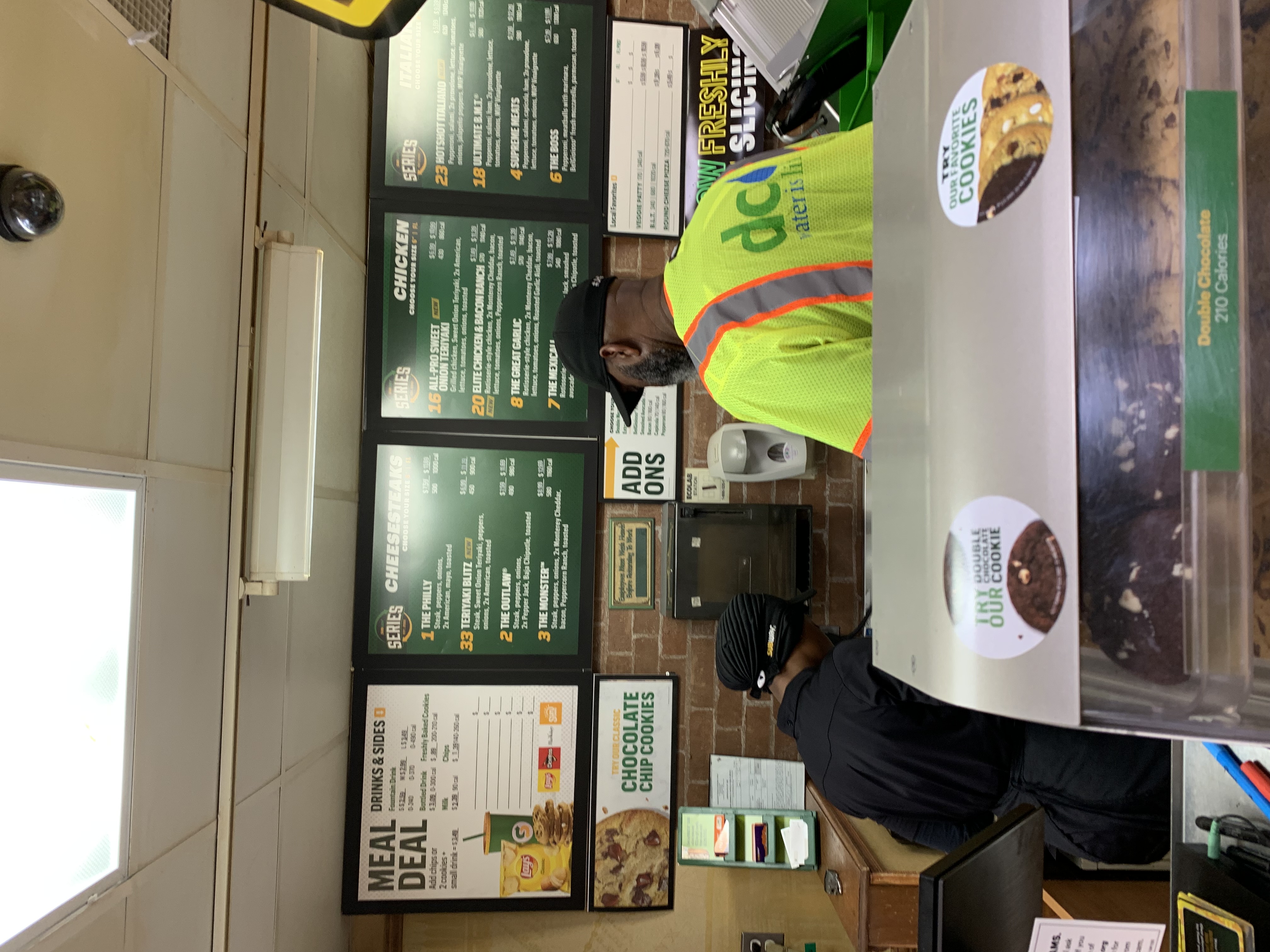
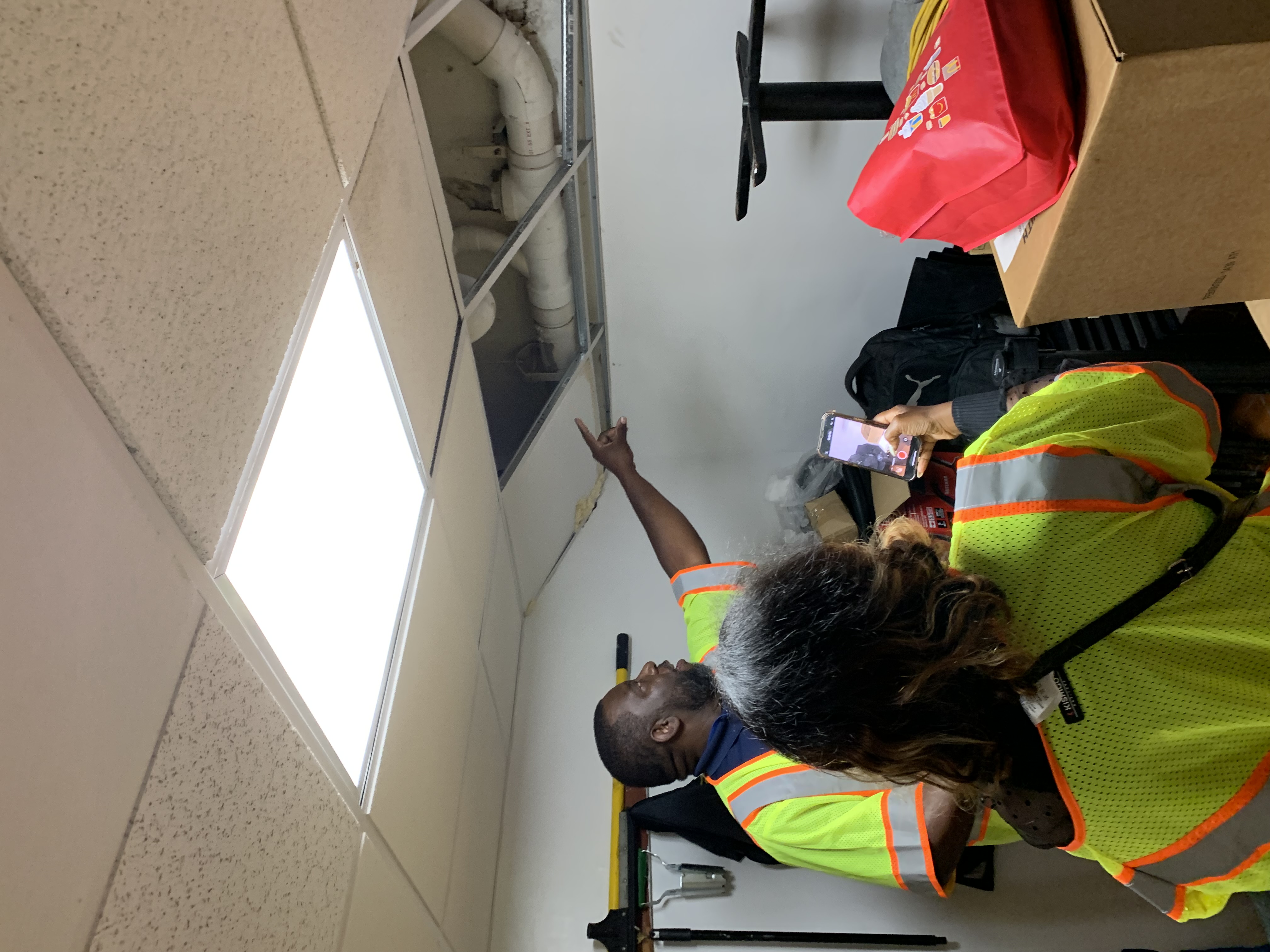
DC Water works in partnership with Food Service Establishments (FSEs) to protect the District’s sanitary sewer system and prevent wastewater backups and overflows. Our inspections are designed to be educational, efficient, and minimally disruptive to your daily operations.
Why Inspections Are Conducted
Food service establishments can generate fats, oils, and grease (FOG), which may build up in sewer pipes and cause blockages. Inspections help ensure compliance with District regulations while supporting businesses with practical guidance and best management practices (BMPs).
Scheduling and Timing
Inspections are conducted during reasonable business hours
We aim to schedule inspections at a time that works best for your operation
Inspections typically take a short amount of time
No service interruptions are required for the inspection
What the Inspection Includes
During the visit, a DC Water representative may:
- Observe kitchen best management practices (BMPs) related to grease control
- Review grease‑generating equipment and related wastewater drainage fixtures
- Identify and document pretreatment devices, such as grease interceptors
- Verify that grease control systems are properly maintained and accessible
- Review cleaning and maintenance records for grease interceptors, if applicable
Education and Support
A key part of the inspection is education. During the visit, DC Water staff will:
- Answer questions about grease management requirements
- Provide guidance on effective BMPs
- Discuss compliance expectations in clear, practical terms
What the Inspection Does Not Include
- No disconnection of water service
- No interruption of food service operations
- No surprise enforcement actions during routine inspections
Our goal is to help businesses understand requirements and prevent future issues before they occur.
After the Inspection
If everything is in compliance, no further action is required
If issues are identified, DC Water will explain the next steps and provide guidance on how to address them
Businesses are encouraged to ask questions and seek support at any point
Our Commitment to Partnership
DC Water values cooperation and partnership with the business community. Inspections are an opportunity to work together to protect infrastructure, the environment, and neighborhoods across the District.
If you have questions or would like to schedule an inspection, please contact DC Water directly. We appreciate your cooperation and commitment to compliance.
Contact us for an inspection at fog@dcwater.com
FSE Best Management Practices or BPMs
Following and practicing good BMPs greatly reduce the risk of grease being discharged and damaging the sanitary systems.
To stay compliant and protect your plumbing, follow these BMPs:
- Install and maintain a grease abatement system in accordance with the DC Plumbing Code. Keep a record of maintenance.
- Collect and recycle used cooking oil.
- Store and transport cooking oil in covered containers and don't overfill.
- Use drain screens and eliminate greasy food from garbage disposals.
- Scrape or wipe food scraps and oily residue from dishes and cookware prior to washing. Dispose of these food scraps and residue in the trash.
- Properly dispose of hood cleaning wastewater into a drain connected to a grease trap or interceptor.
- Do not use corrosive cleaning products. This may strip metal surfaces, causing metals to build up in the grease trap or interceptor and violate DC Water pretreatment standards.
- Place absorbent pads in areas of frequent drips or spills and/or cover floor drains in the vicinity of fryers and griddles.
- Create and use spill kits to remove grease from floors prior to mopping.
- Display kitchen signs or posters with BMPs prominently in the kitchen.
- Train new employees in kitchen BMPs
Grease Interceptors and Devices
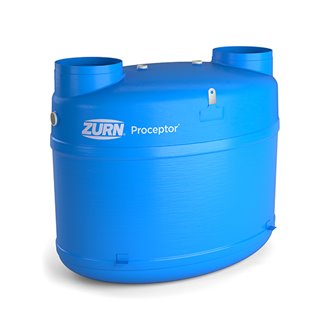
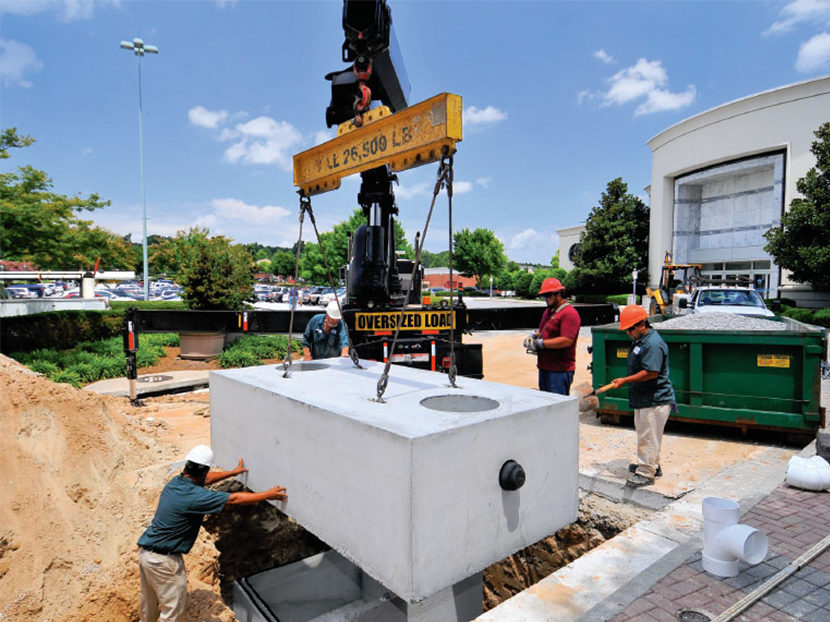
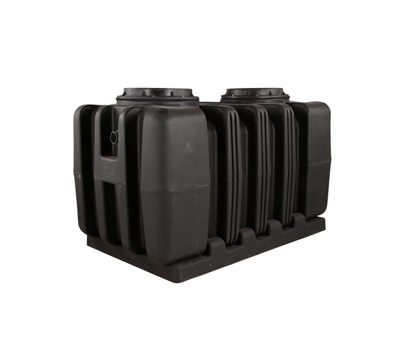
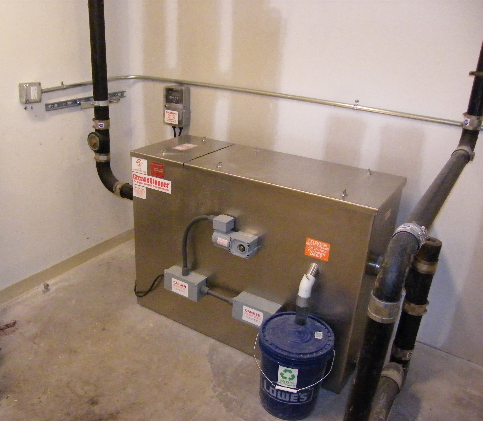
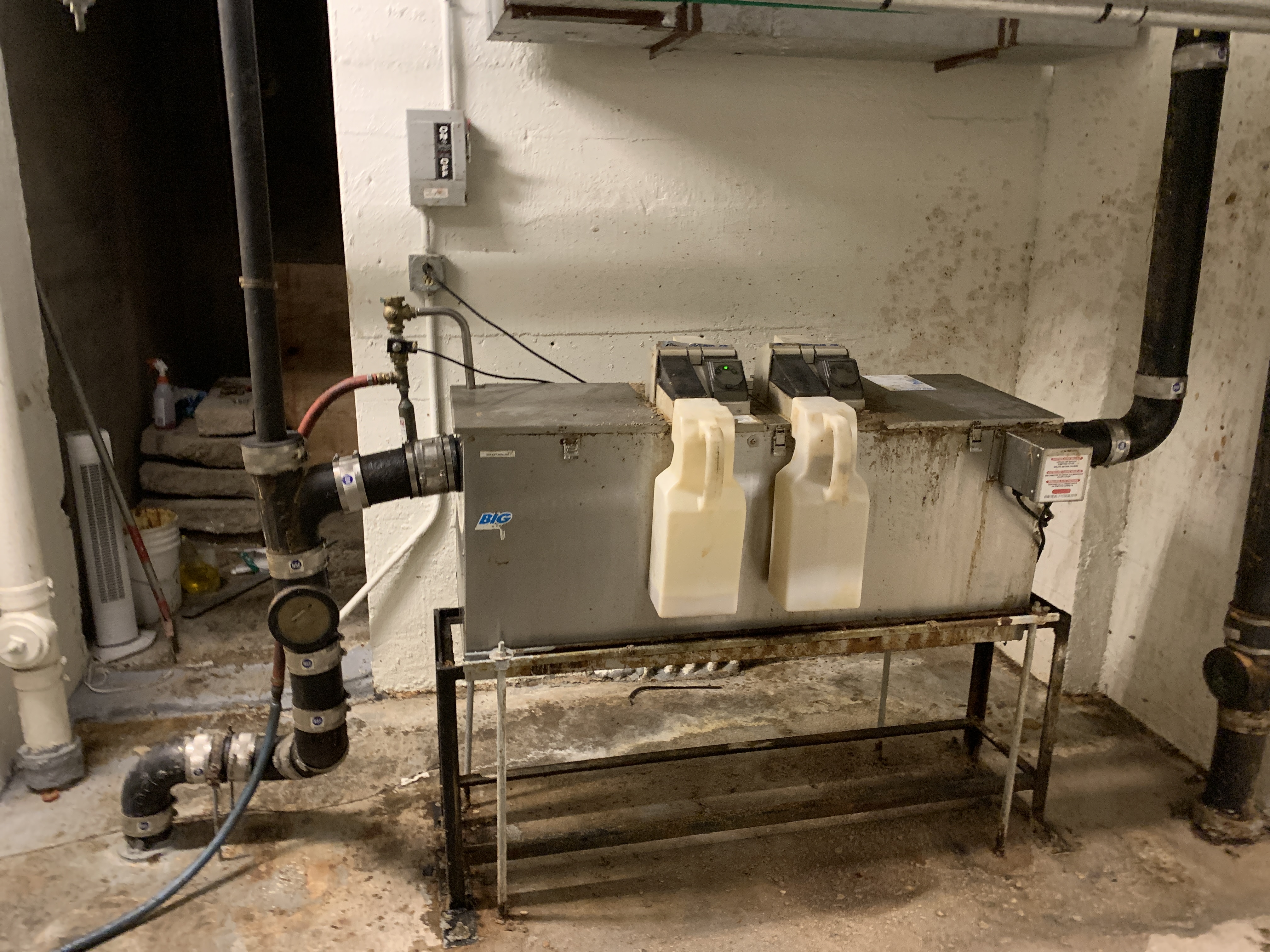
Grease interceptors separate and hold FOG (fats, oils, and grease) while allowing wastewater to flow through. All interceptors must be regularly maintained and inspected to ensure optimal performance. FSEs (Food Service Establishments) are responsible for this maintenance and for preventing FOG discharge into the sewer system. Grease interceptors come in all different sizes and shapes, but there are three types of grease interceptors
-
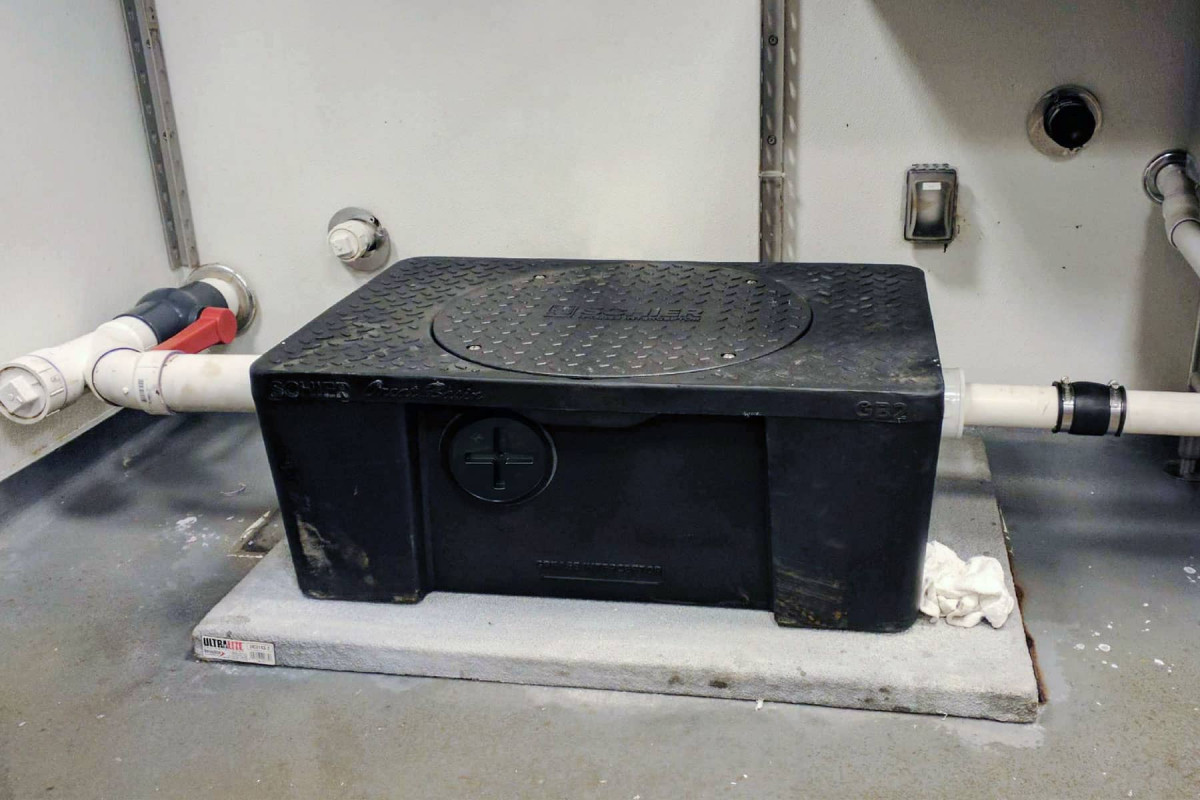
Gravity Grease Interceptors- Found usually outside in the ground or in Parking Garages
-
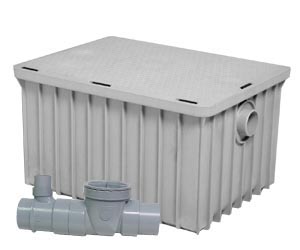
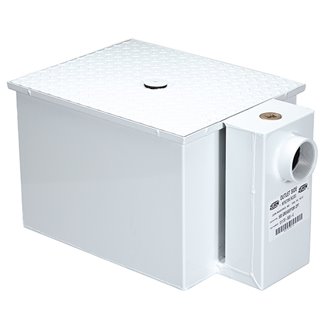
Hydromechanical Flow-based Grease Interceptors (grease traps)- Found usually inside the kitchen
-
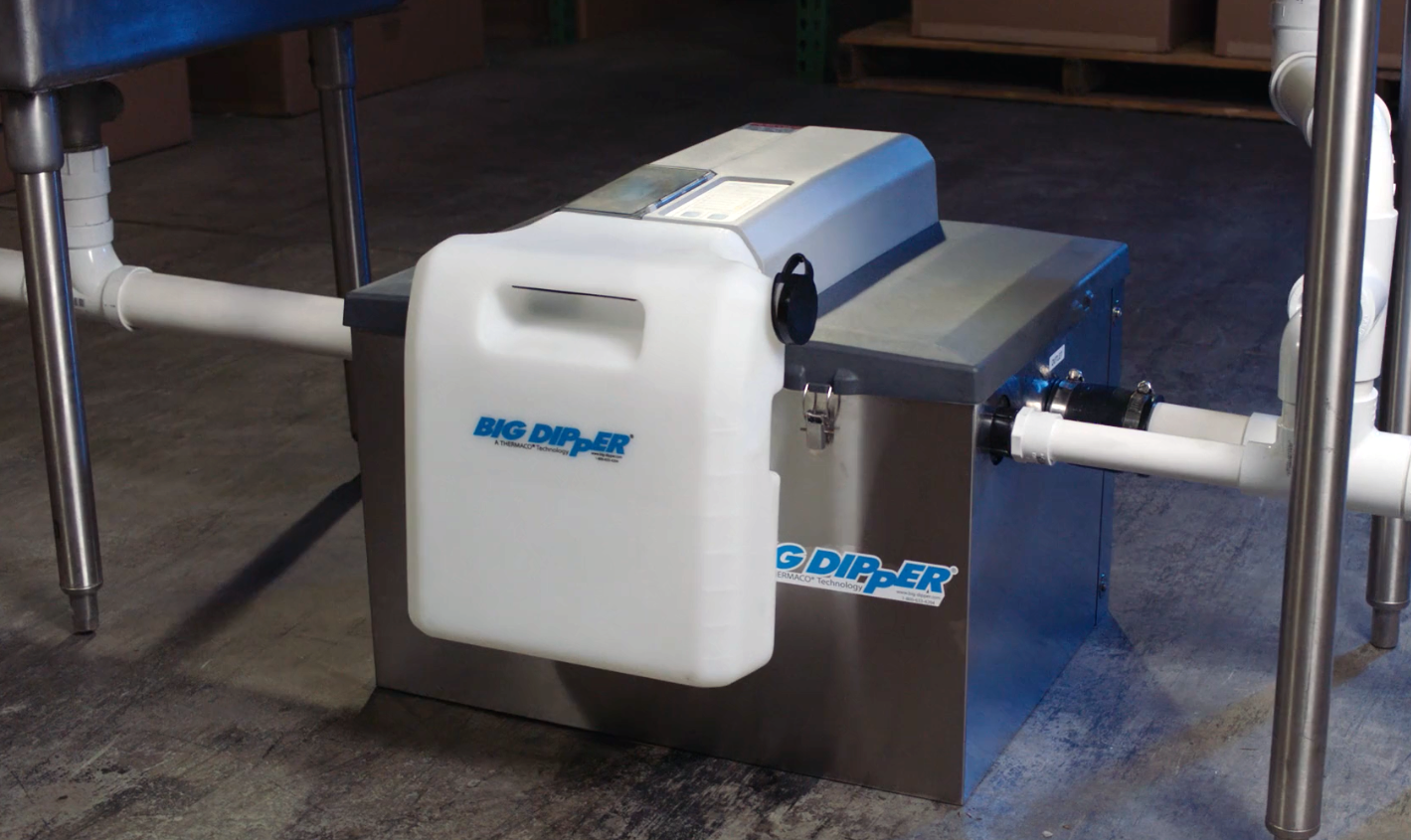
Grease Removal Devices- Found usually under kitchen sinks
How often should I clean my grease interceptor?
Cleaning a grease interceptor depends on the type of interceptor an FSE has and the kind of food operations they have. This can vary from one FSE to the next. DC Water works with FSE customers to make sure that an FSE cleaning schedule is sufficient. Here are some general guidelines from the Code:
- Gravity Grease interceptors: Shall be cleaned and inspected every 90 days or less if the grease interceptor becomes more than 25% full of Grease and Solids.
- Hydromechanical or flow-based interceptors: Shall be cleaned and inspected every 30 days or less if the grease interceptor becomes more than 50% full of Grease and Solids.
- Grease Recovery Devices or Electromechanical interceptors: Shall be cleaned and inspected every 30 days or less if the grease interceptor becomes more than 50% full of Grease and Solids. These devices are required to be strictly maintained according to the manufacturer's required Maintenance.
Cleaning and Maintaining Grease Interceptors
Gravity Grease interceptors must be cleaned by a contractor that specializes in that service.
Hydromechanical grease interceptors larger than 35 GPM should also be cleaned by a FOG Waste Hauler. If the size of the interceptor is less than 50 GPM, you can clean the device yourself. For instructions, see the video below.
For a DC Water Grease Interceptor Cleaning Log, click here
Other Important information about grease interceptors
- Solids should never be put into grease traps or interceptors.
- Routine, often daily, maintenance of grease traps and interceptors is needed to ensure that they properly reduce or prevent blockages.
- DC Water encourages FSE to contract an approved waste hauler to clean the grease interceptor. If an FSE has a Hydromechanical grease interceptor between 25 GPM and 35 GPM a contractor is not required. You can find instructions on how to self-clean here
Protect Your Business
Don’t let FOG shut you down.
Stay compliant. Stay clean. Partner with DC Water.
Restaurant Grease Myths
- My FSE doesn’t have any grease, so I don’t need a grease interceptor!
Not Necessarily True: Grease isn't just from frying foods; it's also in dressings and dairy products like butter and cream. DC Water’s FROG program can help determine if an interceptor is needed. - I don’t have room for a grease interceptor, so I don’t need one!
Myth: If an FSE has grease-generating fixtures, an interceptor is required. Modern interceptors are smaller and more efficient. DC Water can help find solutions when space is limited. - I don’t need to clean my grease interceptor until it smells, or my drains get slow!
Myth: Odors or slow drains indicate the interceptor is overdue for cleaning. DC Water can help determine the best cleaning schedule. - I work in the kitchen, but the grease interceptor isn’t my responsibility!
Myth: All kitchen staff should be educated about FOG and grease interceptors. DC Water offers training on FOG-related issues. FOG is everyone’s problem in DC. - I clean my grease interceptor. I skim the grease on the top.
Myth: Skimming is not sufficient. A full pump-out is required in DC. This is where the interceptor is completely cleaned and washed, is required. - My FSE is “grandfathered” and exempt from having a grease interceptor!
Myth: All FSEs with grease-generating fixtures must comply with DC Construction Plumbing Code and DC Municipal Regulations to abate FOG. - My FSE uses hot water and degreasers to keep FOG from building up.
Myth: Though hot water may allow the grease to flow out of the drain fixture. Eventually, all grease and oil will cool down and become part of the FOG. Same for emulsifiers and other degreasing chemicals. Eventually, the chemical dissipates, and the grease and oil will become FOG. - Grease interceptors cost money. If DC Water cleans up FOG, it doesn’t cost me anything!
Myth: FOG in the sanitary sewer system results in a financial cost for every DC Water customer through their water bills. DC Water is a public utility authority, not a for-profit business.