Although droughts are natural events, there's a lot you can do to help lessen the impact of a drought. DC Water works in coordination with the Metropolitan Washington Council of Governments (COG), the U.S. Army Corps of Engineers Washington Aqueduct which supplies the District's drinking water, and other regional utilities to monitor drought conditions.
Under COG's Water Supply and Drought Awareness Response Plan, there are four stages, starting with normal conditions. When conditions worsen the following drought stages may be implemented:
Drought Watch: Occurs when the U.S. Drought Monitor's drought level for the Potomac River reaches moderate drought (D1). Voluntary water conservation measures are recommended for Wise Water use for water conservation. Reservoir levels remain remain adequate, but conservation is needed should conditions worsen.
Drought Warning: Occurs when combined water supply storage at Jennings Randolph and Little Seneca reservoirs drops too low and/or the inability to meet water supply demands within the next 1-2 months. Volunteer water restrictions are necessary to maintain reservoir levels and ensure adequate water supply.
Drought Emergency: Occurs when the inability to meet water supply demands is more imminent and water supplies are limited. Mandatory water restrictions are implemented, requiring businesses and residents to take specific measures to restrict water use with penalties or sanctions for those that do not comply.
COG has never issued a Drought Warning or Drought Emergency, since the Water Supply and Drought Response Awareness Plan was adopted in 2000.
If a drought becomes very severe, officials may call for:
- Rationing, such as asking households to cut back water use by a certain percentage
- Laws, making it illegal to waste water by over watering, not fixing a leak, etc.
- Restrictions to control outdoor watering (watering only at specific times, watering only with a hand-held hose, etc.)
- Citations or fines for violations
Little Things Can Make a Big Difference
Conserving water is an easy way to protect the environment and save energy and money. Although about 70 percent of the Earth’s surface is covered by water, less than 1 percent is available for human use. Water supplies are limited, and we can all help protect this precious resource.
Tips for Conserving Water
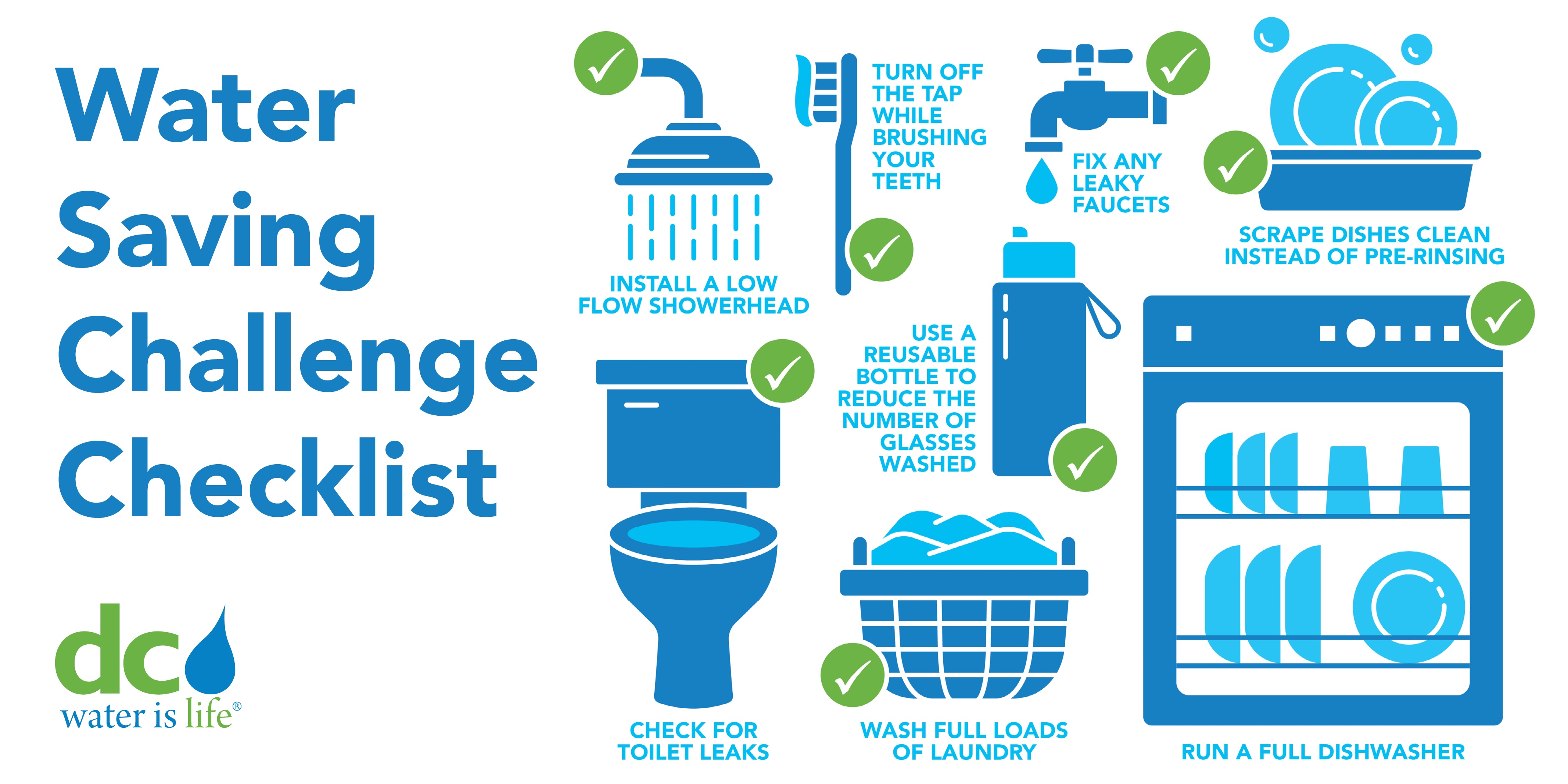
- Check for leaks in your plumbing, pipes and fixtures. A single dripping faucet can waste hundreds of gallons per year.
- Use watersense products in your home. Products with the watersense label are 20 percent more water efficient than average products in that category.
In the Bathroom
- The toilet is not a trash can. Don’t flush things that can be thrown in a wastebasket.
- Repair toilet leaks. Add food coloring to the toilet tank water, and check the bowl in 15 minutes without flushing. Color in the toilet bowl probably means there is a leak.
- Plug the sink drain and use only as much water as you need to wash or shave.
- Don't let water run when you brush your teeth.
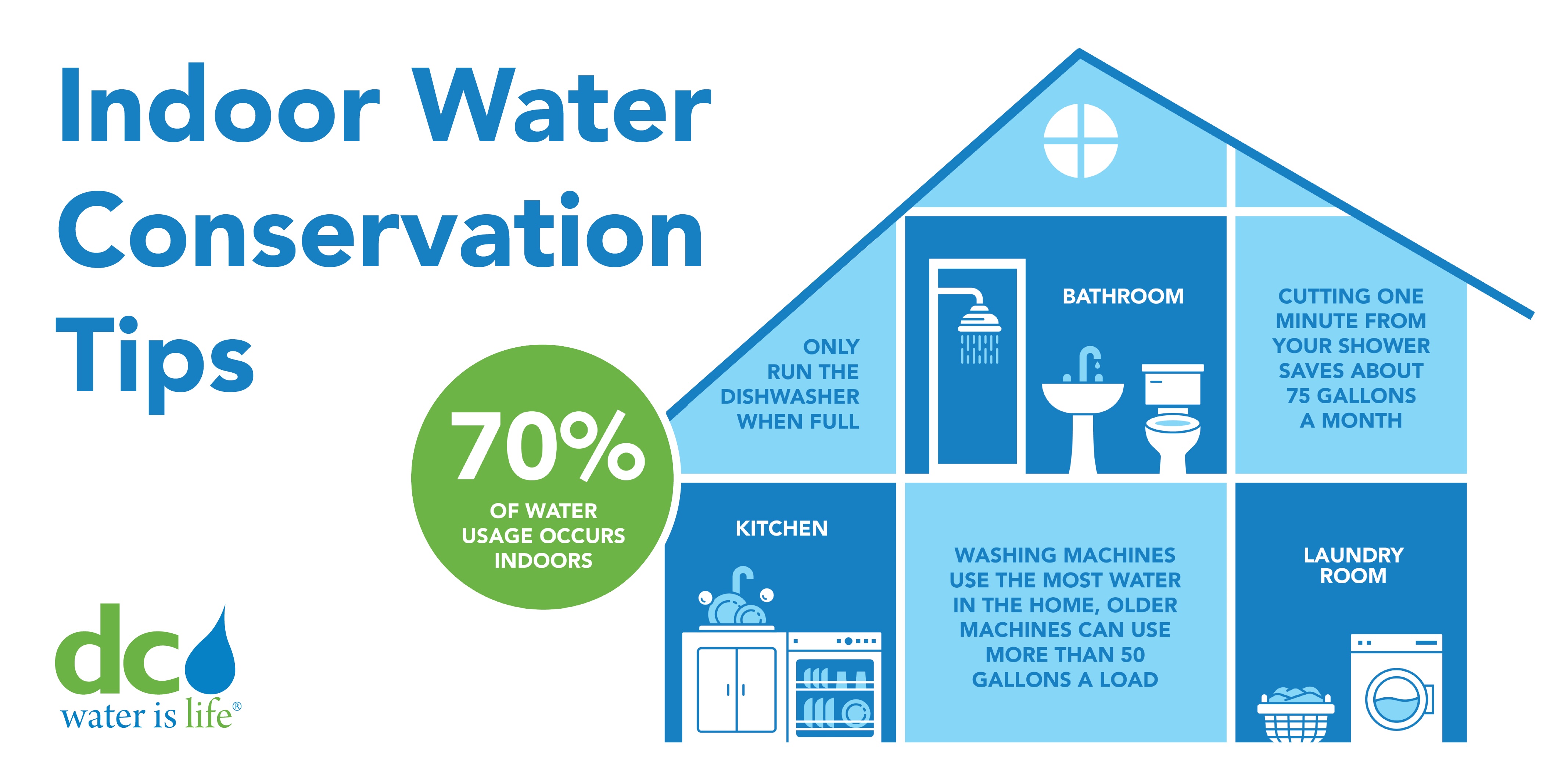
- Limit showers to five minutes or less.
- Plug the drain before you run water for baths and adjust the temperature as the tub fills.
In the kitchen
- Scrape dishes, but don't pre-rinse. Soak pots and pans before washing.
- When washing dishes by hand, don’t let the water run. Fill one basin with wash water and the other with rinse water.
- Use the garbage disposal sparingly. Instead, compost vegetable food waste.
- Only run the dishwasher when full.
- Designate one glass for your drinking water each day, or refill a water bottle to reduce the number of glasses washed per day.
In the laundry room
- Use the load selector. Match the water level to the load size, or do only full loads.
- Presoak heavily soiled items.
- Washing clothes in cold water saves water and energy, and helps your clothes keep their color.
Outdoors
- Reduce your water use outdoors by using the tips in our WaterWise Landscaping and Watering Guide.
- Water slowly and thoroughly when it's cool and not windy. Water as little as possible, only when the yard needs it.
- Keep your grass at a height of 1.5 to 2 inches. Taller grass shades roots and holds soil moisture better than short grass. Use mulch in the garden and around shrubs to save moisture.
- Plant native plants and shrubs. Native plants will require less water.
- Use an automatic sprinkler system with a timer, if possible.
- Use a broom instead of a hose to clean patios, sidewalks and driveways.
- Wash your car at a commercial car wash that recycles water. Or, wash your car on the lawn, and you’ll water your grass at the same time.
Track Your Daily Water Usage and Receive High Usage Alerts
Sometimes spikes in water usage can mean leaks or other plumbing problems need to be fixed, so being alerted early can help you keep your water bills low. DC Water customers can track their individual water usage by logging on to My DC Water. We can also alert you when your water usage is higher than normal, using our High Usage Notification Alert (HUNA) System.