Cleaner Waterways Start With Everyday Choices
Plastic Free July starts with one small change.
Refill, don't toss. Bring a reusable bag. Bring your own coffee cup. Skip single-use utensils. Dispose of trash properly. Cleaner habits. Cleaner rivers.
Those individual actions may seem small, but they add up.
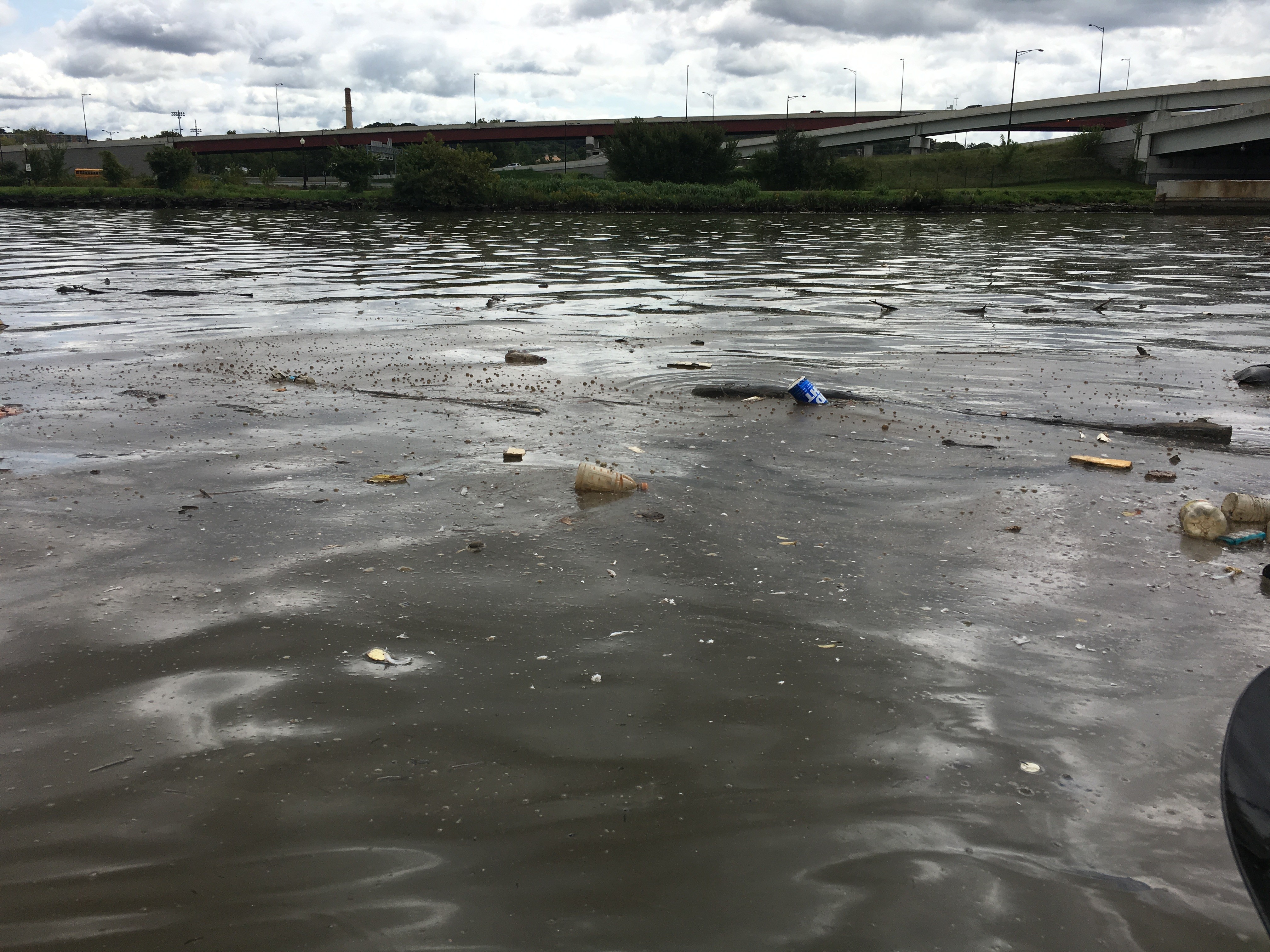
Every bottle recycled, reusable bag carried, and piece of litter properly disposed of helps reduce the amount of plastic that can end up in our waterways. Plastic pollution often reaches rivers through storm drains, which carry rainwater and anything it collects from streets and sidewalks. Even products marketed as "flushable," such as some wet wipes, contain synthetic materials, including plastics, that can create problems in our sewer system.
While personal choices make a difference, protecting our waterways also requires investments in infrastructure working behind the scenes.
The Potomac River Tunnel is one of those investments. The tunnel is designed to capture and convey excess wastewater during heavy rainstorms to the Blue Plains Advanced Wastewater Treatment Plant for treatment, helping prevent combined sewer overflows from reaching the Potomac River.
The impact of DC Water's Clean Rivers Project is already being felt. Since 2008, the program has prevented more than 21.68 billion gallons of combined sewage and stormwater and more than 12,800 tons of trash and debris from entering the Anacostia River. When completed, the Potomac River Tunnel is expected to reduce overflows to the Potomac River by approximately 93% and prevent an estimated 654 million gallons of polluted water from reaching the river each year.
Protecting the Potomac River doesn't happen through one solution alone. It takes everyday environmental stewardship, innovative engineering, and long-term investments in critical infrastructure. While residents help keep plastic and litter out of our waterways through daily choices, projects like the Potomac River Tunnel will capture waste before it reaches the river. Together, these efforts are helping create cleaner waterways for future generations.