Pennyfield Lock - Montgomery County, MD Potomac Interceptor Rehabilitation
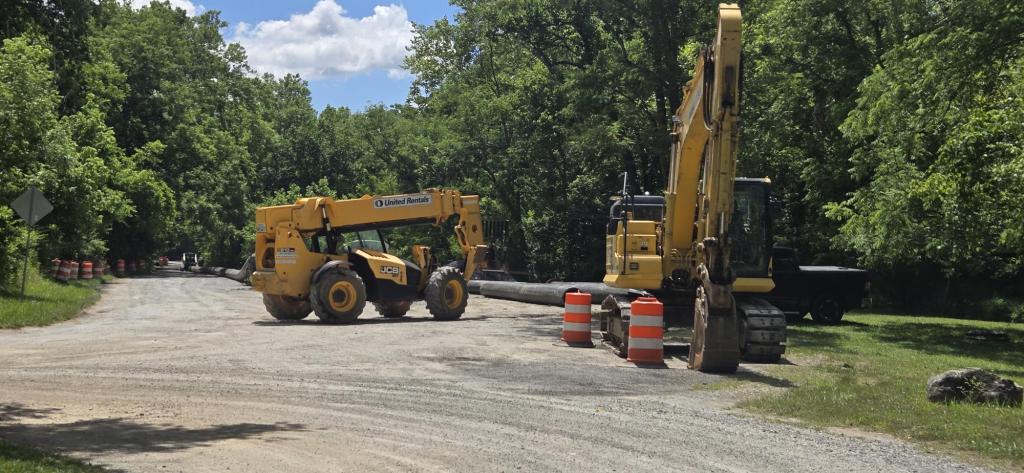
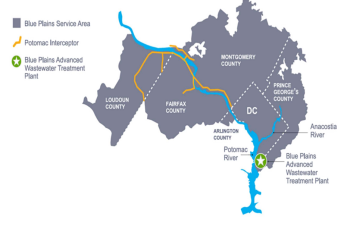
DC Water is rehabilitating a section of the Potomac Interceptor near Pennyfield Lock (Lock 22) in Potomac, Maryland. This important sewer pipeline carries wastewater from parts of Virginia, Maryland, and the District to DC Water’s Blue Plains Advanced Wastewater Treatment Facility.
Recent inspections found areas of the pipe that need urgent repair, including worn concrete, corrosion, and exposed steel reinforcement. DC Water is moving quickly to strengthen the pipe, reduce the risk of a larger problem, and help protect public health, local waterways, and the region’s drinking water sources. There is no current emergency, overflow, or impact to drinking water.
On Friday, July 9, DC Water completed construction and successfully tested a temporary bypass system. With the bypass now ready, it will allow us to begin the emergency repairs inside the pipe by carrying the wastewater around the repair area.
Frequently Asked Questions
Your Questions Answered - Read our FAQs about the Project
Project Updates
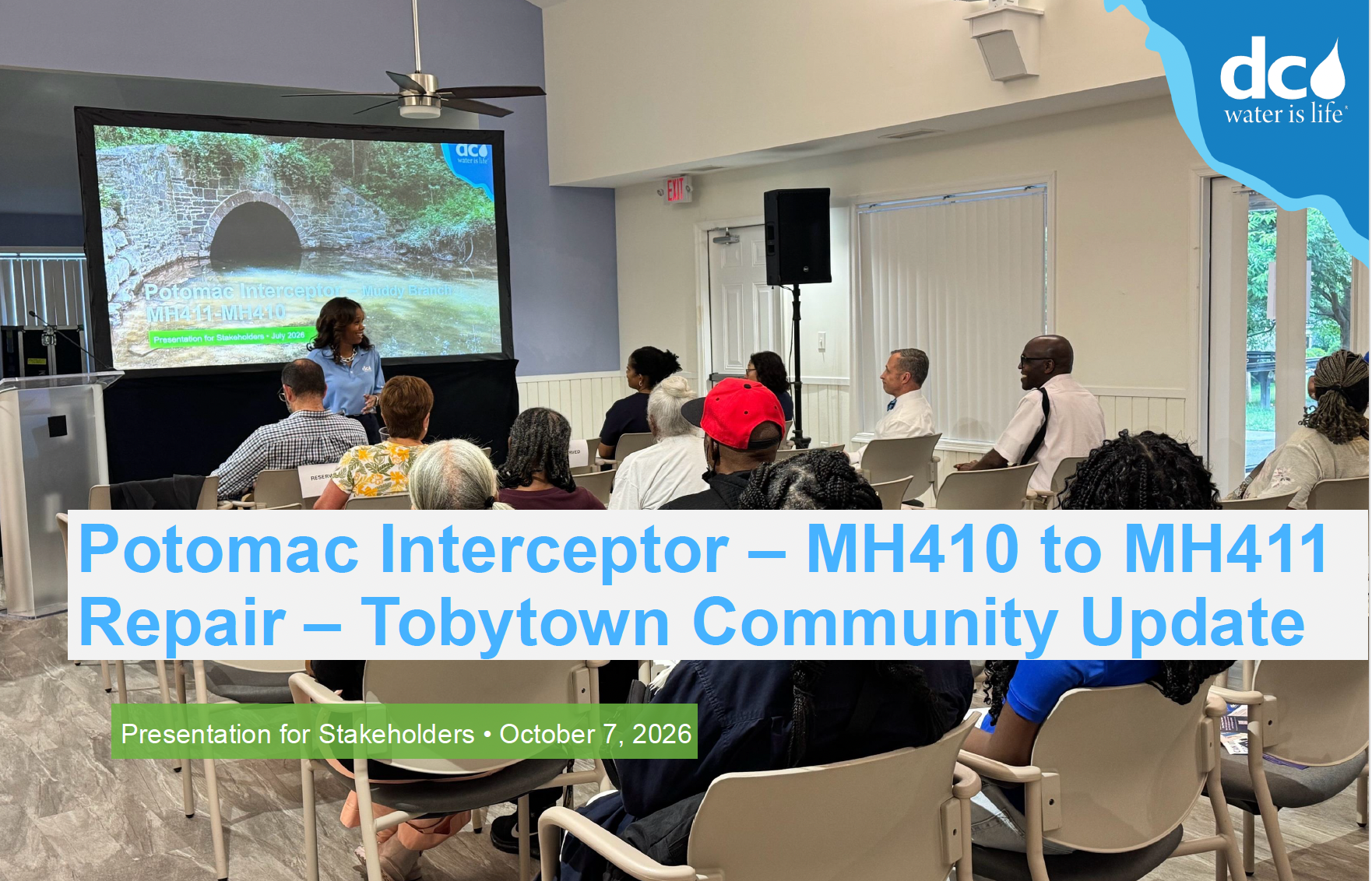
On Wednesday, October 7, DC Water met with the Tobytown community to provide an update on the emergency repairs at Pennyfield Lock. During the meeting, an updated timeline was provided on the work which is now expected to be completed in December, and restoration of the area in January pending weather or any additional construction challenges. Click on presentation to view:
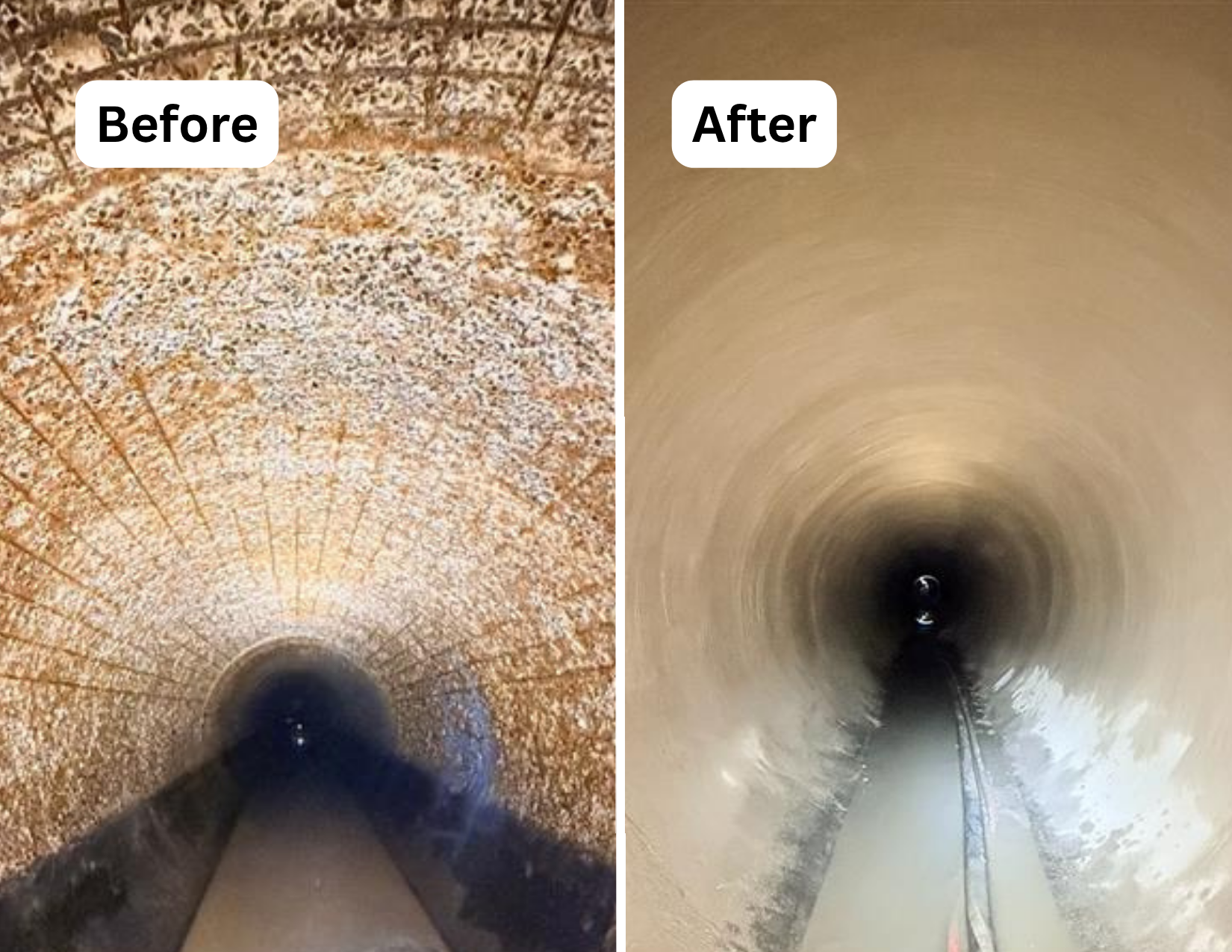
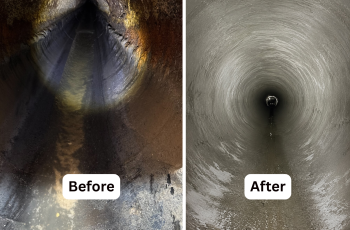
On Monday, July 27, DC Water completed the first major step in emergency repairs to the Potomac Interceptor at Pennyfield Lock. Crews added a new, stronger lining inside a 175-foot section of the pipe that is encased in concrete. This section was prioritized for repair because inspections found significant damage inside the pipe. Crews applied geopolymer, a concrete-like material, inside the sewer line. With the new lining complete, crews are preparing for the next phase of work for the remainder of the pipe segment.
That work involves installing a new pipe inside the existing one. Crews are preparing two access points where the new pipe sections will be put into place. The process, called slip lining, is expected to begin in late August. See below to learn more.
July 27, 2026 - News Release
DC Water Completes First Major Step in Potomac Interceptor Sewer Line Repairs at Pennyfield Lock
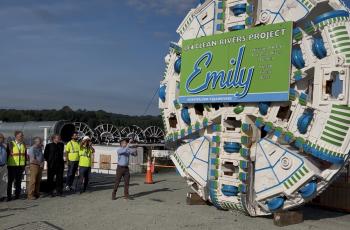
Crews also reach a major milestone near Dulles International Airport as the next phase of repairs begins this week
July 9, 2026 - News Release
DC Water Completes Bypass for Emergency Sewer Repairs At Pennyfield Lock
July 2, 2026 - News Release
DC Water to Continue Daily Potomac River Testing Through July 31 as Potomac Interceptor Repairs Continue
June 9, 2026 - News Release
Emergency Work to Rehabilitate Section of Potomac Interceptor to Begin in Potomac, MD
Community Meetings
June 11 Virtual Meeting on Emergency Repairs near Pennyfield Lock
DC Water held a virtual community meeting on Thursday, June 11, to inform residents and other stakeholders about the emergency rehabilitation of a section of the Potomac Interceptor near Pennyfield Lock (Lock 22) in Potomac, Maryland.
Please click on the link below to see the presentation from the meeting.
June 11 Community Meeting Presentation
Following the January 19, 2026, failure along the Clara Barton Parkway in Cabin John, Maryland, DC Water expanded its inspection program across the entire 54-mile Potomac Interceptor system. Along with standard video inspections, DC Water used LiDAR to measure wall thickness and sonar to identify debris or blockages.
Why this work matters
Like roads, bridges, and water mains, sewer pipes need repairs as they age. This section of the Potomac Interceptor carries about six million gallons of wastewater on a typical dry day and is located upstream of important drinking water intakes along the Potomac River. Repairing it now helps reduce the chance of a failure that could affect the river, nearby communities, and public water supplies.
Project Details
🛠️ Work: Emergency rehabilitation of a major sewer pipeline to strengthen the existing pipe and extend its useful life
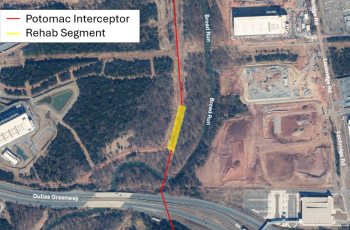
📍 Location: Muddy Branch near Pennyfield Lock (Lock 22) in Potomac, Maryland
📅 Timeline: June 2026 through Early 2027
📏 Project length: Approximately 1,700 linear feet of pipe will be rehabilitated
⭕ Pipe size: 60 inches in diameter
⏰ Work hours: 7 a.m. to 5 p.m.
🚧 Park and Trail impacts: Temporary trail closures may be necessary and signage posted. Space in parking lots at Pennyfield Lock may be limited due to staging for equipment and supplies.
What customers and stakeholders can expect
Crews will set up the work area, clear brush where needed, build temporary access, and install a temporary bypass pumping system and pipeline. The bypass system will carry wastewater around the section being repaired allowing crews to safely repair the pipe. This helps DC Water complete the work without interrupting sewer service.
Because the work is near the C&O Canal National Historical Park and the Pennyfield Lock Conservation Area, residents, trail users, and visitors may notice construction vehicles, equipment, and temporary staging.
How the pipe will be repaired
DC Water will use repair methods that strengthen the pipe from the inside. Crews will first apply a strong cement-like lining to the most critical section of the pipe. This lining helps seal worn areas and adds protection while the new pipe materials are being prepared.
Crews will also use a method called slip lining. This means new pipe sections are placed inside the existing pipe to create a stronger pipe within the old one. To do this, crews will dig two work areas, called push pits, where the new pipe sections can be inserted. These methods allow DC Water to repair the pipeline while reducing the need to dig up the full length of the pipe.
About the Potomac Interceptor
The Potomac Interceptor is a 54-mile sewer pipeline that carries about 60 million gallons of wastewater each day. It collects wastewater from parts of Fairfax County, Loudoun County, the Town of Vienna, Herndon, Dulles International Airport, and Montgomery County, Maryland and carries it to Blue Plains, where it is treated and the water is returned safely to the environment.
For more information
Click here for the project fact sheet
Project email: potomac.interceptor@dcwater.com
Project website: dcwater.com/potomacinterceptor
DC Water 24-hour Emergency: 202-612-3400