Work To Return Flow to Potomac Interceptor by Mid-March on Target
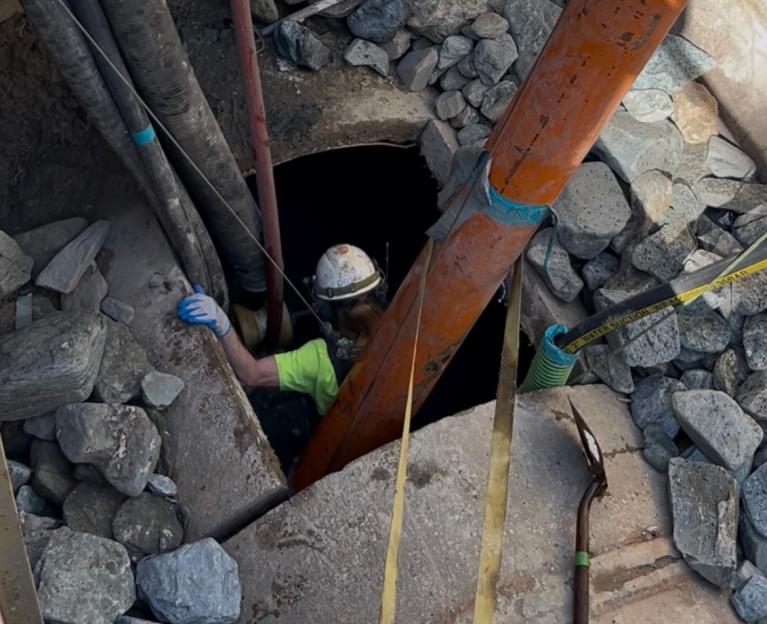
- Work is progressing to meet the mid-March target to return the flow to the Potomac Interceptor, as we reach 31 days with no overflows reaching the Potomac River.
- The geopolymer applied to the upstream and downstream sections of the pipe has cured to reinforce the pipe and ensure structural integrity. This completes the repair on the pipe, which is now ready for the flow to return.
- Additional work is necessary to seal the excavation sites. Crews are working around the clock to apply geopolymer to the trench boxes surrounding the open pipe sections, which will provide a waterproof seal to create an open flow channel once the flow returns.
- Using the open trenches where the crown of the pipe has been removed is more efficient for the next phase of rehabilitation work. The existing pipe openings will be used to insert new pipe sections – called slip lining - as part of the previously planned rehabilitation of the interceptor. The work is being accelerated on more than 2700 linear feet of the interceptor including this section and when complete will restore the pipe to like-new condition.
- The bypass pumping operation continues to divert flow around the collapse site and back into the Potomac Interceptor and will be carefully deactivated as the full flow returns to the pipe.
- A CCTV camera inspection is expected to be performed late Wednesday to confirm the pipe’s readiness to return the wastewater flow.
- Environmental rehabilitation work continues in Area 1, the area adjacent to the collapse site and drainage channel. DC Water and its contractor are working in the west section, with the Environmental Protection Agency working on the east section.
- The US Army Corp of Engineers is assisting DC Water with rehabilitation work in Area 2, around the Rock Run Culvert and stream.
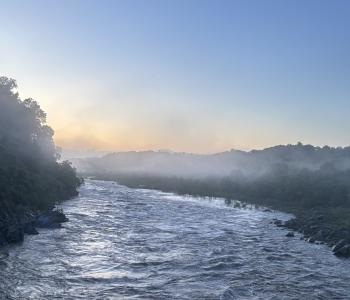
- Work on Area 3, along the Potomac River and shoreline, has not yet begun and needs the river flow to lower for the area to be assessed.
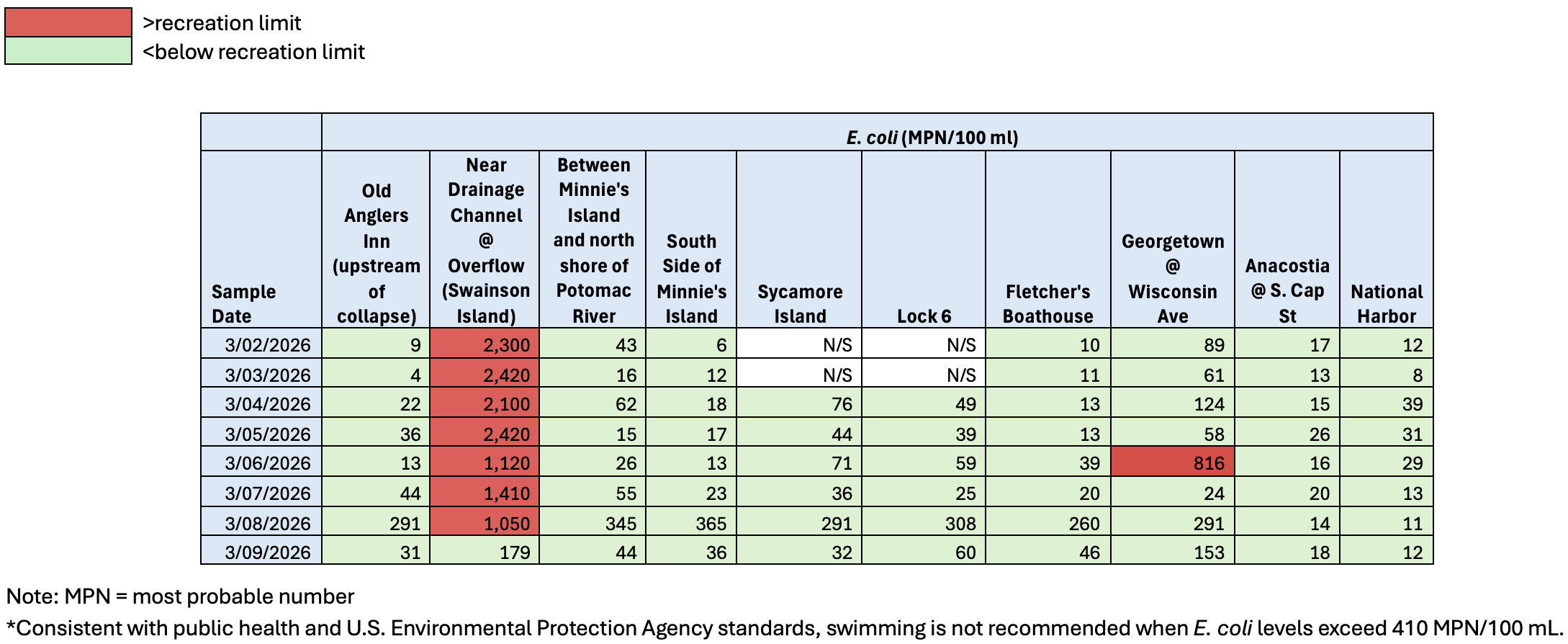
Water Quality Sampling Results
Fluctuations in water quality are influenced by factors such as rain, heat, or other weather events, river flow, runoff, pollutants, releases of combined overflows, and other sources discharging into waterways. Given these variables, measurements taken much further downstream cannot be attributed solely to this incident.
For the Potomac River, historical water quality data shows E. coli levels may vary from a range as low as 10 MPN/100mL to as much as 5,000 MPN/100mL on a given day. A more detailed explanation is posted on the District Department of Energy and Environment (DOEE) website at doee.dc.gov/release/potomac-interceptor-update-and-faqs.
As of March 4, two new sampling locations have been added at Sycamore Island and Lock 6. Sample results from March 2 - present. Past results may be found here.
For more information, including the latest news and updates, and to provide feedback on the Environmental Rehabilitation Plan go to our dedicated page for the Potomac Interceptor Repairs.