UPDATE: Emergency Repair Work Set to Begin on Potomac Interceptor
Potomac Interceptor Repair Update
March 3, 2026
- Repair efforts continue as we reach 23 days in which no overflows have entered the Potomac River. The last release to reach the river occurred on February 8.
- Crews finished pressure washing the pipe upstream of the damaged section of the Potomac Interceptor in advance of the geopolymer application.
- Preparations are underway to mobilize equipment and materials to begin spraying the geopolymer lining in the upstream portion of the pipe. The geopolymer which is similar in strength to concrete will reinforce and strengthen the pipe.
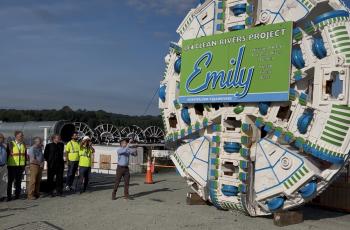
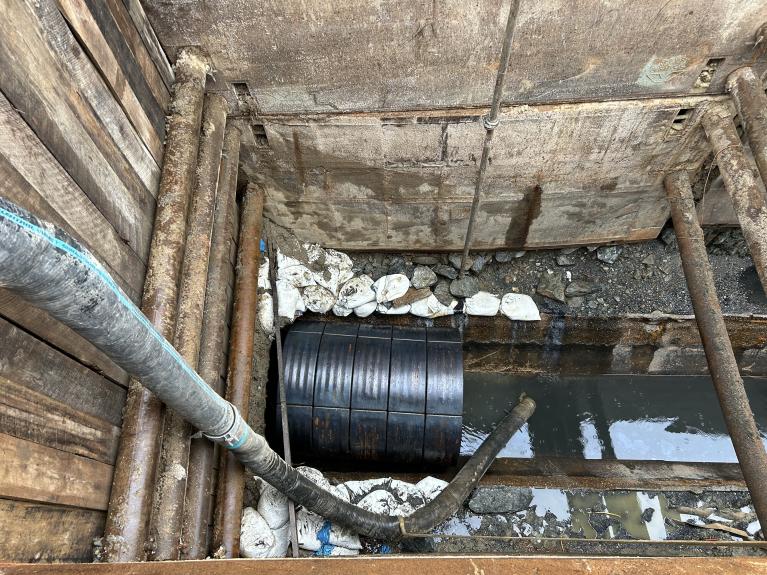
- A protective steel encasement is being placed inside the pipe, providing a protective barrier for crews to work as they apply the geopolymer and move through the upstream section of pipe. (see photo above)
- Cleaning and debris removal continues in the pipe downstream of the collapse site. Once the geopolymer is applied upstream, work will move to the downstream section to complete the emergency repair.
- Environmental restoration work is underway; however, work cannot be done when there is measurable rain and precipitation due to the risk of further contamination.
- DC Water is adding two new water quality sampling locations, bringing the total to 10. The new locations include Sycamore Island and the feeder channel near Lock 6 with a kayak slalom course frequently used for training. Sampling is expected to begin later this week.
- Emergency repairs remain on schedule to be completed by mid-March, at which time the full flow and functionality will be restored to the Potomac Interceptor and the bypass pumping operation using the C & O Canal will be deactivated.
Water Quality Sampling Results
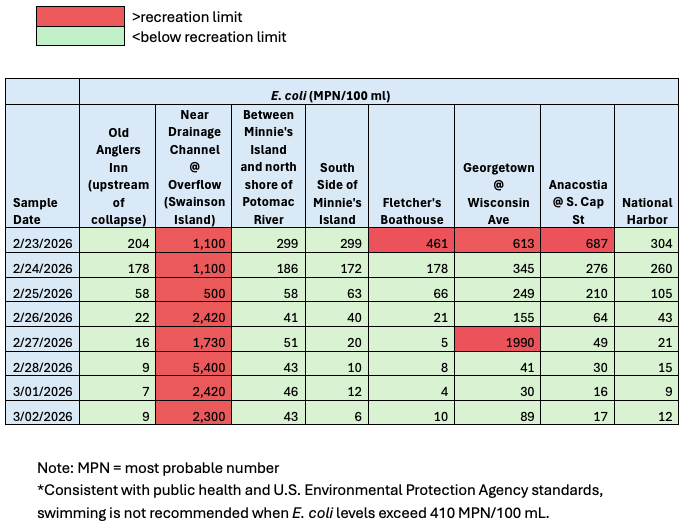
Fluctuations in water quality are influenced by factors such as weather events, river flow, runoff, pollutants, releases of combined overflows, and other sources discharging into waterways. Given these variables, measurements taken much further downstream cannot be attributed solely to this incident.
For the Potomac River, historical water quality data shows E. coli levels may vary from a range as low as 10 MPN/100mL to as much as 5,000 MPN/100mL on a given day. A more detailed explanation is posted on the District Department of Energy and Environment (DOEE) website at doee.dc.gov/release/potomac-interceptor-update-and-faqs.
Sample results from February 23 - present. Past results may be found here.
For more on the ongoing Potomac Interceptor Repair efforts, including the latest news and updates, water quality sampling, and additional information go to dcwater.com/potomac-interceptor-collapse.