DC Water Releases Condition Assessment on Potomac Interceptor Collapse
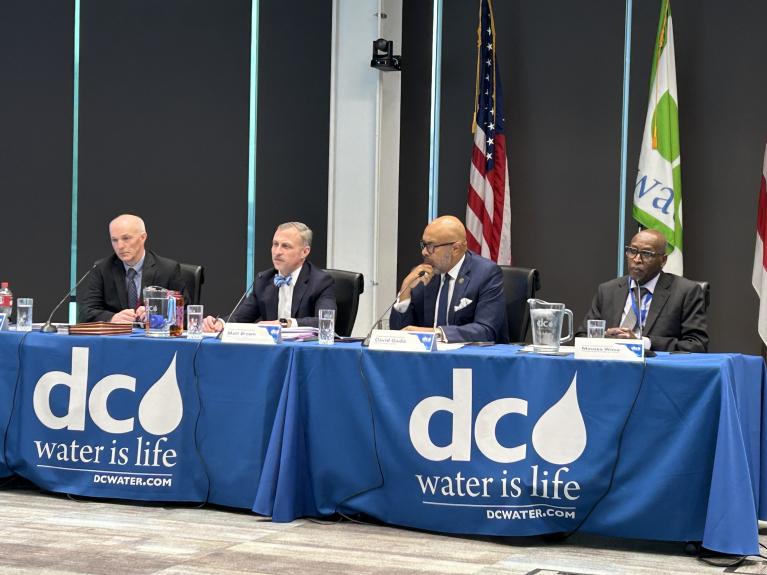
DC Water today is releasing a comprehensive assessment detailing the condition of the Potomac Interceptor and our emergency response to the January 19 sanitary sewer line failure. This report provides clarity for customers, stakeholders, and community members about the steps taken and findings from the incident, including prior inspections of the pipe’s condition.
After the collapse, DC Water’s leadership and engineering teams reviewed inspection reports, structural ratings, engineering assessments, and video documentation for the affected section. Over seven years, four internal inspections using industry-standard grading found exposed aggregate and surface reinforcement but did not indicate imminent structural failure.
“We are focused on responding with urgency and sharing information openly as we continue to investigate this unusual event. Our commitment to transparency, accountability, and the health of the Potomac River guides every step,” said DC Water CEO and General Manager David L. Gadis. “We have made tremendous progress on the emergency repair and are doing everything possible to complete repairs swiftly and safely, including necessary environmental rehabilitation.”
Despite typical wear for aging infrastructure, all evidence—including video reviews and structural assessments—showed no immediate risk or need for emergency action before this incident.
"This was an unprecedented event,” said Gadis. “After evaluating our inspection reports and ratings we do not believe there was any reason to change the timing for our planned rehabilitation, which was to start this summer.”
We regret the disruption and understand community concerns. Our teams are focused on environmental rehabilitation to protect the Potomac River and nearby communities. We are working with the US Army Corps of Engineers, Environmental Protection Agency, National Park Service, and Maryland Department of the Environment on cleanup, including removing contaminated soil and debris and revegetating impacted areas.
Emergency repairs are advancing on the damaged pipe section, and we have made significant progress this week. Crews are nearly finished reinforcing the upstream section with geopolymer lining, which will restore the pipe’s structural integrity. Work will then move to the downstream portion of the pipe.
DC Water will continue to keep customers, partners, and the community informed as work progresses. Thank you for your patience and trust as we restore this essential infrastructure and safeguard public health and the environment.
You can view the full report, including inspection videos and images, here. The report is also posted on our dedicated page for the Potomac Interceptor Repair at dcwater.com.
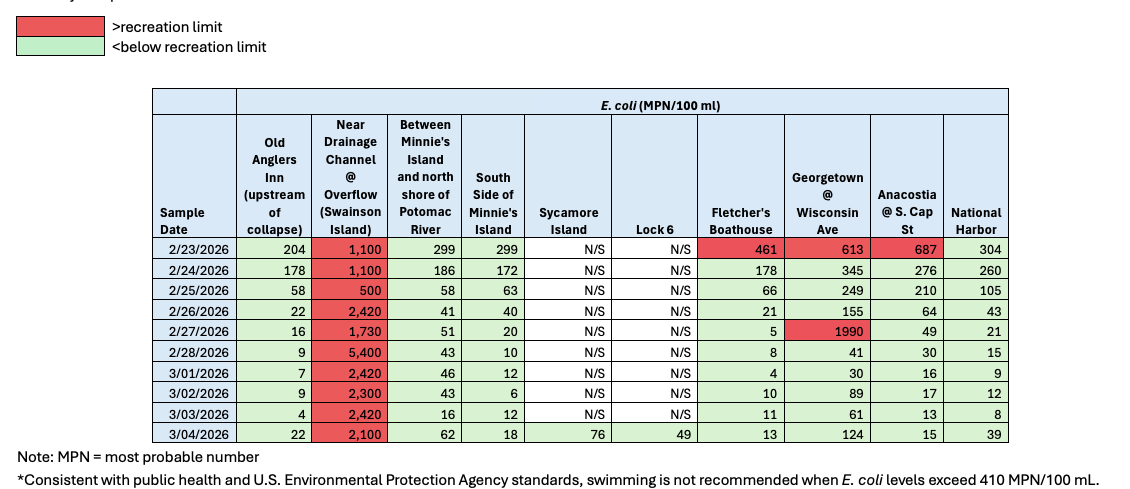
Water Quality Sampling Results
Fluctuations in water quality are influenced by factors such as weather events, river flow, runoff, pollutants, releases of combined overflows, and other sources discharging into waterways. Given these variables, measurements taken much further downstream cannot be attributed solely to this incident.
For the Potomac River, historical water quality data shows E. coli levels may vary from a range as low as 10 MPN/100mL to as much as 5,000 MPN/100mL on a given day. A more detailed explanation is posted on the District Department of Energy and Environment (DOEE) website at doee.dc.gov/release/potomac-interceptor-update-and-faqs.
As of March 4, two new sampling locations have been added at Sycamore Island and Lock 6. Sample results from February 23 - present. Past results may be found here.