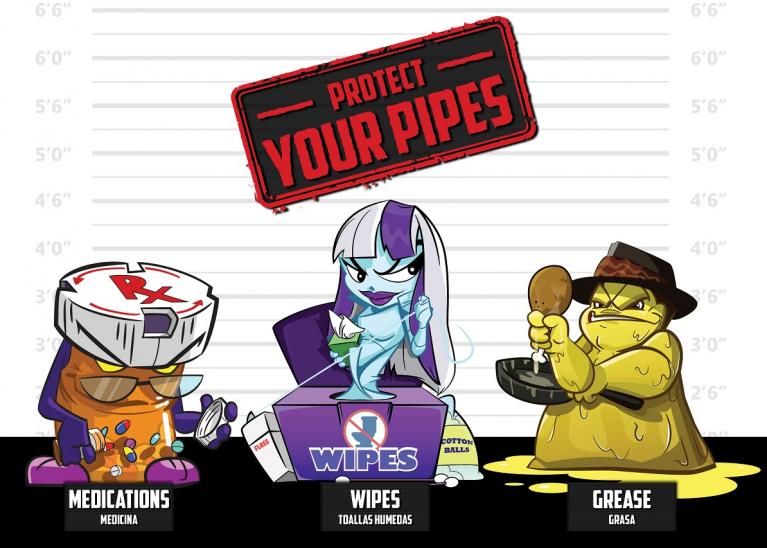
All kinds of things can end up in DC Water’s sanitary sewer lines. The FROG program is designed to educate the public to help protect the DC Waters sanitary sewer system from items that should never be put down the drain or flushed. Help commercial customers, such as restaurants, comply with DC municipal regulations and construction plumbing codes. Damage to our Sanitary Sewer System can have profound consequences for the city’s environment and economy.
FOG causes Sanitary Sewer Overflows (SSOs).
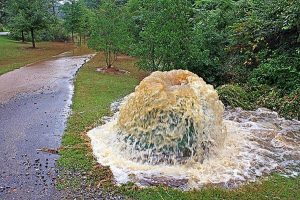 Washington, D.C. has 1,800 miles of sewer lines. Fats, oils, and grease (FOG) are harmful to sewers. If sewage escapes, it can flood homes, streets, yards, and national landmarks. It can also pollute creeks and rivers, harming fish and frogs. Sewage overflows are dangerous to health and the environment. They can cause costly cleanups for homeowners, spread diseases, and increase sewer bills due to higher maintenance costs
What is FROG?
FROG at DC Water has two parts:
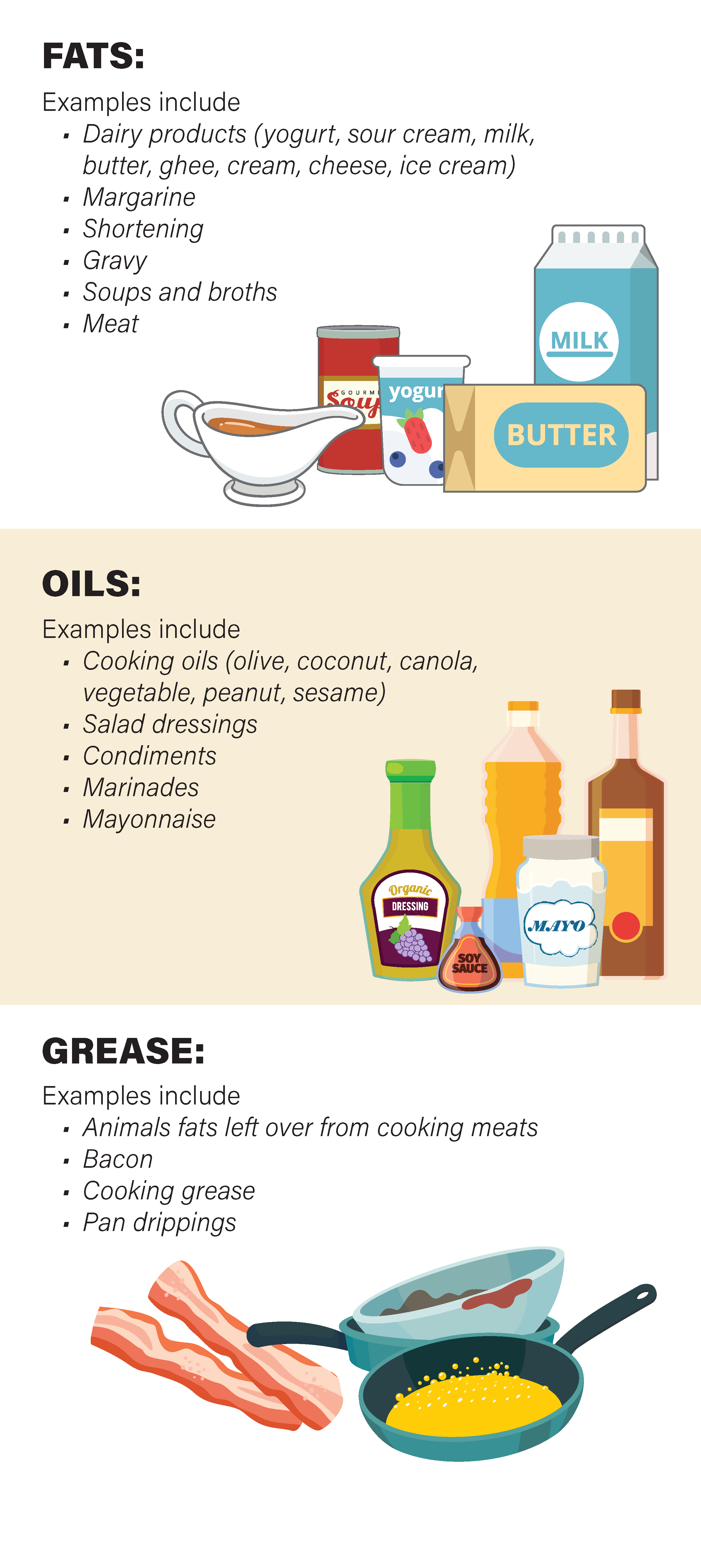
The first part is Fats, Oil, and Grease (FOG). Fats, oils, grease, or FOG come from animal fats or vegetable oils. The most common grease found in FOG is a byproduct of cooking or preparing food.
The Second part is any other substances that is harmful or damaging to DC Water's sanitary sewer system. Things like Rags, disposable wipes, medication, feminine products, Paints and other chemicals in great amounts, garbage, cat litter, cleaning materials, and diapers,
The R in FROG
Rags and wipes are a big problem in any Sanitary Sewer System, especially when they mix with FOG. When nonbiodegradable products are flushed down drains, they can impede sewage flow and cause the sewer system to back up into homes and businesses. These are some items that should never be put down drains.
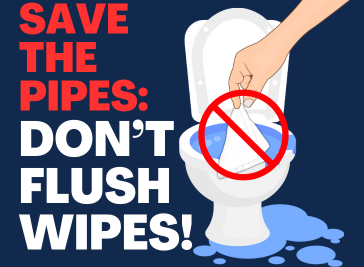
- Paper Towel
- Disposable Non-Flushable Wipes
- Baby wipes
- Cleaning wipes or Disinfect wipes
What Happens
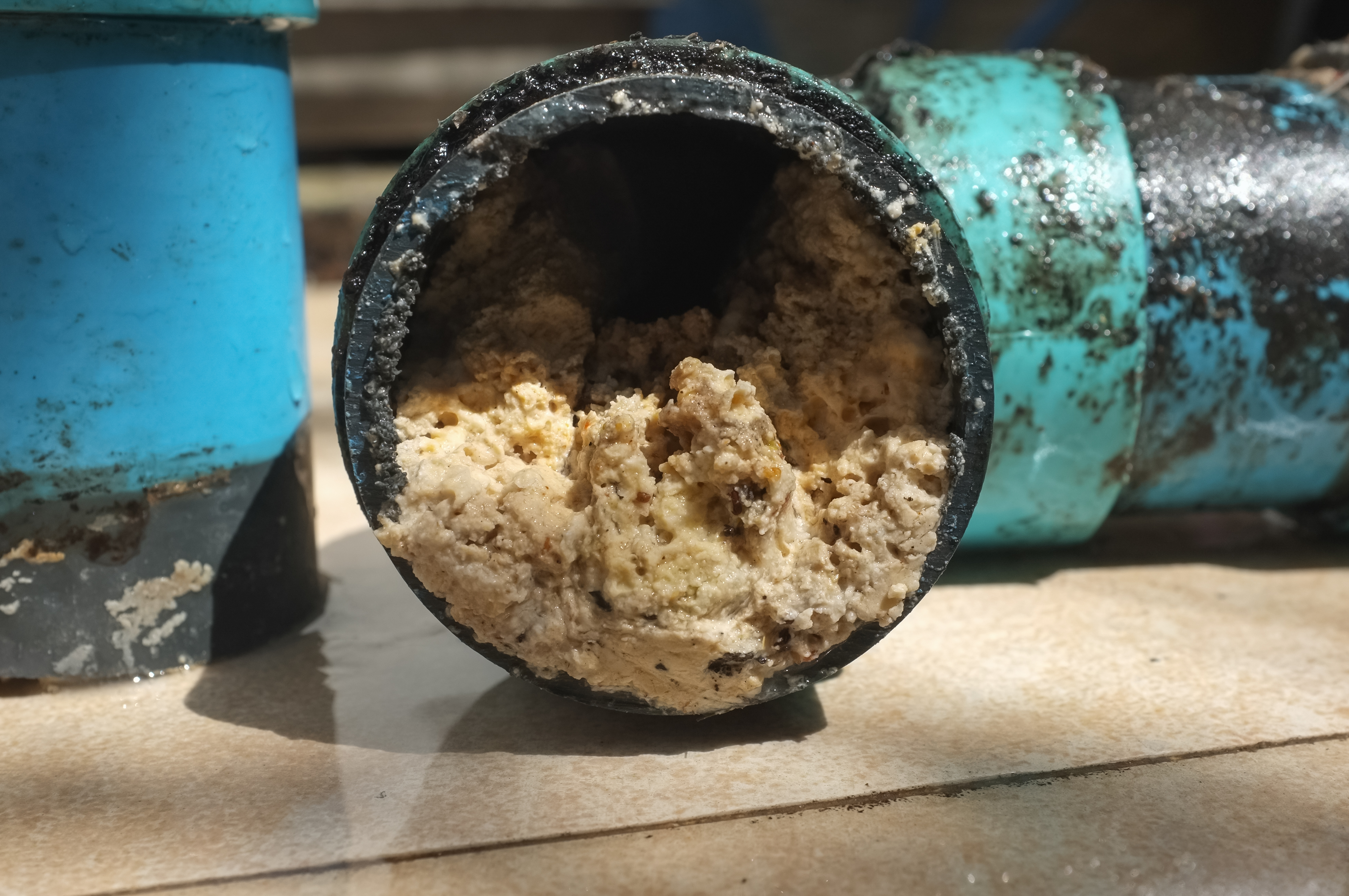 FOG (fats, oils, and grease) often enters the plumbing system through kitchen sinks, usually warm from cooking or hot water. As it cools, it sticks to the pipe walls and hardens. Over time, FOG accumulates, eventually clogging the pipes and causing serious plumbing issues for customers and DC Water. FOG accumulation causes sanitary sewer overflows. For more details on the science behind FOG, check out this link.
Our Mandate
 The EPA’s National Pretreatment Program requires nondomestic users that discharge pollutants to Publicly Owned Treatment Works (POTWs) to meet pretreatment standards that support the goals of the Clean Water Act. The program also mandates that POTWs protect their infrastructure and fulfill management responsibilities. According to the EPA’s Report to Congress on CSOs and SSOs, grease from restaurants, homes, and industry is the leading cause of sewer blockages (47%). Under 40 CFR 403, the EPA authorizes water utilities to regulate dischargers and safeguard the sanitary sewer system from harmful pollutants. Because Fats, Oils, and Grease (FOG) interfere with wastewater treatment, they are subject to this regulatory authority.
For more information or to schedule an inspection, email us at fog@dcwater.com
Protect Your City
Don’t let FOG shut us down.
Stay compliant. Stay clean. Partner with DC Water.