One Repair, Millions of Gallons Saved
What started as an investigation into an unexplained flow of water ended with a repair that could prevent more than 2.6 million gallons of water loss annually, highlighting the value of collaboration and proactive infrastructure management.
Beneath Washington, DC’s streets, an extensive network of infrastructure works around the clock to deliver safe drinking water and manage wastewater. While these systems serve different purposes, a recent discovery demonstrated how collaboration across them can lead to significant water savings.
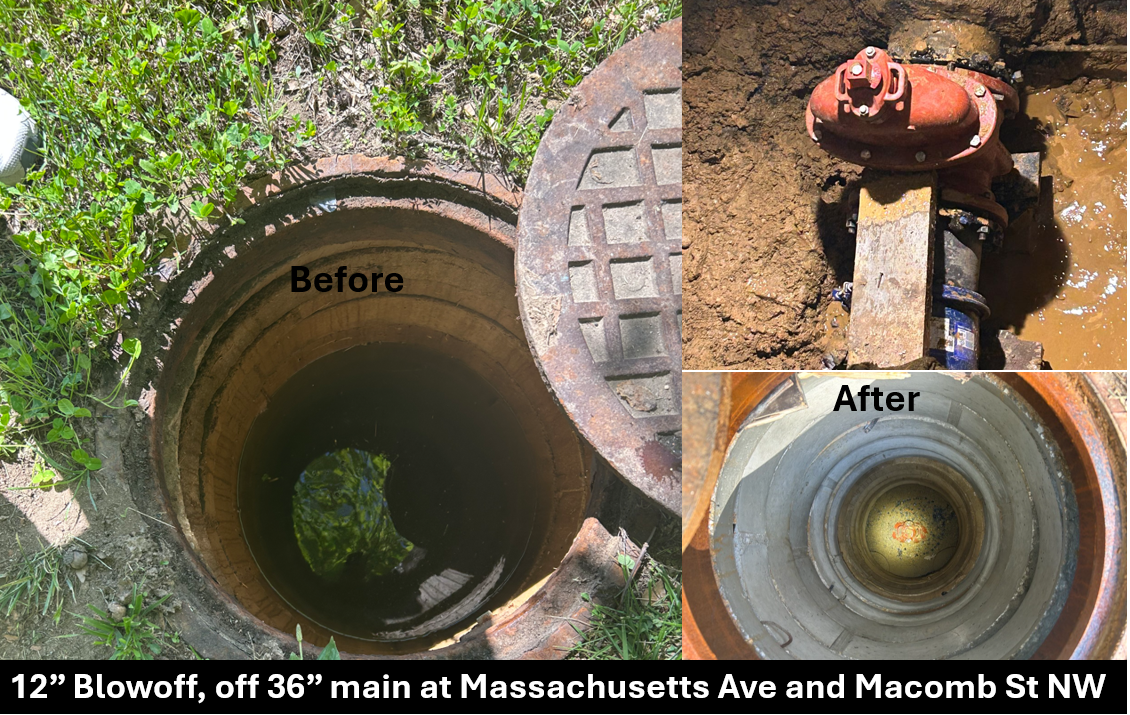
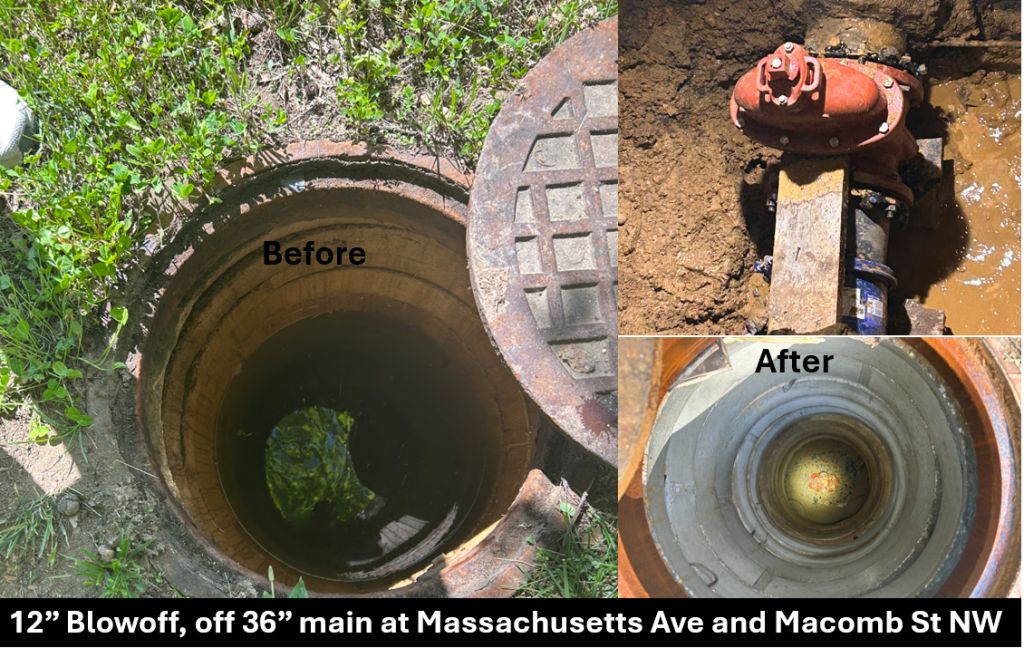
Near Massachusetts Avenue and Macomb Street NW, DC Water’s sewer operations team noticed water flowing into a manhole from an unknown source.
Through a coordinated investigation, teams uncovered a hidden leak from a nearby water line allowing more than five gallons of treated drinking water per minute to escape. The source was identified and repaired, reinforcing DC Water’s broader commitment to conserving resources, reducing non-revenue water loss, and strengthening infrastructure reliability.
Connecting the Dots Beneath DC’s Streets
Not every water leak is visible. Some remain hidden underground, quietly wasting treated drinking water without obvious signs of a problem.
After detecting the unexplained water entering the manhole and DC Water’s wastewater system, employees from Water Operations, Sewer Operations, and Engineering joined forces to investigate its source.
Using data analysis, sewer inspections, field assessments, and leak detection techniques, the teams traced the flow to a 12-inch blowoff valve connected to a 36-inch water main near the sewer line and manhole.
Once the source was confirmed, Water Operations completed the repair, stopping the previously unaccounted-for water loss.
The investigation demonstrated the importance of looking beyond individual systems to identify infrastructure issues that might otherwise go undetected.
Small Leak, Significant Impact
Five gallons per minute might not sound like much, but continuous water loss adds up quickly.
At that rate, the avoided water loss totals:
- More than 7,200 gallons per day
- More than 50,400 gallons per week
- More than 216,000 gallons per month
- More than 2.6 million gallons per year
Because the measured flow exceeded five gallons per minute, the potential savings are even greater.
Beyond conserving treated drinking water, the repair delivers real financial savings for the Authority. This was water DC Water had paid for that never reached a customer. Because it flowed into the wastewater system, it also had to be conveyed and treated, adding cost for water no one had used. Stopping the leak eliminates these excess costs and unnecessary water loss, helping reduce operational demands and improve system efficiency.
A Broader Commitment to Proactive Infrastructure Management
While this repair represents a significant success, it is part of DC Water’s larger effort to proactively assess, maintain, and improve its infrastructure.
Through an expanded asset management initiative, DC Water is working to comprehensively assess approximately 47,000 valves and 9,500 hydrants across its system.
These assessments will help identify maintenance and repair needs, improve operational readiness, and support long-term infrastructure planning.
Combined with ongoing collaboration among water, sewer, and engineering teams to identify active leaks, these efforts aim to address potential issues before they become larger challenges, reduce non-revenue water, and strengthen system reliability.
Collaboration Makes the Difference
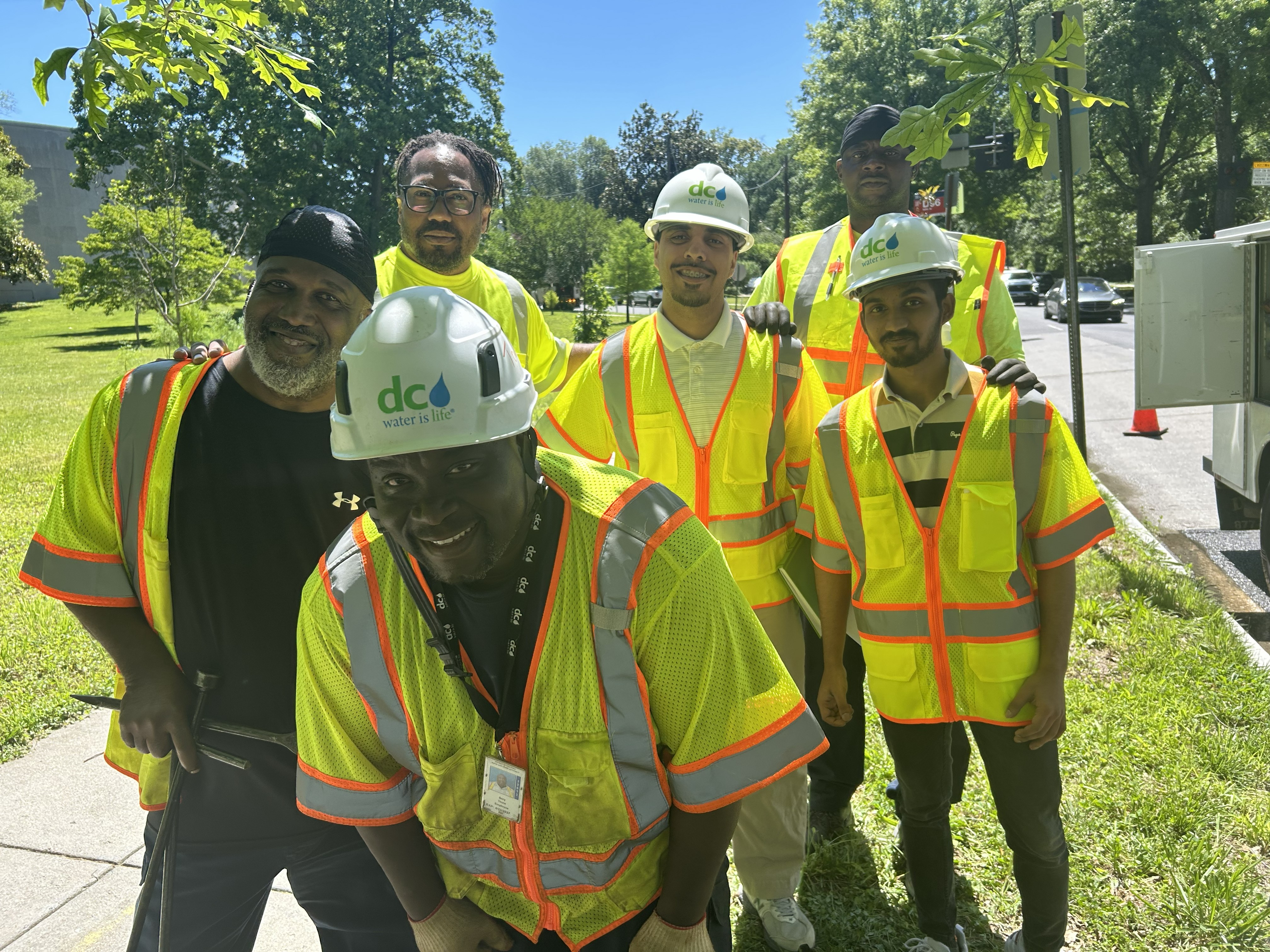
Behind this repair was a multidisciplinary effort involving sewer operations specialists, water distribution experts, engineering professionals, inspection crews, and system assessment teams.
Each contributed expertise, from analyzing data and investigating the unexplained flow to locating the leak and coordinating repairs. Summer interns also supported the effort through data evaluation, documentation, and analysis.
By connecting observations across water and wastewater systems, the teams transformed an unexplained problem into a successful repair with the potential to save millions of gallons annually.
As utilities nationwide face aging infrastructure, rising costs, and growing demands on resources, this effort demonstrates why proactive asset management and cross-departmental collaboration matter.
For DC Water, responsible water stewardship means more than repairing individual leaks. It means understanding infrastructure conditions, anticipating challenges, and investing in the long-term reliability and resilience of the systems serving our communities.
One repair may save millions of gallons, but a comprehensive approach to infrastructure management can deliver lasting benefits for the entire system.