EMERGENCY WATER OUTAGE
Jul 16, 2026 | 07:30 PM

EMERGENCY WATER OUTAGE
Jul 16, 2026 | 10:30 AM

Galvanized Plumbing FAQs

The only way to fully ensure that lead is not mobilized from galvanized plumbing in a home is to fully replace the galvanized plumbing.  

If you have or had lead service lines and have galvanized pipes, it is likely lead is only periodically released in the water and a single lead test may not be an effective tool in identifying actual lead levels. However, you can have your water tested for lead for free by calling our Water Quality Division at 202-612-3440 or emailing leadtest@dcwater.com.


Please see the detailed minimizing your exposure to lead section of our website or download or How to Minimize Lead Exposure Brochure.

Galvanized iron pipes are actually steel pipes that are covered with a protective layer of zinc that were installed in many homes that were built before the 1960s.


Homes that have galvanized pipes and have, or had, lead service lines are at risk for the release of lead in water from corroded pipes. Galvanized iron pipes can accumulate lead that is released from lead service lines. As galvanized pipes corrode and form rust, lead that is accumulated over decades is likely to be found deep in the interior walls of rusty pipes. Lead in galvanized iron home plumbing can periodically contribute to lead in drinking water.

The only way to ensure that lead is not mobilized from plumbing to tap in a given home is to fully replace the galvanized plumbing and lead service lines. Galvanized pipes may continue to serve as a lead source in drinking water long after all other sources of lead have been removed, including lead service lines and fixtures.

Our Guide to Household Plumbing can help you to identify galvanized pipes. You can also contact a licensed plumber for assistance.

Upcoming Meeting

Board of Directors Meeting

April 24, 2023

Monday 9:00 AM

Announcement

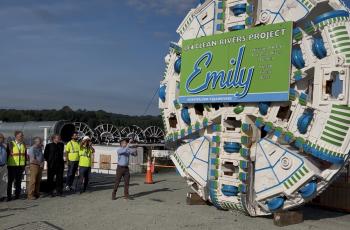
DC Water Officials with NPS and ANC commissioners doing ceremonial groundbreaking
DC Water Breaks Ground on Piney Branch Tunnel, Final Phase of DC Clean Rivers Project

Today, DC Water broke ground on the Piney Branch Tunnel, the final major tunnel in our Clean Rivers Project. This work will help keep sewage and trash out of local waterways and make Rock Creek, the Potomac River, and the Chesapeake Bay cleaner for our community.

When we finish the Piney Branch Tunnel, it will hold at least 4.2 million gallons of rainwater and wastewater during heavy storms. Instead of overflowing into Piney Branch, that water will go to the Blue Plains Water Resource Recovery Facility, where it will be treated.

Latest Blog Post
Five photos from the American Water Works Association (AWWA) ACE26 conference featuring panel discussions, technical presentations, networking, and attendees posing at the ACE26 display.
ACE26 Highlights: How DC Water Advanced the Conversation on Water
More than 80 DC Water employees joined thousands of water professionals in Washington, D.C., sharing expertise, building partnerships and advancing conversations that will help shape the future of water.
Upcoming Meeting
Date
July 17, 2026
Friday, 2:00 PM

Upcoming Events

Jul 23
Jul 25

Customer Service Center Announcement

Payment Plan Incentive: provides a credit back of 50% of the last 3 payments made. Eligible participants are residential customers who have had an outstanding balance for 60 days or greater and with an outstanding balance of $500 or more.