Update: Work Underway to Drain Remaining Wastewater from Damaged Sewer Line to Begin Excavation and Repair
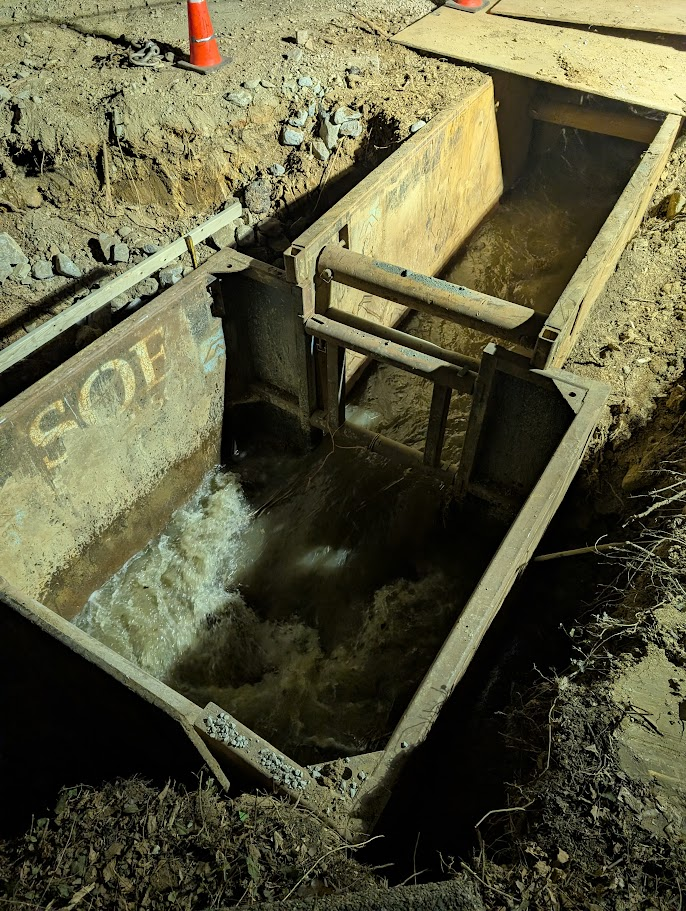
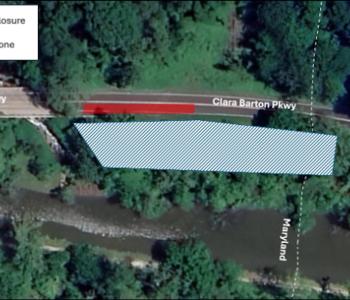
DC Water is nearing full containment on a sanitary sewer overflow, nearly a week after a section of the Potomac Interceptor – a major sewer line – collapsed along Clara Barton Parkway and the C & O Canal National Historical Park in Montgomery County, MD. In the first full day of operation since a temporary bypass system was activated, the flow of wastewater downstream where it re-enters the sewer line has increased by about 40 million gallons per day.
This indicates significant progress towards containment. Some of the wastewater continues to escape around the break site, which is expected. The damaged pipe section sits at a lower elevation than the pumps and still contains residual wastewater that requires time to drain. Additional pumps are being brought in to accelerate removing the remaining wastewater and achieve full containment. Once conditions allow, crews will then be able to isolate the damaged section, expose the pipe, and begin repairs.
The bypass system began operating early yesterday evening, when six large pumps were turned on to convey wastewater into a controlled section of the C&O Canal, routing it around the break and back into the sewer system further downstream. Overnight monitoring confirmed the pumps are operating as intended with increased flow successfully returning to DC Water’s Blue Plains Advanced Wastewater Treatment Plant.
Now that the bypass is operating, and site conditions stabilized, DC Water crews will begin focusing on next steps: excavation, inspection, and development of a long‑term repair plan. This work involves assessing the extents of the damage, including inside the affected pipe, mobilizing equipment, stabilizing surrounding ground conditions, installing shoring supports, and removing debris from the collapse that is currently blocking the line.
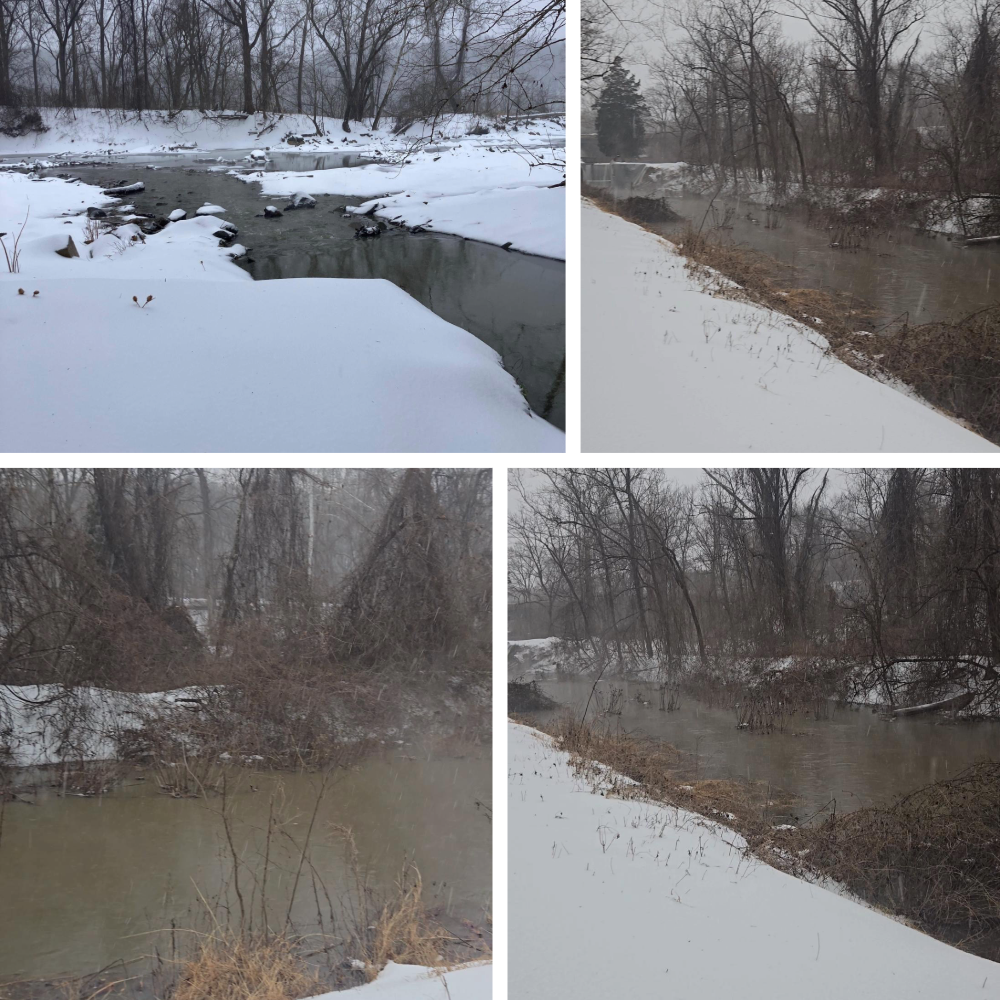
The failure occurred on January 19, 2026, in a large, 72-inch diameter section of the Potomac Interceptor. The break caused wastewater to spill into a creek bed leading to the Potomac River. In the days that followed, crews worked around the clock to build the temporary bypass system—clearing access, installing pipes, coordinating with the National Park Service to adjust canal structures, and setting up the pumps needed to redirect the flow.
Drinking water remains completely safe and unaffected. The drinking water and wastewater systems are separate, and the incident occurred downstream of the Washington Aqueduct intakes for drinking water.
After the overflow is fully contained and the pipe repaired, work will begin to assess the areas where the overflow occurred. This will be done in conjunction with the National Park Service, Maryland Department of the Environment, and other partner agencies to survey factors such as erosion, debris removal, cleaning, and assessing the need for remediation.
DC Water reminds the public to avoid any posted areas along the canal or river. If someone accidentally comes into contact with wastewater, they should immediately wash with soap and clean water, disinfect any items that were splashed or exposed, avoid consuming food or drinks that may have been contaminated, and seek medical attention if they feel sick.
Anyone with questions or in need of support may contact DC Water’s Customer Care team at (202) 354-3600 (Monday–Friday, 8 a.m. to 5 p.m.) DC Water’s 24‑Hour Command Center at (202) 612‑3400.