UPDATE: Sewer Overflow Significantly Reduced from Collapsed Sewer Line, Weather Challenges Remain for Full Containment
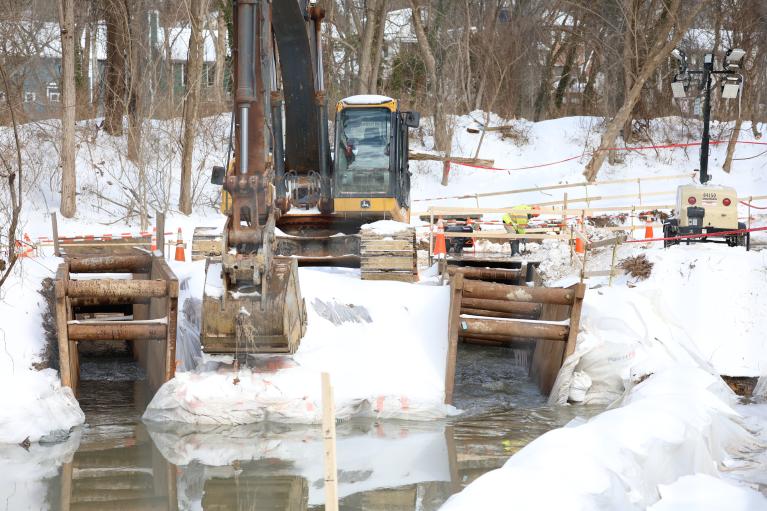
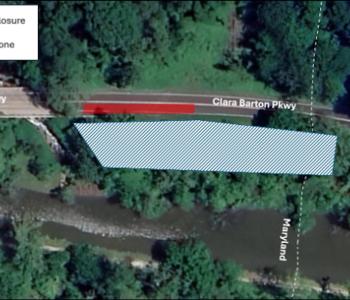
DC Water teams and contractors are working around the clock to operate a bypass system that diverts wastewater away from a damaged section of the Potomac Interceptor. This major sewer line overflowed along the Clara Barton Parkway and C & O National Historical Park one week ago. Industrial pumps have been running since late Saturday, but heavy snow and extreme cold continue to create challenges for the equipment and operations.
Crews are maintaining the bypass system day and night to keep the pumps and equipment operating, even as temperatures remain well below freezing. The pumps require frequent cleaning and maintenance because fats, oils, grease, wipes, and other debris in the wastewater have caused blockages. When blockages occur, pumps must be temporarily taken offline for service, which reduces system capacity until the issue is resolved.
Additional pumps have arrived and are being installed to add redundancy and increase overall pumping capacity. This added capacity will help further reduce the wastewater levels and support progress towards achieving full containment.
As a precaution, residents in Fairfax, Loudoun, and Montgomery counties served by the interceptor are encouraged to avoid flushing wipes or disposing of grease down drains, which helps support ongoing emergency operations.
As a reminder, there is no impact to the drinking water supply from this overflow. The Washington Aqueduct’s main intakes for drinking water are upstream from the break.
The bypass system, installed with cooperation from the National Park Service, uses a contained section of the C & O Canal running about 2,700 feet to carry wastewater around the damaged section of pipe and back into the Potomac Interceptor further downstream. Monitoring shows the system is successfully working, with flow rates increasing by about 40 million gallons a day after re-entering the sewer system and directed to DC Water’s Blue Plains Advanced Wastewater Treatment Plant.
TIMELINE
- Monday, January 19: Sewer overflow reported, Potomac Interceptor, Clara Barton Pkwy/I-495, Montgomery County
- Tuesday, January 20: Investigation, assessment, bypass plan developed
- Wednesday, January 21: Bypass piping install, canal debris/vegetation cleared
- Thursday, January 22: Upper lock gates removed from Locks 11, 12 and 13, pump installation begins
- Friday, January 23: Pump installation completed, downstream pipe reinforcement underway
- Saturday, January 24: Downstream reinforcement completed, bypass activated, most overflow contained
- Sunday, January 25: Bypass monitored, flow in downstream portions of the interceptor increases ~ 40 million gallons a day, some overflow remains
- Monday, January 26: Additional pumps arrive, installing underway, some overflow continues
The public is advised to follow all warning signs and avoid areas with raw sewage which poses health risks. Anyone who comes in contact with wastewater should wash exposed skin immediately, disinfect shoes or other items, and seek medical attention in the event of illness.
Since the collapse was discovered DC Water has been working closely with federal, state and local partners, including the U.S. Environmental Protection Agency (EPA), National Park Service, U.S. Coast Guard, Washington Aqueduct, District Department of Energy and Environment (DOEE), DC Homeland Security and Emergency Management Agency, Maryland Department of the Environment, and the Montgomery County, Fairfax County and Loudoun County governments. Together, we are coordinating efforts to contain the overflow, monitor and assess environmental impacts, and keep the public informed.
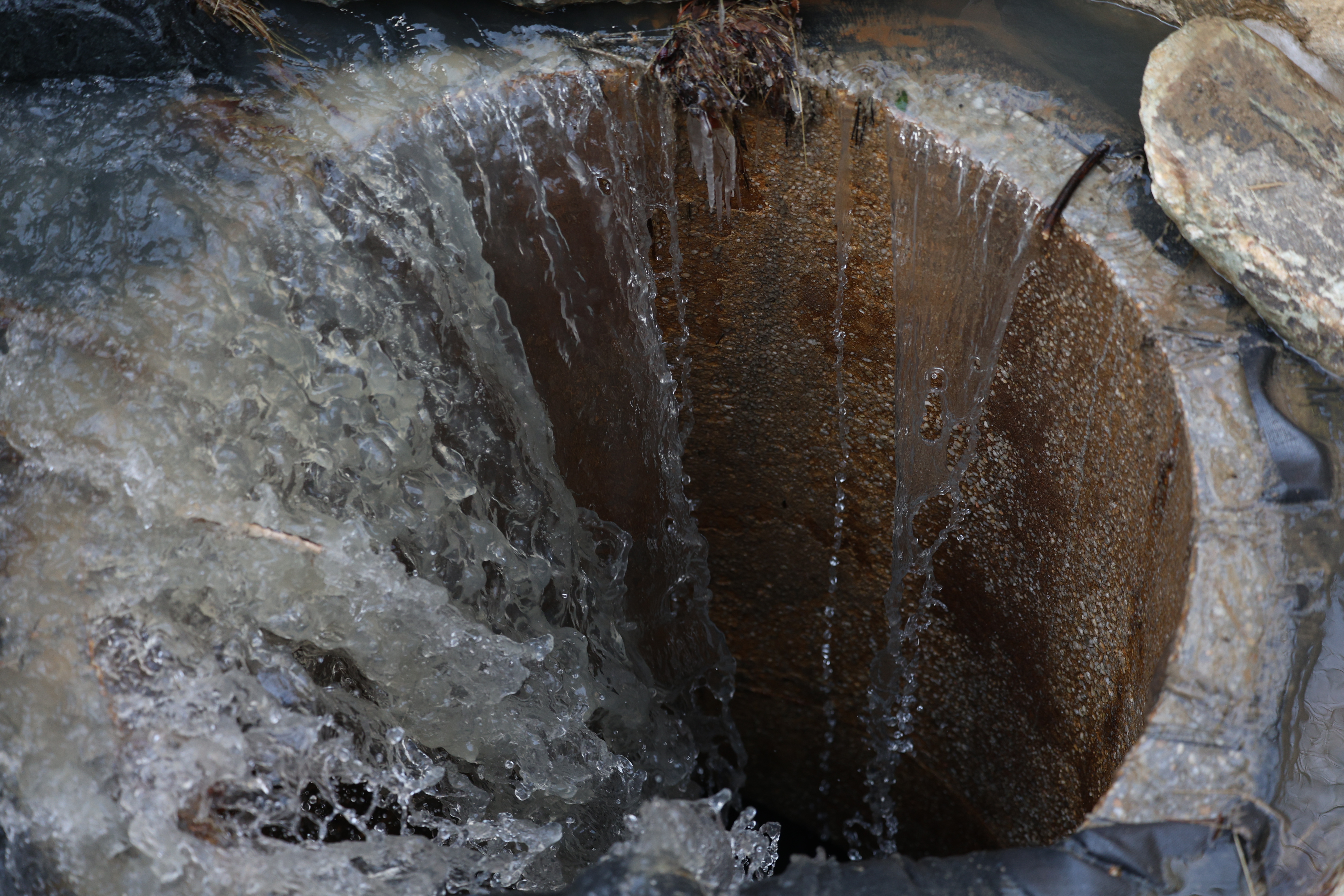
Impacts to water quality are not unexpected given the volume of overflows that resulted from the unanticipated collapse of a 72-inch diameter section of the Potomac Interceptor sewer line in C&O Canal National Historic Park. Containing the overflows and repairing the damaged pipe are the most effective ways to mitigate these impacts.
DC Water has allocated $625 million in its Capital Improvement Program for projects to rehabilitate the Potomac Interceptor over the next 10 years.
If you have any questions or need additional information contact DC Water’s Customer Care team at (202) 354-3600 (Monday–Friday, 8 a.m. to 5 p.m.) or the 24-Hour Command Center at (202) 612-3400.