read our blog
join our community meeting
connect with us
This is a wide open window into DC Water. We invite you to read our blog, join us for a community meeting or connect with us on social media. The goal is transparency and constructive two-way communication with our customers.

Simple Ways to Stay Prepared at Home
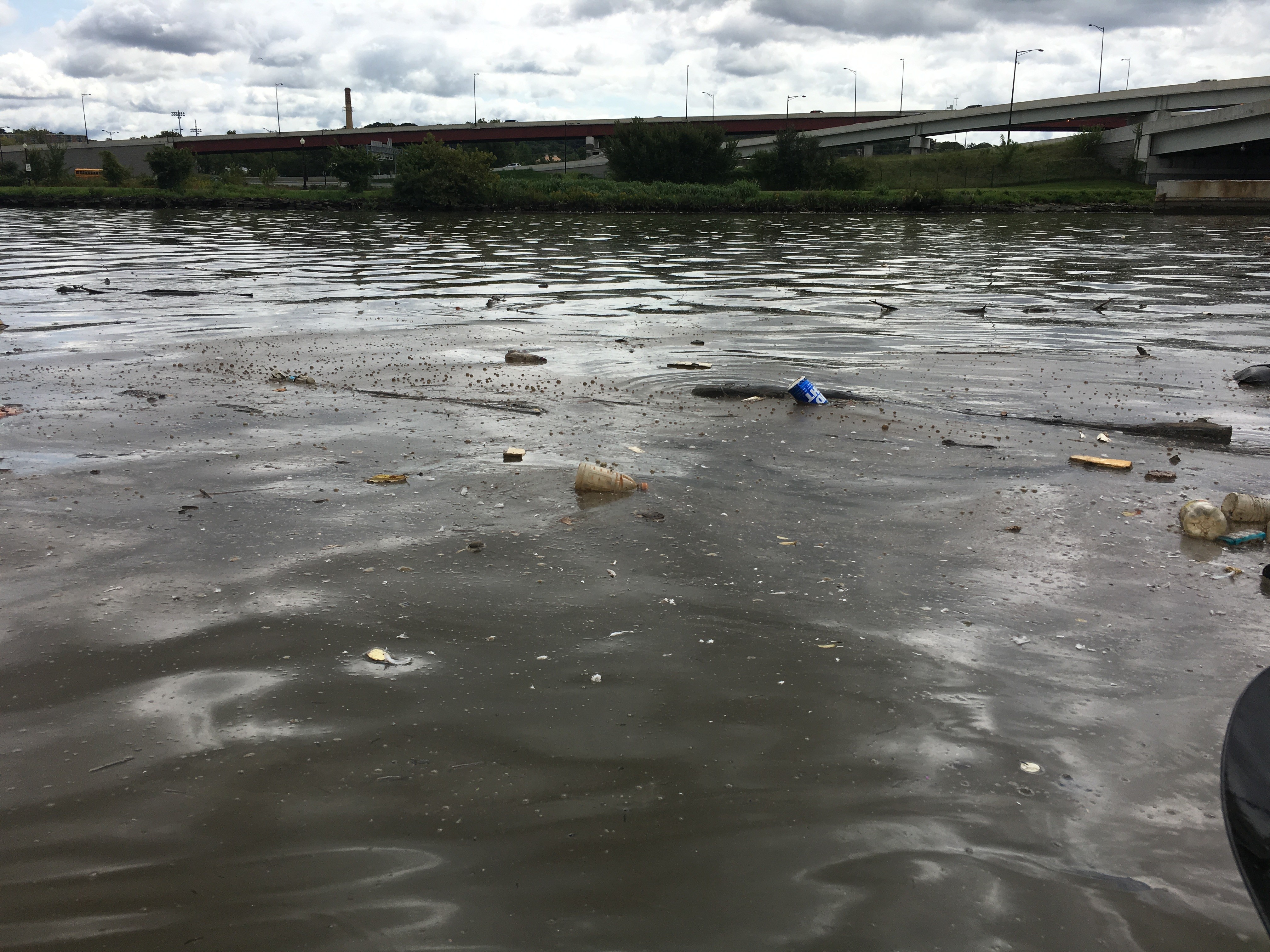
Cleaner Waterways Start With Everyday Choices
Latest From 'X (Formerly Twitter)'
Soggy day, we are still replacing old service lines! Out with the lead, in with the copper. Keep up with…https://t.co/MIvjtzQzfV
Latest News
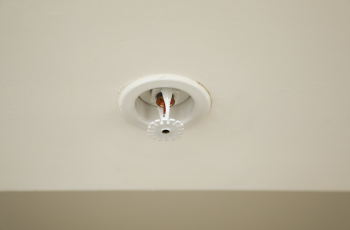
DC Water and DC Fire and EMS Launch Fire Sprinkler Safety Campaign During Fire Prevention Month
DC Property Owners Encouraged to Check Fire Sprinkler Systems
Just as you routinely check your smoke alarms to make sure they work in an emergency; you should also routinely check your fire sprinkler system. During Fire Prevention Month, DC Water and DC Fire and EMS are encouraging District property owners and managers to report whether they have a fire sprinkler system and if so whether it's working properly.
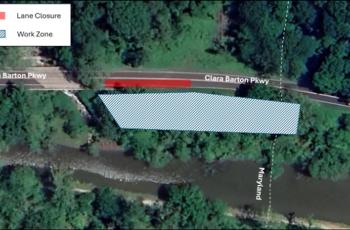
TRAFFIC ADVISORY: Delays Expected on Clara Barton Parkway for Sewer Project at Maryland-DC Border, Oct 22-23
Drivers should expect delays on Clara Barton Parkway at the Maryland – DC border on October 22 and 23, from 10 a.m. to 2 p.m. During this time, one lane will be closed to allow DC Water to safely ...
TRAFFIC ADVISORY: Lane Closures for Valve Replacement on Key Bridge
DC Water will replace a defective valve on a 30-inch water main on the outbound side of the Key Bridge tonight, Friday, October 9, 2026.

Additional Testing Further Confirms the Potomac River Has Returned to Normal
Expanded testing by DC Water found that the Potomac River is healthy and that there is no evidence of lasting harm to the river from January's collapse of the Potomac Interceptor sewer line.