DC Water prepares for heavy rains with potential flooding and power outages
—Tips for customers to protect their homes—
Remnants of the deadly storm Ida are charging into the region tonight. DC Water has been gearing up to address any issues brought on by heavy rains or power outages.
"Every operational area is taking precautions and we are increasing staffing across the board," said David L. Gadis, DC Water's CEO and General Manager. "This is a powerful storm, and we are implementing all the protections we can. However, if heavy rains come in a very short duration, we are likely to see flooding."
Drinking Water
The District’s drinking water treatment facilities operated by the U.S. Army Corps of Engineers Washington Aqueduct are built to withstand the impact of a devastating storm. Loss of electricity at an individual home or multi-unit building does not have an impact on the delivery of drinking water.
Flooding and Sewer Back-ups
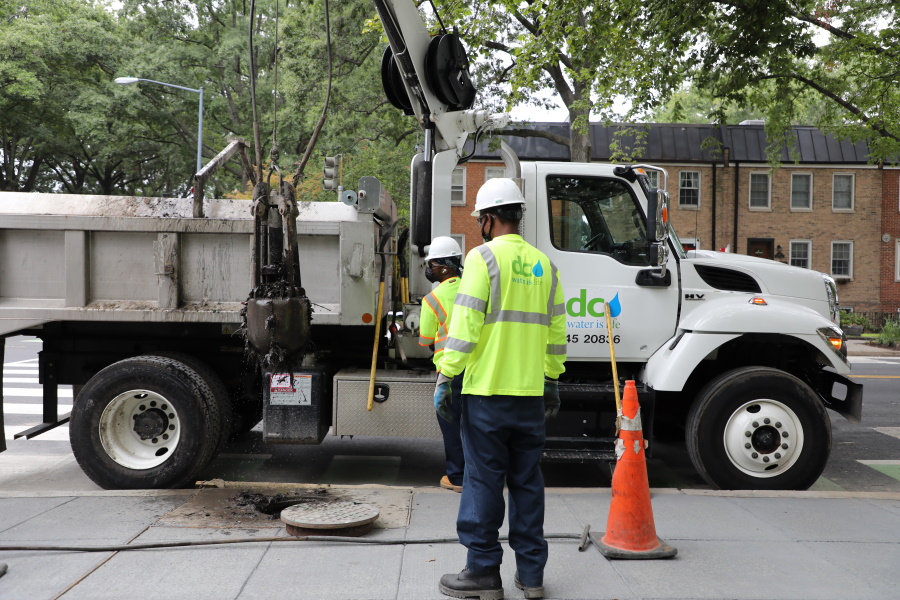
In neighborhoods served by combined sewers, our crews have been cleaning the catch basins, as has DPW (Department of Public Works) in areas with separate storm drains. DC Water has maintenance and jet trucks—which can jet out larger blockages—standing by.
In the pumping stations, we have cleaned all screens and are ready to repeat as often as needed. We have staged generators at stations that historically have lost power during severe storms.
DC Water is taking precautions against river rise at the Blue Plains Advanced Wastewater Treatment Plant, which is situated directly on the Potomac River. We have activated the flood gates to protect the buildings closest to the Potomac.
Added Gadis, "We have extended our shifts and prepared for staff to stay overnight if needed. We are also enhancing oversight of unmanned stations and closely monitoring via SCADA."
Customers should
Anyone experiencing a water or sewer emergency should immediately contact DC Water’s 24-Hour Emergency Command Center at 202-612-3400. Please quickly report catch basins that are clogged or otherwise not draining properly.
DC Water publishes an emergency preparedness issue of the customer newsletter dedicated to preparing customers for a variety of emergencies. The latest issue can be viewed at dcwater.com/ontap.
Most important steps
DC Water reminds customers that the most important step they can take should occur before a storm is on the way. They should check their insurance coverage and consider adding flood or sewer backup protection if prudent. The District Department of Insurance, Securities and Banking (DISB) has insurance tips and other useful information on its website at disb.dc.gov or call 202-727-8000.
Those who are prone to overland flooding due to grading on their property should have a professional address the grading with physical improvements. In the case of this storm, property owners can place barriers in front of any entry points that water might travel, such as doorways or below-grade windows. In case you experience flooding in the home, taking photos of the source of water entry into the home can help with a solution for the future.
Those whose homes or businesses are built in low-lying areas or with basements below grade should consider installing a backwater valve. Also known as a backflow prevention device, this valve is installed on a sewer line that connects a building to the public sewer in the street. The device allows sewage to only exit the home, not flow back in, preventing wastewater from entering the building during strong storms. Installation of this backwater valve where plumbing fixtures are below top of the upstream manhole in the street is a DCRA code requirement. There are limited areas where residents may be eligible for a discount when they install a backwater valve. Visit dcwater.com/backwatervalve or call 202-787-2003 for more on this topic.