Winter Is Here—Are Your Pipes Ready? DC Water Urges Customers to Prepare Now
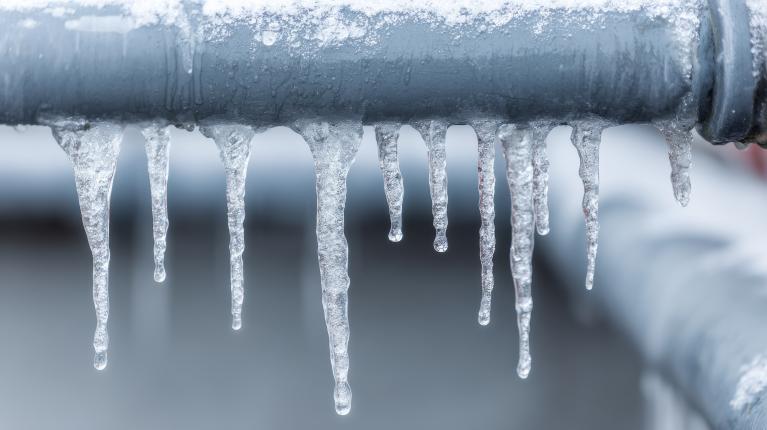
With December getting off to a near-record cold start now is the time to act. Winter weather can bring risks like frozen pipes, water main breaks, and other emergencies that can disrupt your water service. Don’t wait for something to happen. DC Water encourages customers to prepare now and know what to do if the unexpected happens.
During the winter, frozen pipes can burst and cause expensive water damage inside your home. Water mains are also susceptible to swings in temperature during freeze-thaw cycles which may contribute to breaks in aging infrastructure. If service is interrupted, you’ll want to be ready with stored water and know what to do when water service is restored.
If you encounter a problem with the pipes inside your home, contact a licensed plumber to help identify the issue and make any necessary repairs; or if you live in a condominium or apartment building contact your landlord or property manager. If not and the issue is on public property, there’s a loss of water service or water pressure, or water in the street, report the issue immediately. You can reach DC Water’s 24-hour Emergency Command Center at 202‑612‑3400 or online at dcwater.com/reportaproblem.
To avoid costly damage and keep your water flowing all season long, here’s some additional tips to protect your home and prepare for winter emergencies:
Frozen Pipes – Protect Your Home
- Insulate and Drain Outdoor Lines: Remove hoses, shut off and drain outdoor faucets, and insulate exposed pipes in unheated areas.
- Keep Water Moving: During extreme cold, let a faucet drip to prevent freezing.
- Maintain Heat: Keep thermostats at least 55°F, even when away.
- Thaw Safely: Use gentle heat (never open flames) or call a licensed plumber.
Water Main Breaks – What to Do
Loss of Water: If you lose water service, drink bottled water or use stored water if you have an emergency back-up supply (see below).
Our Response: Crews will work as quickly as possible to restore service, including isolating valves to impact the fewest homes, rerouting water, if possible, to maintain service to as many homes as possible, and repairing the break which may take several hours depending on the size of the line.
How to Flush Your Pipes After Service Restored: Run your cold water tap for about 10 minutes if you did not use water during the service outage, to replace water sitting in pipes with fresh water from the main.
- If water looks cloudy or sputters, start from the highest faucet (top floor) to clear air. The cloudy or white appearance is actually tiny air bubbles that will clear if you pour a glass of water and let it sit for a minute. Learn more here.
- If water is yellow or brown, start from the lowest faucet (basement or first floor) to flush sediment.
- Your water is safe to drink once service is restored.
In some (not all) cases, a boil water advisory may be issued. Once the advisory is lifted follow the above instructions and ensure you discard any food, beverages, and ice prepared with water that was not boiled during the advisory.
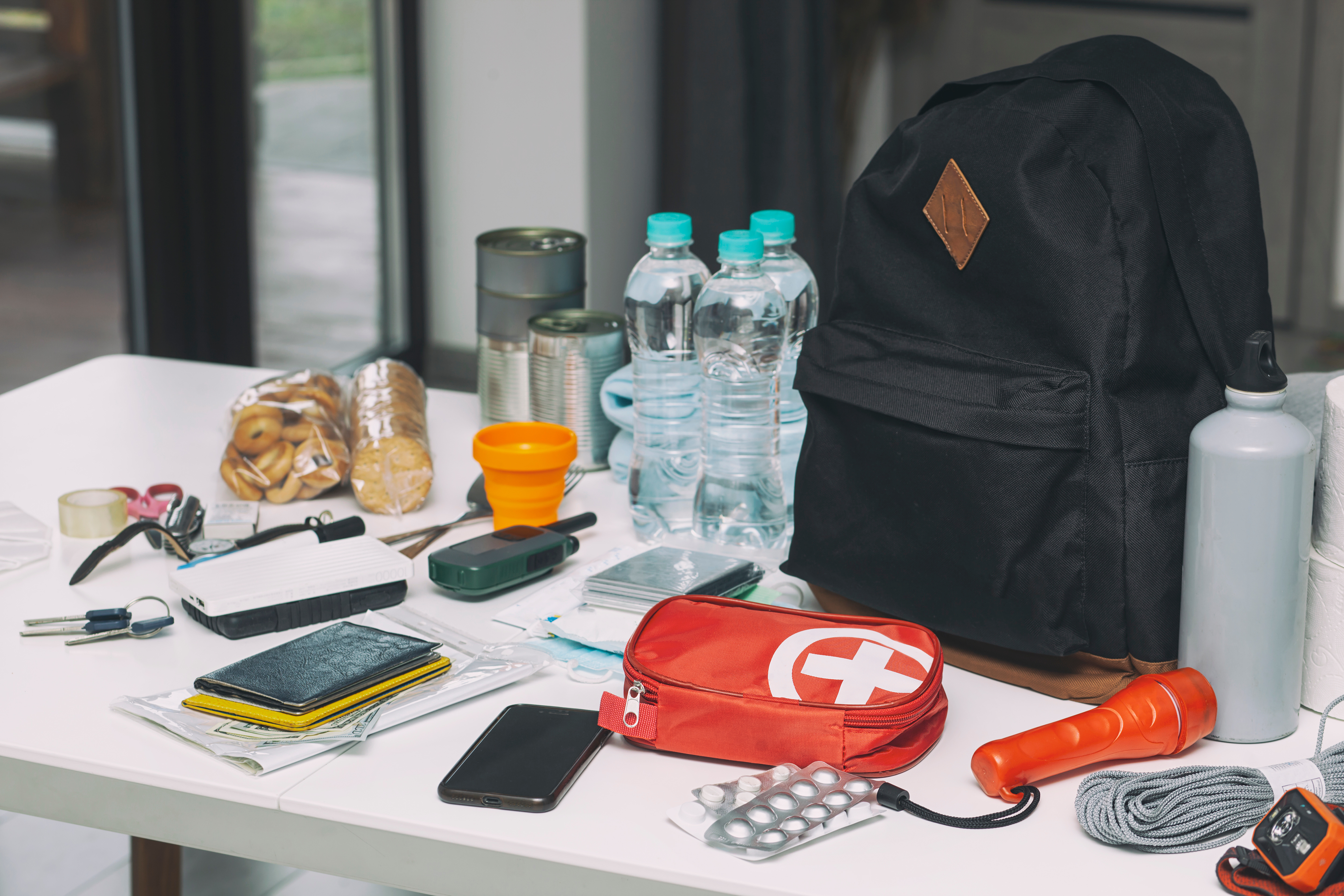
Preparing for a Water Emergency
- Know Your Shut-Off Valve: Locate and label it now.
- Store Water: Keep at least one gallon per person and pet per day for three days.
- Replace stored water every six months.
- Disinfectant: Keep a bottle of unscented liquid household chlorine bleach to disinfect water if needed or to use for general cleaning and sanitizing.
DC Water encourages customers to stay informed. Hospitals, schools, shelters, and other essential facilities deemed Critical Customers may also register to receive priority notifications. To receive emergency alerts or to register as a critical customer sign up at dcwater.com/alerts and follow us on social media – X, Bluesky, Instagram, and Facebook.
Additional information on how to prepare and what to do in a water emergency can be found on our website at dcwater.com/emergencies.