UPDATE: Potomac Interceptor Collapse, February 9
Highlights
- A significant overflow occurred late Sunday during a high flow period while several bypass pumps were temporarily taken out of service for maintenance reducing overall pumping capacity.
- DC Water is preparing an Environmental Restoration Plan, which is still in development.
- Construction continues to establish upstream and downstream access points to support additional bypass pumping around the collapsed pipe section.
- A full repair timeline has not been established. New bypass pumps and bulkhead must be installed before crews can safely remove a large rock dam blocking the damaged section of pipe.
DC Water and its contractors continue working around the clock, to operate, clean and maintain bypass pumps that divert wastewater around the damaged section of the Potomac Interceptor and return flows into the system further downstream. Despite these efforts, a significant overflow occurred late Sunday. The amount is still being calculated, but preliminary estimates indicate several hundred thousand gallons of wastewater overflowed.
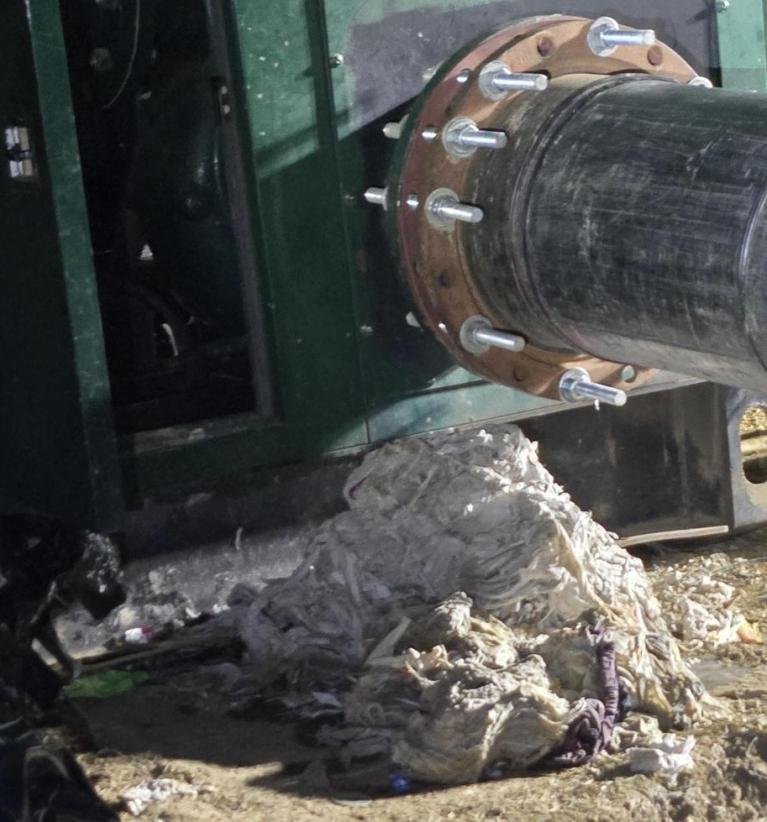
The overflow event occurred when multiple pumps were out of service for required cleaning and maintenance after becoming clogged by non-disposable wipes that were flushed into the system. This reduction in pumping capacity coincided with a high flow period in the sewer system contributing to the event. The incident is in addition to a smaller overflow that occurred earlier in the day but was contained within the site and did not reach the river.
Restoring full functionality and flow to the Potomac Interceptor remains the key to eliminating both dry and wet weather overflows. Work continues to create two new access points upstream and downstream of the damaged pipe section to increase pumping capacity. These improvements are needed to install a bulkhead to limit flow and allow for the safe removal of a significant rock blockage at the collapse site.
Five new bypass pumps – each capable of pumping up to 13 million gallons a day – are currently being tested and may begin arriving later this week. Once those arrive, some pumps can be placed on stand-by to immediately replace pumps taken out of service for cleaning and maintenance.
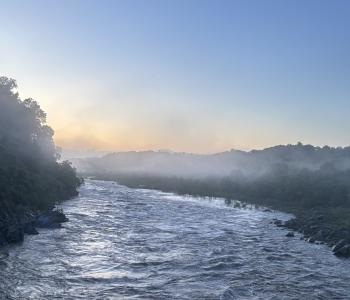
DC Water is also preparing an environmental remediation plan and continues to perform water quality sampling. Elevated E. coli levels remain at the Lock 10 channel, where snowmelt combined with residual wastewater are entering the river and are periodically further impacted by overflow events. Sampling indicates significant decrease in E. coli at downstream sampling sites where levels are within acceptable limits as set by the Environmental Protection Agency.
Water Quality Sampling Results
Results of water quality sampling below reflect adjustments that have been made following a review of the sampling data that identified errors that have now been corrected. The highlighted results are updated, the most significant of which was the sample taken near the drainage channel on February 6. The previous data indicated 2,420 MPN/100mL when the results were 242,000 MPN/100mL. We regret this mistake and have implemented additional quality control measures to ensure the accuracy of the data reported. The updated data is highlighted in yellow.
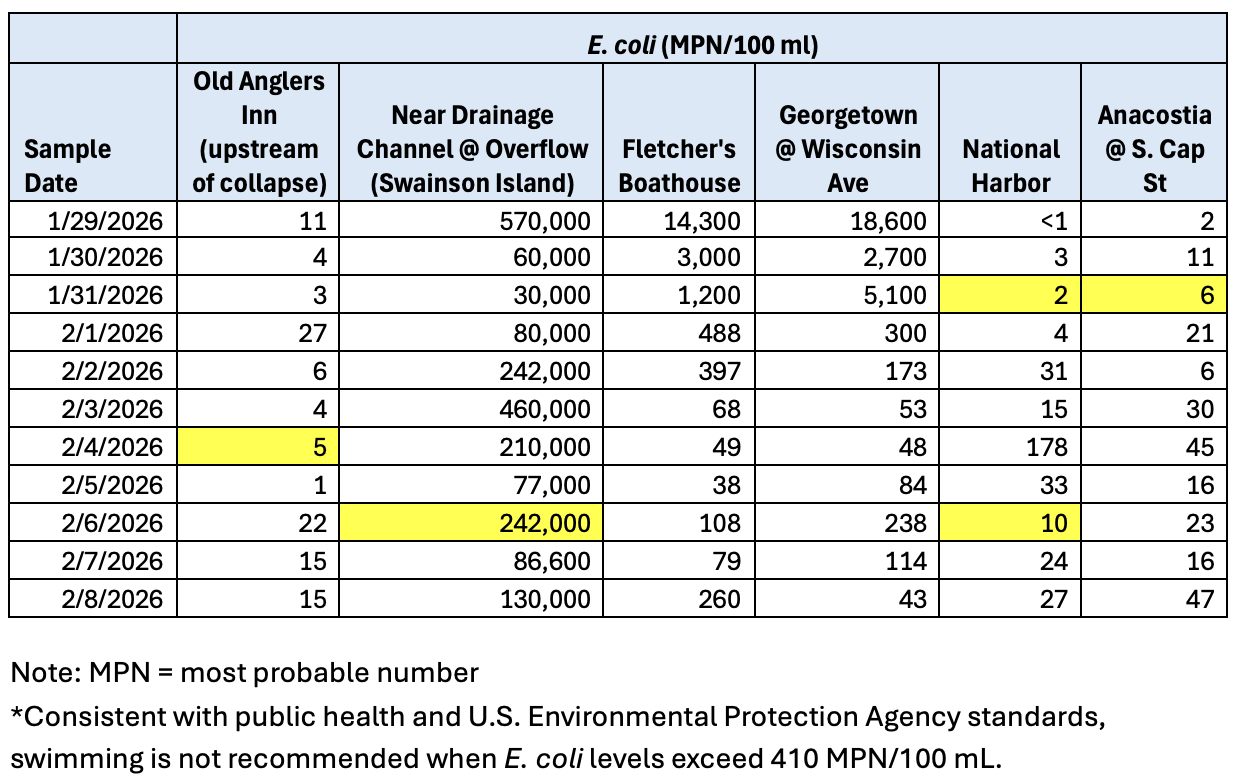
Historical data indicate typical E. coli levels in the Potomac River can range from 10 to 5,000 MPN/100mL. Variability in E. coli results are common and are influenced by multiple factors, such as weather (rainfall/snow melt and associated runoff) and subwatershed activities and conditions, including aging sewer infrastructure and illicit discharges.