An open letter from DC Water CEO David L. Gadis about the Potomac Interceptor
Our Shared Commitment to the Potomac River
To our neighbors, community partners, and everyone who cares deeply about the Potomac River,
I want to begin by acknowledging what so many residents, environmental advocates, and river users have expressed in recent weeks: the sewer break on January 19, 2026, was deeply troubling. The Potomac River is a shared natural treasure, and any event that threatens its health understandably causes concern, frustration, and a sense of loss. Those feelings are not only valid - but they are also shared by all of us at DC Water.
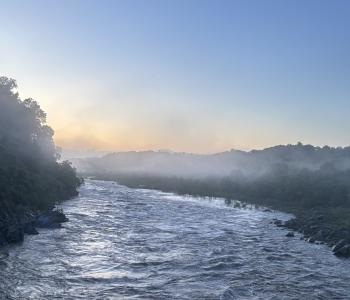
I want to explain how this incident unfolded and the actions we have taken to mitigate its impacts and move forward. On the evening of Monday, January 19, 2026, security cameras detected unusual activity near one of our odor control facilities along the Clara Barton Parkway. That alert led our teams to discover a collapse in a section of the Potomac Interceptor sewer line, which resulted in an uncontrolled overflow of wastewater into the Potomac River. From that moment forward, DC Water crews and contractors mobilized around the clock - through sub-freezing temperatures and severe winter weather - to contain the overflow, protect public safety, and begin repairs to the 72-inch pipe. By January 24, an emergency bypass was activated to reroute flows and stop the discharge.
Our immediate priorities have been containment, environmental monitoring, and stabilization - working closely with federal, state, and local partners to assess water quality, ecological impacts, and necessary remediation.
In parallel with the on-the-ground response, we have also prioritized frequent communication with the public and our oversight partners. Since the incident was identified, DC Water has issued daily updates and maintained ongoing coordination with local, state, and federal agencies, sharing information as it has been confirmed. We understand that transparency is essential to public trust, and we remain committed to communicating openly - both about what we know and what we are continuing to assess.
We recognize that describing response actions and infrastructure details does not erase the environmental impact or the concern this incident caused. For those who live near the river, recreate on it, or work every day to protect it, witnessing this unfold was distressing. We hear that clearly.
This incident has also underscored a broader reality facing utilities across the country: much of the infrastructure that protects our waterways was built decades ago, long before today’s environmental standards, population growth, and climate pressures. The Potomac Interceptor - more than 60 years old - is a critical regional asset, conveying wastewater from across the metropolitan area to the Blue Plains Advanced Wastewater Treatment Plant. Its failure reinforces why sustained investment and vigilance are essential.
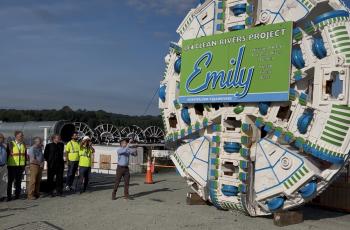
DC Water has already committed significant resources to this work, including a $625 million investment to rehabilitate the Potomac Interceptor as part of our 10-year, $10 billion Capital Improvement Program. These investments build on decades of progress, including the Clean Rivers Project, which has already prevented more than 19 billion gallons of combined sewage from entering local waterways, and the Potomac River Tunnel now under construction, which will dramatically reduce overflow events in the future.
Still, we know that past progress does not diminish the responsibility we carry today. Restoring confidence - both in the river’s health and in our stewardship - requires more than repairs. It requires listening, learning, and continuous improvement. We take seriously the calls from community members and environmental partners for accountability, transparency, and long-term solutions, and we are committed to engaging constructively as this work continues.
We also recognize that trust is built not only through timely information, but through direct engagement. We know it is important to create opportunities for dialogue - where questions can be raised, information can be shared, and concerns can be addressed openly. In the days ahead, we are working to bring DC Water leadership together with our partners to engage directly with the community on the response, ongoing assessment, and both near- and long-term solutions.
Protecting the Potomac is not the responsibility of any one organization alone. It is a shared obligation, and we value the advocacy, expertise, and vigilance of those who hold us accountable. Recovery and long-term stewardship require more than immediate action - they require alignment among those responsible for protecting public health, safeguarding the environment, applying technical expertise, and representing the voices of the affected communities. Through continued collaboration, openness, and sustained investment, I am confident we can strengthen both the health of the river and the trust of the communities we serve.
Thank you for your continued engagement, your passion for this extraordinary natural resource, and your partnership as we move forward together.
With appreciation,
David L. Gadis
CEO and General Manager