DC Water Seeks to Expand Options for Free Lead Service Line Replacements
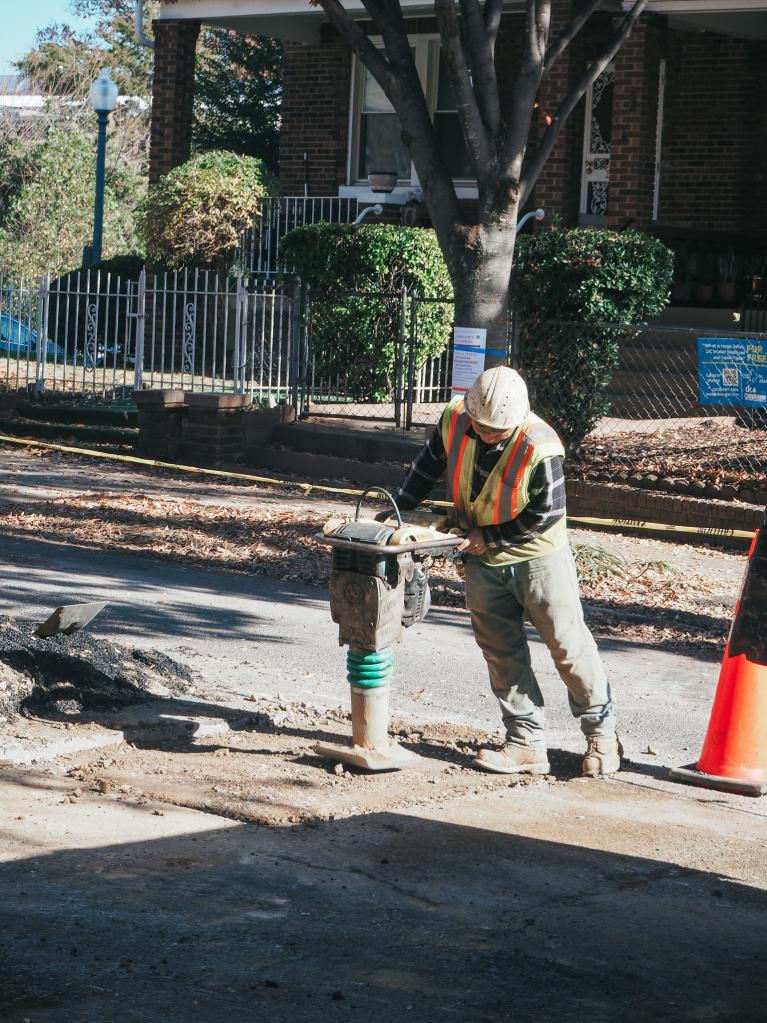
DC residents who want to replace their lead service lines may soon have more options to do it sooner—without having to wait for construction to reach their block. While the Lead Free DC Program replaces lead service lines at no cost, DC Water has proposed two updates to its program that would make it easier and faster for some residents to get their lead pipes replaced, especially those at higher risk of lead exposure. These proposed changes have been published in the DC Register and are now open for public review.
If approved, the updates would create a faster pathway for replacements in homes such as those with pregnant or nursing individuals, young children, people with elevated lead levels, and places like childcare centers.
As part of Lead Free DC’s replacement program, DC Water covers the costs of replacing the public portion of the pipe (from the water main to the property line) using ratepayer funding, while the private portion (from the property line into the home) is replaced for free using funding from federal and District programs.
The first update, titled “House by House Lead Pipe Replacement Assistance Program,” would allow more flexibility in how these non-ratepayer funds, including federal funding, is used to cover the cost of replacing lead pipes on private property, helping more residents qualify for assistance.
The second update, titled “House by House Priority Replacement Assistance Program” would allow DC Water to establish an option to speed up and fund replacements for homes and facilities where people may face a higher risk of lead exposure. This means eligible residents could get their pipes replaced sooner instead of waiting for block-by-block construction.
Right now, most lead service line replacements happen when DC Water is working on your neighborhood block-by-block, or during related emergency or planned construction projects like replacing water mains. In some cases, if only the portion of the pipe on private property contains lead, federal or District funding may already cover the cost through the Lead Pipe Replacement Assistance Program.
Residents can also choose to pay for a replacement themselves if they want the work completed sooner.
The proposed House by House (HBH) updates would expand these options—making it easier for more customers to qualify for free replacements and helping higher-risk households get work done faster.
The proposed changes are open for public comment through June 23, 2026. DC Water encourages community members to review the proposals and submit feedback.
Comments should be submitted to:
Debra Mathis, Acting Secretary to the Board
District of Columbia Water and Sewer Authority
1385 Canal Street, S.E., Washington, DC 20003
Or by email to board.secretary@dcwater.com.
You can also request copies of the Notice of Proposed Rulemaking from DC Water at the same address or by contacting the Board Secretary’s Office at (202) 787-2330.
After the comment period closes, DC Water will consider the comments and submit the final rules for adoption and approval by the Board. After publication of the Notice of Final Rulemaking, the House by House Lead Pipe Replacement Assistance Program and Priority Full Replacement program will be implemented effective October 1, 2026.
For more information about the Lead Free DC program, visit dcwater.com/lead , or email lead@dcwater.com.