DC Water Reaches Collapsed Pipe Section; Damage Assessment Underway
DC Mayor Muriel Bowser Visits Site as Crews Make Progress on Repairs
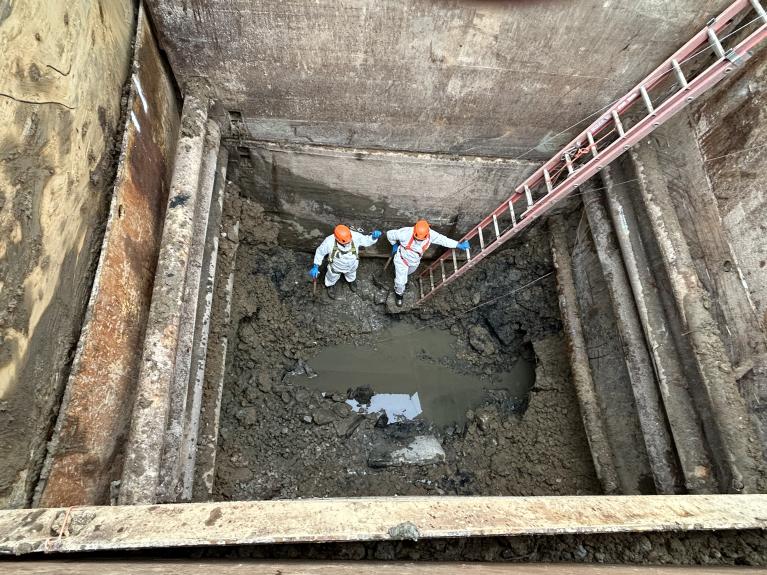
DC Water has successfully reached the damaged section of the Potomac Interceptor, marking a critical step in the ongoing damage assessment and repair efforts. Crews today are manually digging out the affected area, carefully removing sludge, soil, and debris from the collapsed pipe. The work is slow and painstaking, as large boulders and rocks complicate the excavation process. Crews are using both manual labor and an excavator to clear obstructions, working carefully not to cause any additional damage.
A section of the sewer line collapsed on January 19, along Clara Barton Parkway and the I-495 interchange in Montgomery County, MD and the C & O Canal National Historical Park. An estimated 243.5 million gallons of wastewater has overflowed, most of that in the initial week and no overflows entering the river have occurred in the past 11 days.
Crews were able to reach the damaged pipe section, after the successful installation of a steel bulkhead gate that is now blocking all flow in the pipe. At the same time, the enhanced bypass pumping system is fully operational and diverting wastewater around the collapse site and back into the Potomac Interceptor further downstream. This critical step has enabled workers to access the site safely and begin assessing the pipe for repairs. The manual nature of this work underscores the complexity of the situation and the debris at the collapse site must be removed to fully expose the pipe for engineers to evaluate the damage inside.
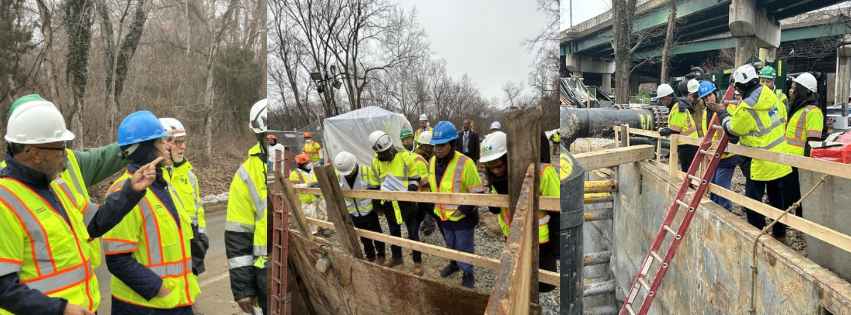
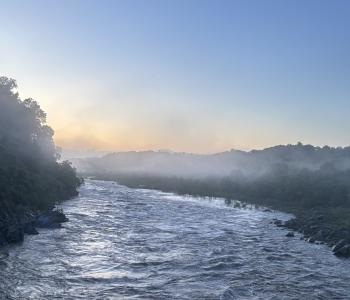
Earlier today, DC Mayor Muriel Bowser joined DC Water CEO and General Manager David L. Gadis at the site to see the progress firsthand and the difficult work of the crews on-site. Mayor Bowser was able to observe both the damaged pipe and the pumping operations that are preventing overflows from entering the Potomac River, emphasizing the importance of protecting the river for residents and those who use it.
Repairs are expected to be completed by mid-March, restoring full flow and function to the Potomac Interceptor. At that point the bypass pumping system utilizing the C & O Canal will no longer be needed. Once the collapse site is cleared, work will begin to remove a 30-foot rock dam blocking the pipe. Crews will need to proceed carefully not to trigger another collapse, due to the uncertain integrity of the remaining pipe.
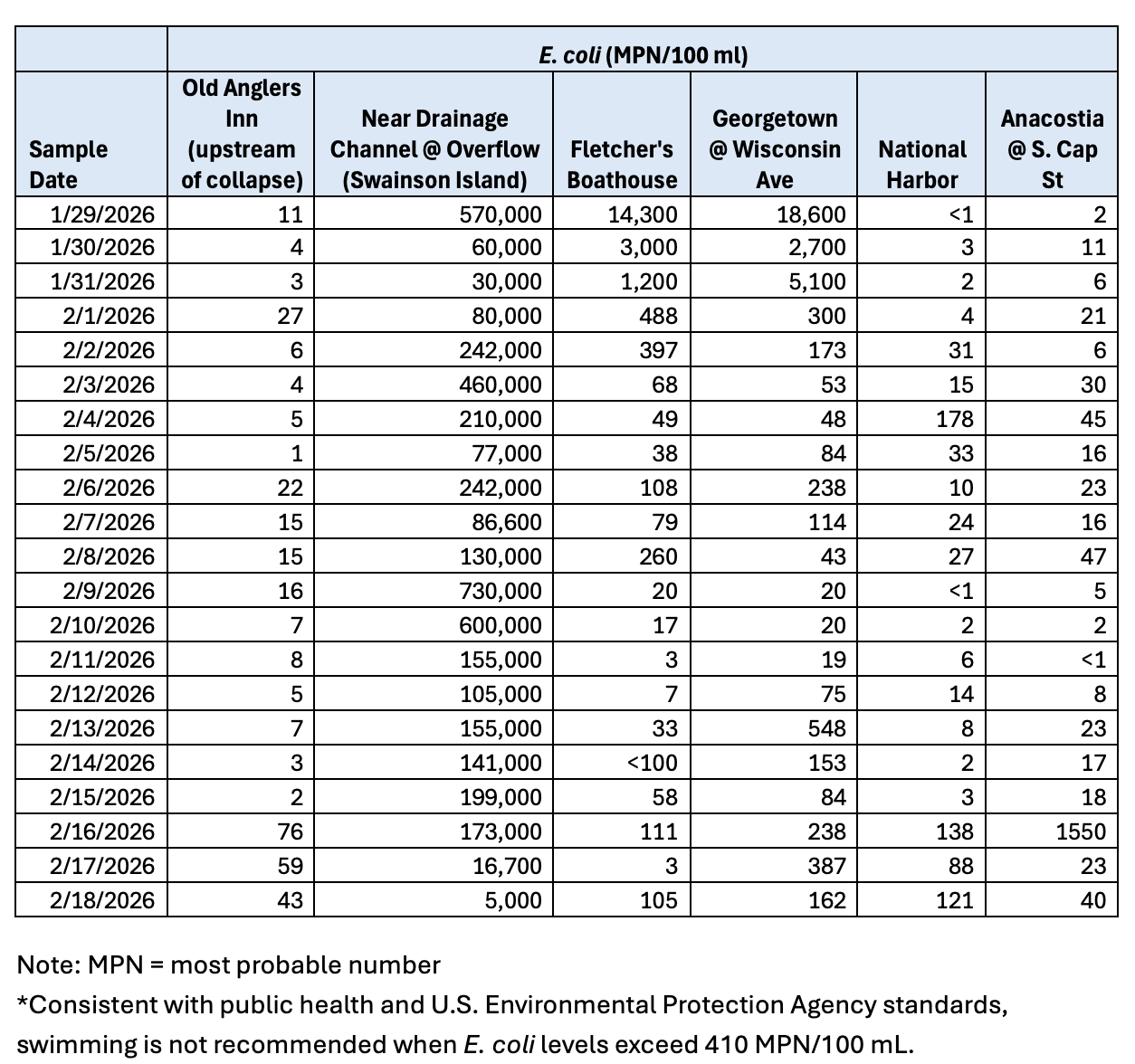
Water Quality Sampling Results:
DC Water is performing daily water quality sampling. It’s important to note that historically the E. coli levels in the Potomac and Anacostia rivers vary widely from day to day. Fluctuations in water quality are influenced by factors such as weather events, river flow, runoff, pollutants, and other sources discharging into waterways; and measurements taken much further downstream cannot be attributed solely to this incident.
For the Potomac River, historical water quality data shows E. coli levels may vary from a range as low as 10 MPN/100mL to as much as 5,000 MPN/100mL on a given day.
A more detailed explanation is posted on the District Department of Energy and Environment (DOEE) website at https://doee.dc.gov/release/potomac-interceptor-update-and-faqs.
For the latest information on the Potomac Interceptor repairs and water quality sampling go to dcwater.com/potomac-interceptor-collapse.