DC Water Identifies Significant Rock Blockage in Potomac Interceptor, Impacting Cleaning and Repair Timeline
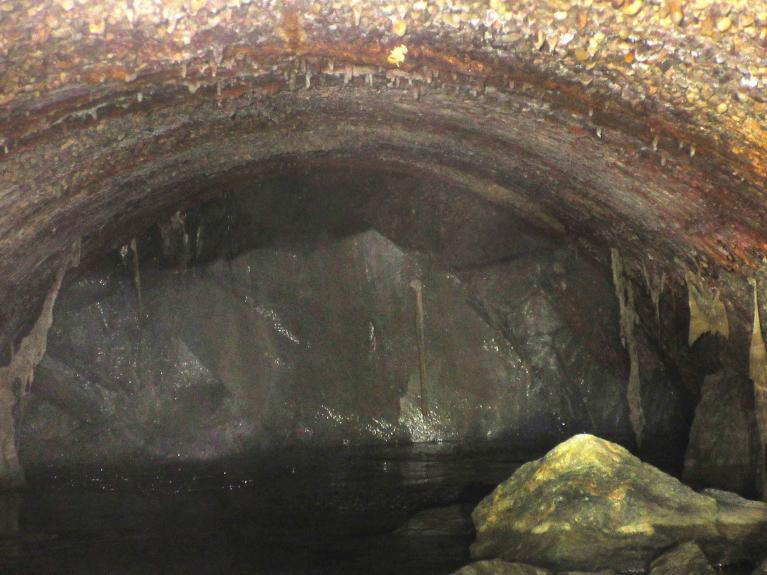
Overnight CCTV inspection of the Potomac Interceptor revealed the blockage inside the collapsed sewer line is far more significant, showing a large rock dam stretching approximately 30 feet downstream of the original failure. The unexpected discovery exposed the severity of the obstruction and prompted an immediate reassessment that will extend the timeline for cleaning and repairs.
It’s expected to take an estimated 4-6 weeks of additional time to get a system in place that will add more, larger bypass pumps in a new location and stabilize the site for heavy machinery to safely begin removing the large rocks and boulders inside the sewer line. While the existing bypass system has mostly contained overflows, more pumps are needed to further reduce the remaining flow getting through the pipe. A bulkhead will then be installed upstream of the failure to block the pipe and limit the wastewater reaching the collapse site.
A section of the sewer line collapsed January 19, along Clara Barton Parkway and the 495 interchange and the C & O Canal National Historical Park, causing an estimated 40 million gallons a day of wastewater to escape and enter the Potomac River.
Standard cleaning methods using industrial vacuums and jets are not sufficient to remove these large boulders. Addressing this blockage will require both larger machinery and manual labor. Workers will need to safely enter the pipe, use slings to maneuver around the rocks, and then rely on heavy equipment to extract each boulder, making removal a complex and highly specialized operation.
The large rocks blocking the pipe were likely excavated during original construction in the 1960’s and used as backfill. When the failure occurred, this material collapsed into the interceptor drawn in by the force of wastewater flow, eventually accumulating and creating this rock dam. Additional rock and soil entered the pipe as surrounding material eroded into the sinkhole created by the collapse.
To facilitate this work, DC Water will construct a new large pit upstream of the collapse to access the existing sewer line and install new, high-capacity pumps. Five more pumps—coming from Florida and Texas—will increase the pumps on site to 13 and increase capacity to more than 100 million gallons per day, allowing us to temporarily divert wastewater and keep the site as dry as possible for safe rock removal.
While the risk of limited overflows remains during this period, our teams are working around the clock to minimize impacts as much as possible. DC Water continues working with federal, state, and local regulators to evaluate the environmental impact and develop remediation plans. As part of this, DC Water is performing water quality sampling at several locations.
DC Water Bacteria Sampling after Potomac Interceptor Break
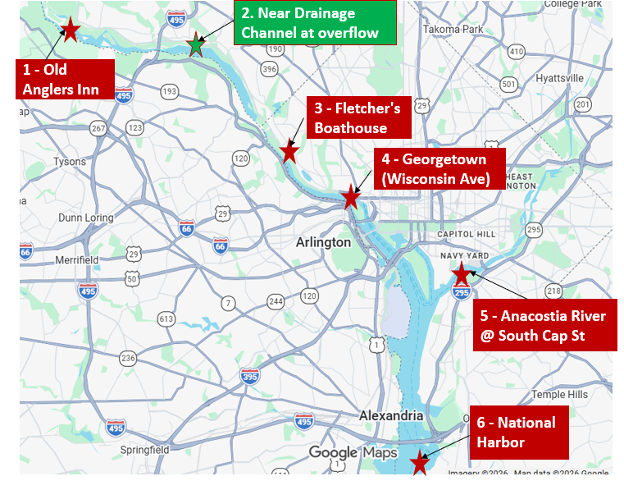
Utilizing a contracted environmental firm and certified laboratory, DC Water initiated daily sampling for E. Coli, an indicator bacterium, at six (6) locations beginning on Jan 29, 2026. To assess water quality conditions, sampling locations including the overflow area as well as upstream and downstream sites. The locations are shown on the following map, and the results are provided in the table below.
Overall, results show mostly decreasing trends since the start of sampling. Results at these sites, particularly the elevated concentrations observed at the overflow site in recent days, are expected as a result of limited overflow events that occurred. These are likely influenced by ice and snowmelt, which may increase system flows, contributing to overflow events during this emergency repair. Although the overflow is now mostly contained, E. coli levels are expected to continue fluctuating over time due to residual impacts from the incident and ongoing influences from weather conditions such as precipitation, snowmelt, temperature variability, and other natural sources of E. coli bacteria such as wildlife.
DC Water’s E. Coli Sampling Locations
Water Quality in the Potomac River
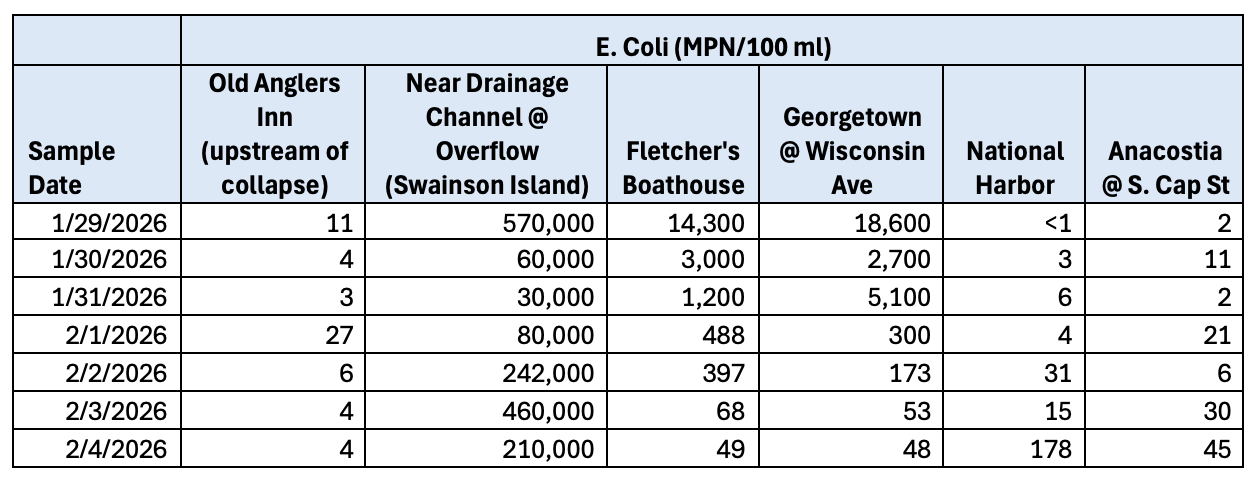
Consistent with public health and U.S. Environmental Protection Agency standards, E. coli levels which exceed 410 MPN/100 mL are considered unsafe.
Historical data indicate typical levels in the Potomac River can range from 10 to 5,000 MPN/100mL. Variability in E. coli results are common and are influenced by multiple factors, such as weather and subwatershed activities and conditions, including aging sewer infrastructure and illicit discharges.