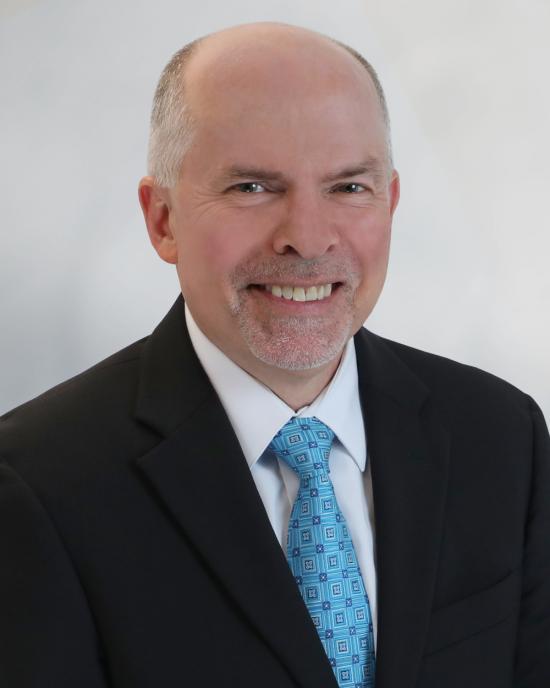
DC Water General Manager George Hawkins Testifies at House Hearing on U.S. EPAs Integrated Planning Framework
July 26, 2012 - DC Water General Manager George S. Hawkins testified Wednesday on behalf of the National Association of Clean Water Agencies (NACWA) at the U.S. House of Representatives Subcommittee on Water Resources and Environment hearing regarding U.S. EPAs final integrated planning framework. General Manager Hawkins is Chair of the NACWAs Money Matters Task Force, responsible for providing guidance on new approaches to Clean Water Act (CWA) affordability.
As the CWA celebrates 40 years, there is no doubt that compliance places an enormous financial burden on wastewater utilities. CWA obligations for combined sewer overflows, sanitary sewer overflows, and stormwater regulations as well as pollutant-based requirements such as nutrient limits and other total maximum daily loads and effluent limitations can cost utilities in the billions of dollars. U.S. EPAs integrated planning framework recognizes that allowing some flexibility and extending the timeframe for compliance would provide some relief to utilities, and therefore their ratepayers as well.
We strongly believe that we can achieve water quality goals with fewer resources by using innovative approaches and addressing the most challenging problems first, said Hawkins. In addition, NACWA will be focused on making sure that all communities, not just those having faced or now facing enforcement actions, can use an integrated planning approach to meet their permit obligations.
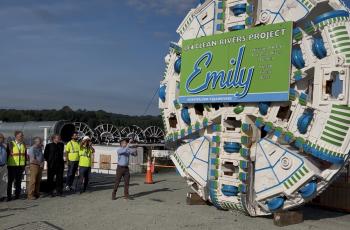
Hawkins also spoke to DC Waters case, commenting that improved flexibility and adaptability could help alleviate the massive burden placed upon DC Water and its ratepayers. Between the Clean Rivers Project to nearly eliminate combined sewer overflows and the Enhanced Nutrient Removal Facilities designed to reduce nitrogen loads to receiving waters, CWA mandates will cost roughly $3.5 billion.
Hawkins outlined the following four points regarding the U.S EPAs integrated framework:
1. NACWA urges Congress to provide initial financial support for the development of municipal plans in pilot communities across the country.
2. Congress should allow for NPDES permit terms to be extended up to 25 years for a community with an approved integrated plan to allow those communities some assurance and certainty that their clean water investments will be secure for longer than five years.
3. EPAs framework encourages the use of innovative, cost-saving tools such as green infrastructure and water quality trading as part of a communitys an integrated plan. These tools need time to develop and mature, and will not be considered viable options if only given a few years to employ.
4. NACWA has also long supported the creation of a dedicated source of funding for wastewater infrastructure investments to ensure that communities can meet their obligations under the Clean Water Act (CWA). A Clean Water Trust Fund, similar to those that finance highways and airports, would provide a federal contribution to supplement existing local and state revenue to help communities meet CWA unfunded mandates.