Learn to Shut Off the Main Water Valve
When there is a water emergency, it is sometimes necessary to shut of the water supply to your house. Here's how:
- Look for the main valve where the water supply enters your house (usually in the basement) or in a concrete box near the street.
- If the valve is outside your house, lift the cover with a large screwdriver.
- Then, use a pipe or crescent wrench to turn off the water. Mark the shut-off valve with fluorescent paint or tape so you can find it in the dark.
- Drain all water from the system, including your hot water heater, if you must evacuate when the weather is cold.
Prepare an Emergency Water Supply
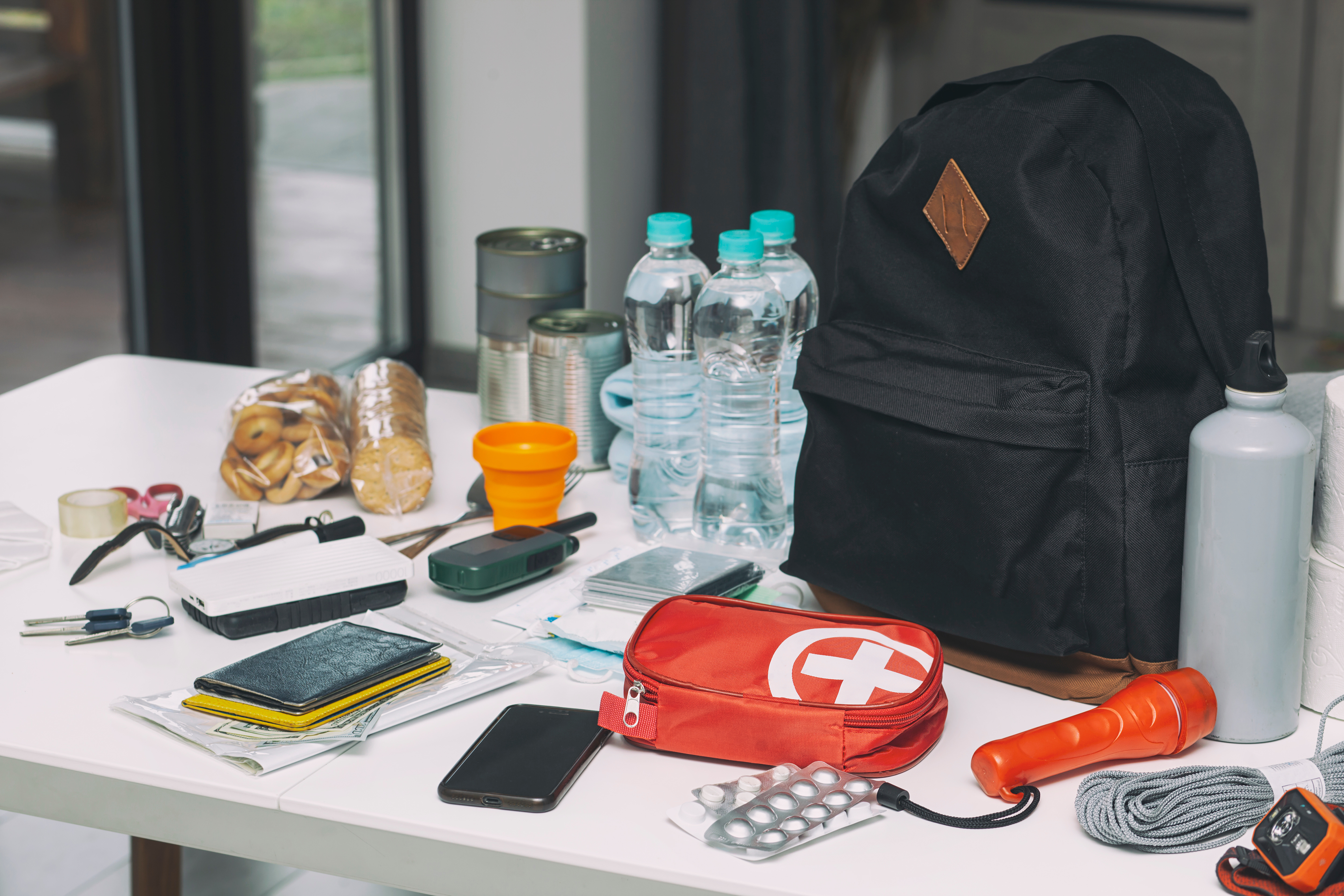
Unopened commercially bottled water is the safest and most reliable emergency water supply.
- Store at least 1 gallon of water per day for each person and each pet.
- Store at least a 3-day supply of water for each person and each pet. Try to store a 2-week supply if possible.
- Observe the expiration date for store-bought water; replace other stored water every six months.
- Store a bottle of unscented liquid household chlorine bleach to disinfect your water and to use for general cleaning and sanitizing.
Cleaning and Storage of Water Containers
Use of food-grade water storage containers, such as those found at surplus or camping supply stores, is recommended if you prepare stored water yourself. Before filling with safe water, use these steps to clean and sanitize storage containers:
- Wash the storage container with dishwashing soap and water and rinse completely with clean water.
- Sanitize the container by adding a solution made by mixing 1 teaspoon of unscented liquid household chlorine bleach in one quart of water.
- Cover the container and shake it well so that the sanitizing bleach solution touches all inside surfaces of the container.
- Wait at least 30 seconds and then pour the sanitizing solution out of the container.
- Let the empty sanitized container air-dry before use OR rinse the empty container with clean, safe water that already is available.
Proper Water Storage
- Label container as "drinking water" and include storage date. Replace stored water that is not commercially bottled every six months.
- Keep stored water in a place with a fairly constant cool temperature out of direct sunlight.
Basic information on Emergency Preparedness
DC HSEMA: Hurricane Preparedness and Response
DC HSEMA: Hurricane Fact Sheet
Learn How to Prevent Freezing Pipes
In an emergency, you may not have electricity or you may have to leave your home for a long period of time. When this happens in very cold weather, pipes in your home that have water in them may freeze and break, causing water damage in your home. To keep pipes from freezing, turn off the water flow to your house. Here's how:
- Wrap water pipes in insulation before the cold weather comes.
- Allow water to drip slightly, if the weather is extremely cold and you are at home.
- If you must leave your house for a long time because of an emergency, turn off the main water valve, and drain water from all pipes
Have a Plan
To protect yourself and your loved ones in the event of a water emergency or a related emergency, you should create an emergency plan.
Federal Government Information
Department of Homeland Security
Federal Emergency Management Agency (FEMA)