EMERGENCY WATER OUTAGE
Nov 22, 2026 | 03:53 PM

EMERGENCY WATER OUTAGE
Nov 22, 2026 | 06:00 AM

Spring Cleaning for District's Water Pipes
March 20, 2018

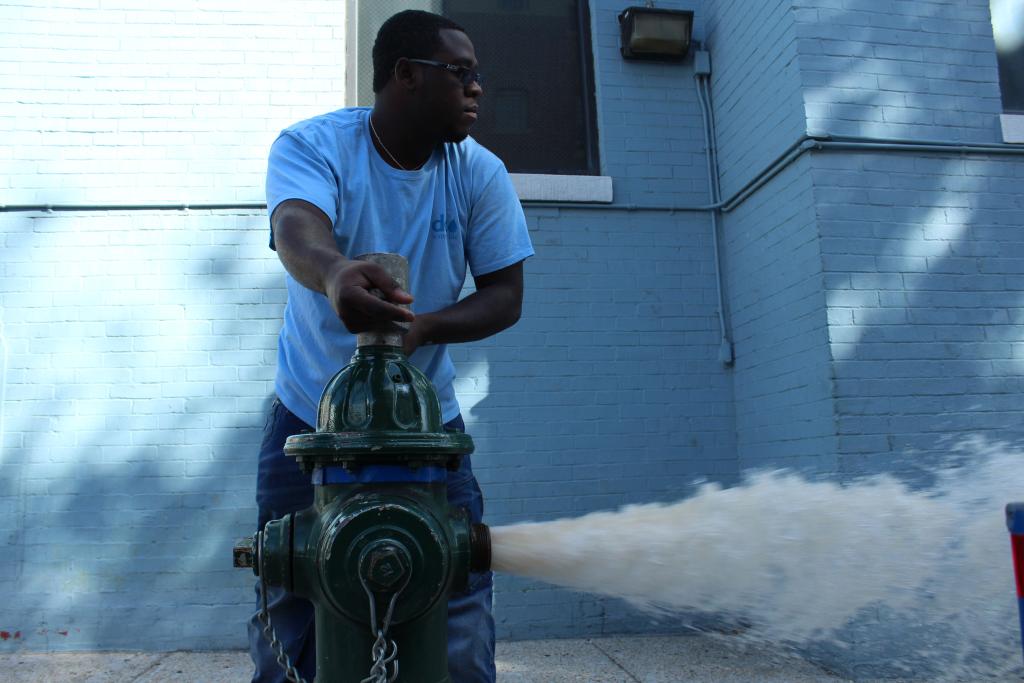
Spring is the season of renewal. Each spring, utilities nationwide routinely switch their disinfectant to free chlorine and flush fire hydrants to keep water distribution pipes clean, and drinking water safe.

After meeting quality standards and leaving the federally-owned treatment facility, drinking water travels through over 1,300 miles of pipes all the way to your home. In order to keep clean this large distribution system, the disinfectant that protects drinking water is temporarily switched every year from chloramine (sometimes called combined chlorine) to chlorine. Additionally, fire hydrants are opened and water mains are flushed throughout the city. This standard procedure is the safest, most effective method for minimizing the impacts of aging pipes on water quality and preserving the integrity of the distribution system throughout the year.

While the Authority ensures water will continue to meet strict standards for drinking and everyday use, customers may notice a slight change in its taste or smell. If you notice a strong chlorine taste and odor, or temporary discoloration:

  • Flush cold water tap for two minutes
  • Refrigerate a pitcher of cold tap water to allow the chlorine odor to disappear
  • Use a pitcher–, or faucet–mount filter to remove chlorine taste and odor

Individuals and business owners who take special precautions to remove chloramine from tap water, such as dialysis centers, medical facilities and aquatic pet owners, should continue to take the same precautions during the temporary switch to chlorine. Most methods for removing chloramine from tap water are effective in removing chlorine. For more information, contact the Drinking Water Division at (202) 612-3440.

Feel free to print and distribute our Disinfectant Swtich FAQ to friends and neighbors. 
Latest Posts

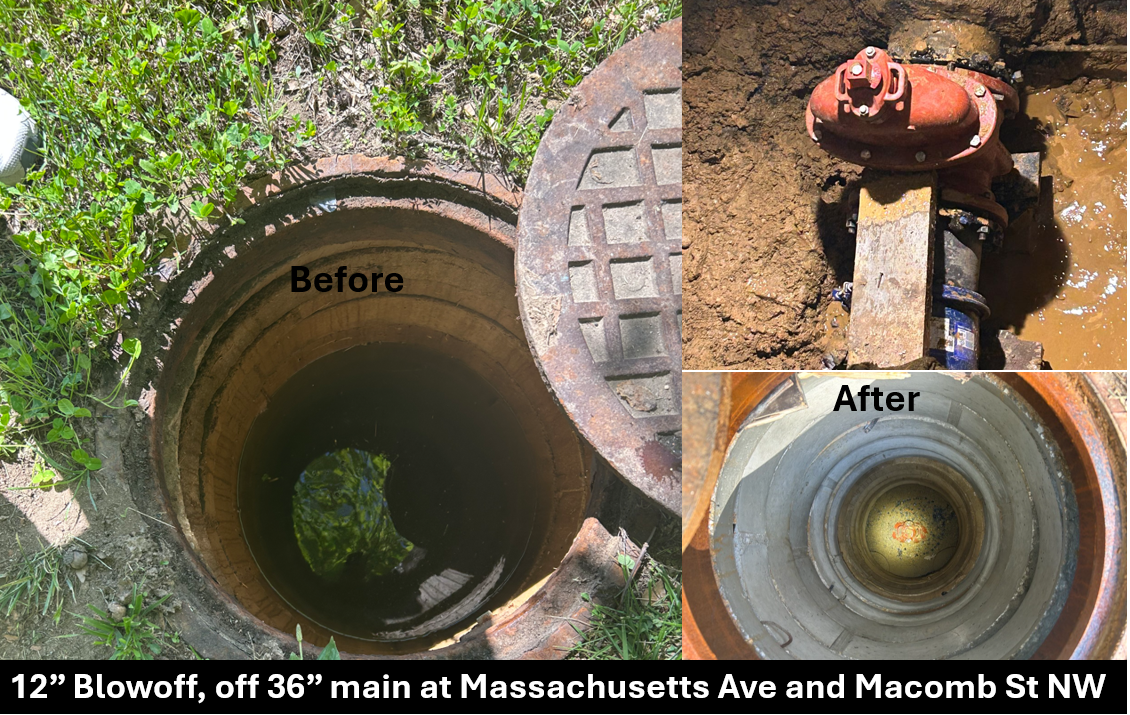
Before-and-after comparison of a 12-inch blowoff connected to a 36-inch water main near Massachusetts Avenue and Macomb Street NW. The images show the inside of the structure before the repair, repair work around the pipe, and the interior after the repair was completed.
Nov 18, 2026
How Teamwork Helped DC Water Stop Hidden Water Loss
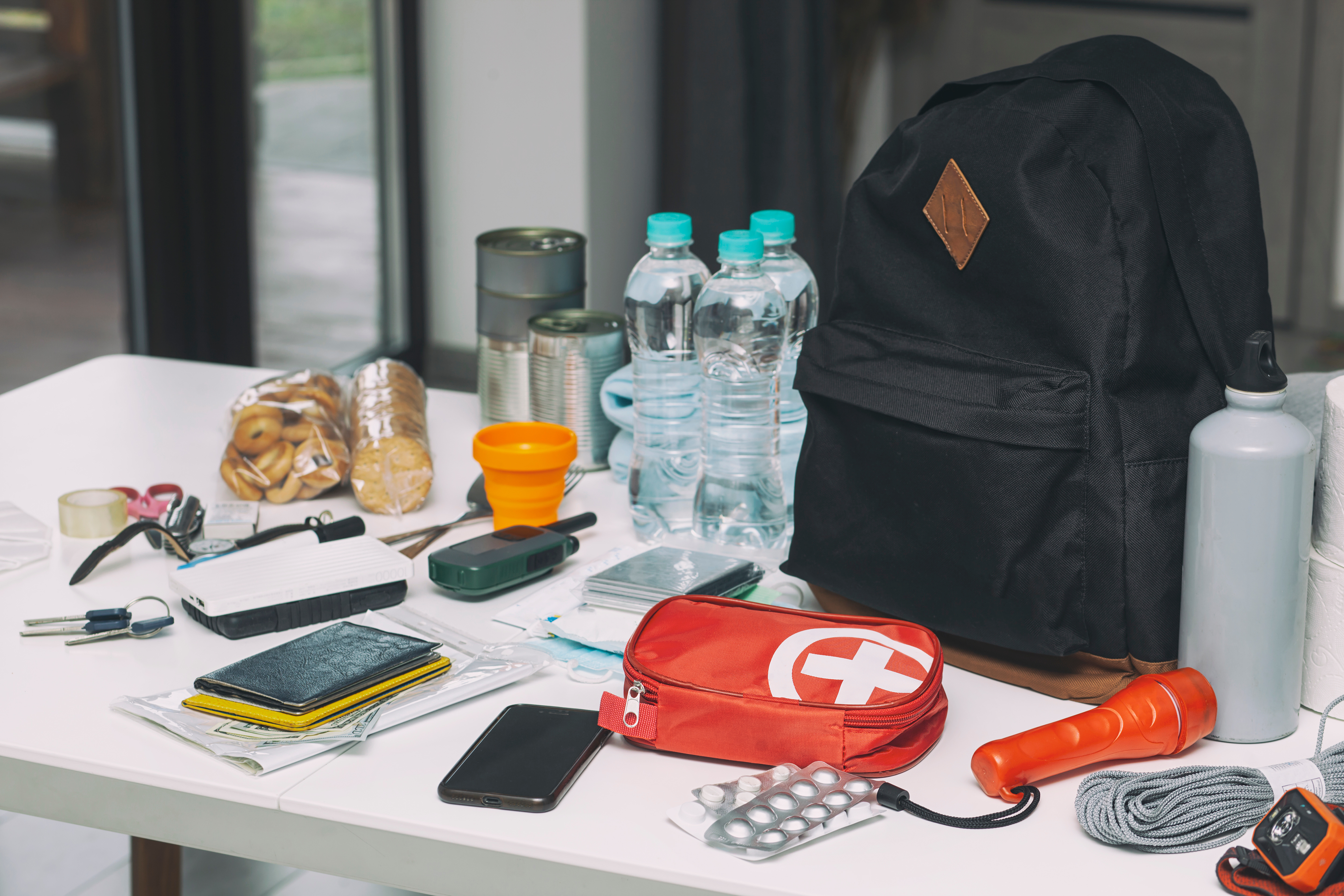
Emergency supplies arranged on a table, including bottled water, canned food, a backpack, first aid kit, flashlight, phone, medication and other essential items.
Aug 21, 2026
A few simple steps can help your household prepare for severe weather and temporary water or sewer service interruptions.
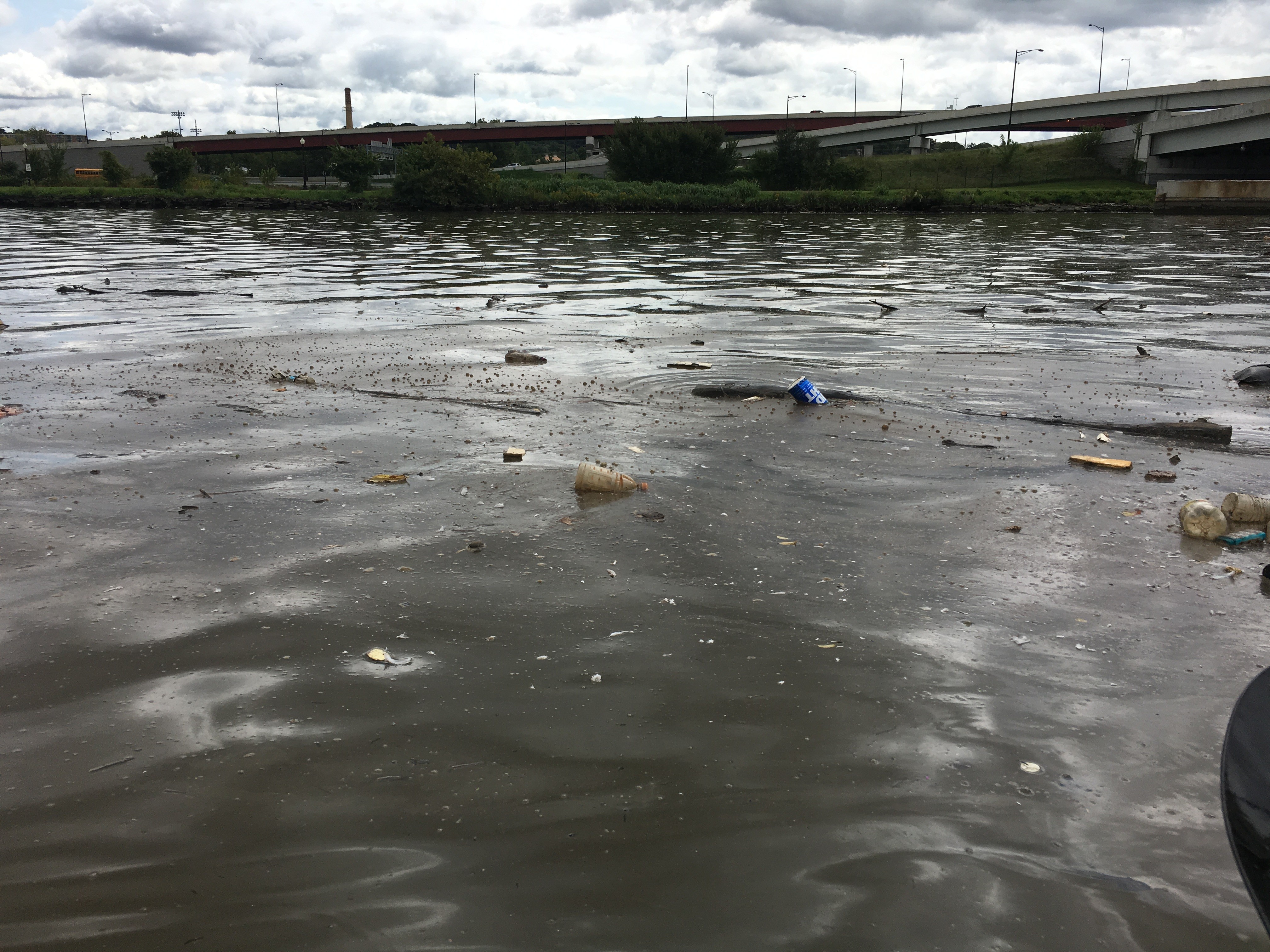
Plastic bottles, cups and other floating debris on the surface of the Anacostia River before the Anacostia River Tunnel began operating.
Jul 21, 2026
Protecting our waterways starts with everyday actions and continues through critical infrastructure designed to keep pollution out of our rivers.

Upcoming Meeting

Board of Directors Meeting

April 24, 2023

Monday 9:00 AM

Announcement

Photo of Piney Branch Tunnel site, including the outfall where combined stormwater and wastewater overflows are released in heavy rains
TRAFFIC ADVISORY: Temporary Road Closure for Equipment Delivery May cause delays on Park Road NW

On November 17, drivers may experience delays along Klingle Road and Park Road NW around midday 10 a.m.

Latest Blog Post
Before-and-after comparison of a 12-inch blowoff connected to a 36-inch water main near Massachusetts Avenue and Macomb Street NW. The images show the inside of the structure before the repair, repair work around the pipe, and the interior after the repair was completed.
One Repair, Millions of Gallons Saved
How Teamwork Helped DC Water Stop Hidden Water Loss
Upcoming Meeting

Upcoming Events

Customer Service Center Announcement

Payment Plan Incentive: provides a credit back of 50% of the last 3 payments made. Eligible participants are residential customers who have had an outstanding balance for 60 days or greater and with an outstanding balance of $500 or more.