National Park Service approves DC Water’s Potomac River Tunnel project to improve water quality
April 14, 2020


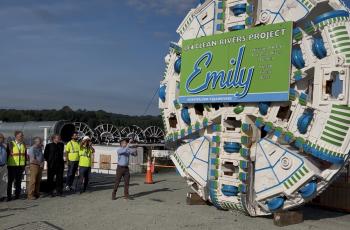
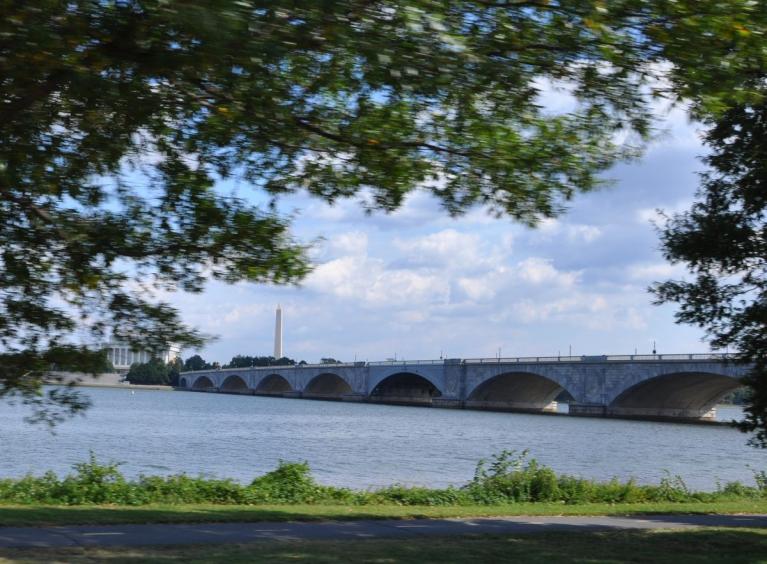
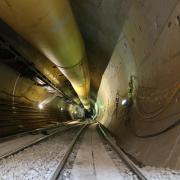
The National Park Service (NPS) has completed an Environmental Assessment (EA) and approved DC Water’s proposal to move forward with construction of the Potomac River Tunnel project. The proposed project, primarily on NPS land in northwest D.C., will improve water quality and reduce combined sewer overflows (CSOs) to the Potomac River. The Potomac River Tunnel is part of DC Water’s Clean Rivers Project.

The Potomac River Tunnel will reduce the volume of CSOs by 93%, and the frequency of overflow events from approximately 74 to 4 events in a year of average rainfall. The project includes construction of diversion facilities and other supporting infrastructure to intercept CSOs from the existing combined sewer system and divert them to the tunnel when existing sewer system capacity is exceeded during storms. Once diverted to the tunnel, excess flows will be carried by gravity to DC Water’s Blue Plains Advanced Wastewater Treatment Plant.

“We have seen the Anacostia River Tunnel with its tremendous performance, bring a resurgence to that river and its banks,” said DC Water CEO and General Manager David L. Gadis. “We know that the projects we have planned for the Potomac will dramatically improve the health of the river and the quality of life for those who enjoy it. Cleaner rivers invite more recreation and entertainment as well as economic vitality.”

Because this project primarily takes place on NPS land, an Environmental Assessment (EA) was completed. The NPS evaluated two alternatives, a no-action alternative and an action alternative for the tunnel project. A Finding of No Significant Impact (FONSI) was signed by the NPS Acting Director, Region 1 - National Capital Area on March 30, 2020, selecting the construction of the Potomac River Tunnel as the preferred alternative and concluding the National Environmental Policy Act (NEPA) process.

“Clean water is vital to plants, animals, parks, and people who live, work and play nearby,” acting NPS National Capital Area Director Lisa Mendelson-Ielmini said. “After seeing the remarkable early success of the tunnel on the Anacostia River, it’s exciting for us in the National Park Service to think about the possibilities for the Potomac.”

This next phase of the DC Clean Rivers Project will build upon the success of similar projects implemented for the Anacostia River, which have already captured over 7 billion gallons of combined sewage since being placed in operation in 2018. Overall, the DC Clean Rivers Project will reduce the volume of CSOs to District waters by 96% upon its completion in 2030.

The FONSI, EA, and the National Historic Preservation Act Section 106 Programmatic Agreement executed between NPS, DC Water, the DC Historic Preservation Office, and the National Capital Planning Commission are available here.
For more information about the project, please contact DC Clean Rivers Project Public Outreach at (202) 787-4142 or send an email to dccleanrivers@dcwater.com

Latest News

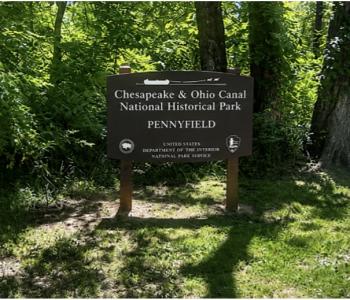
Pennyfield Lock Potomac Interceptor bypass pipeline running next to C & O Canal with equipment

There is no active spill or overflow. Work to strengthen the pipe to begin soon.

Today, DC Water completed construction on a temporary bypass system as part of sewer repairs on the Potomac Interceptor near Pennyfield Lock in Potomac, Maryland. Crews turned on the pumps and successfully tested the system. With the bypass now ready, it will allow us to begin the emergency repairs inside the pipe by carrying the wastewater around the repair area.

DC Water Officials with NPS and ANC commissioners doing ceremonial groundbreaking

Today, DC Water broke ground on the Piney Branch Tunnel, the final major tunnel in our Clean Rivers Project. This work will help keep sewage and trash out of local waterways and make Rock Creek, the Potomac River, and the Chesapeake Bay cleaner for our community.

When we finish the Piney Branch Tunnel, it will hold at least 4.2 million gallons of rainwater and wastewater during heavy storms. Instead of overflowing into Piney Branch, that water will go to the Blue Plains Water Resource Recovery Facility, where it will be treated.

Photo of the drop shaft looking from above down into the bottom

Starting the week of July 13, 2026, people who live, work or travel near the Canal Road NW entrance to Georgetown University may hear controlled blasting. This work is part of our Potomac River Tunnel Project.

When blasting happens, neighbors may hear a brief noise or feel light shaking. Drivers, cyclists, and pedestrians on Canal Road NW may also be stopped for a few minutes while we safely complete each blast.

Upcoming Meeting

Board of Directors Meeting

April 24, 2023

Monday 9:00 AM

Announcement

DC Water Officials with NPS and ANC commissioners doing ceremonial groundbreaking
DC Water Breaks Ground on Piney Branch Tunnel, Final Phase of DC Clean Rivers Project

Today, DC Water broke ground on the Piney Branch Tunnel, the final major tunnel in our Clean Rivers Project. This work will help keep sewage and trash out of local waterways and make Rock Creek, the Potomac River, and the Chesapeake Bay cleaner for our community.

When we finish the Piney Branch Tunnel, it will hold at least 4.2 million gallons of rainwater and wastewater during heavy storms. Instead of overflowing into Piney Branch, that water will go to the Blue Plains Water Resource Recovery Facility, where it will be treated.

Latest Blog Post
Five photos from the American Water Works Association (AWWA) ACE26 conference featuring panel discussions, technical presentations, networking, and attendees posing at the ACE26 display.
ACE26 Highlights: How DC Water Advanced the Conversation on Water
More than 80 DC Water employees joined thousands of water professionals in Washington, D.C., sharing expertise, building partnerships and advancing conversations that will help shape the future of water.
Upcoming Meeting
Date
July 16, 2026
Thursday, 9:30 AM

Upcoming Events

Jul 23
Jul 25

Customer Service Center Announcement

Payment Plan Incentive: provides a credit back of 50% of the last 3 payments made. Eligible participants are residential customers who have had an outstanding balance for 60 days or greater and with an outstanding balance of $500 or more.