Controlled Blasting to Begin for Potomac River Tunnel Work Near Georgetown
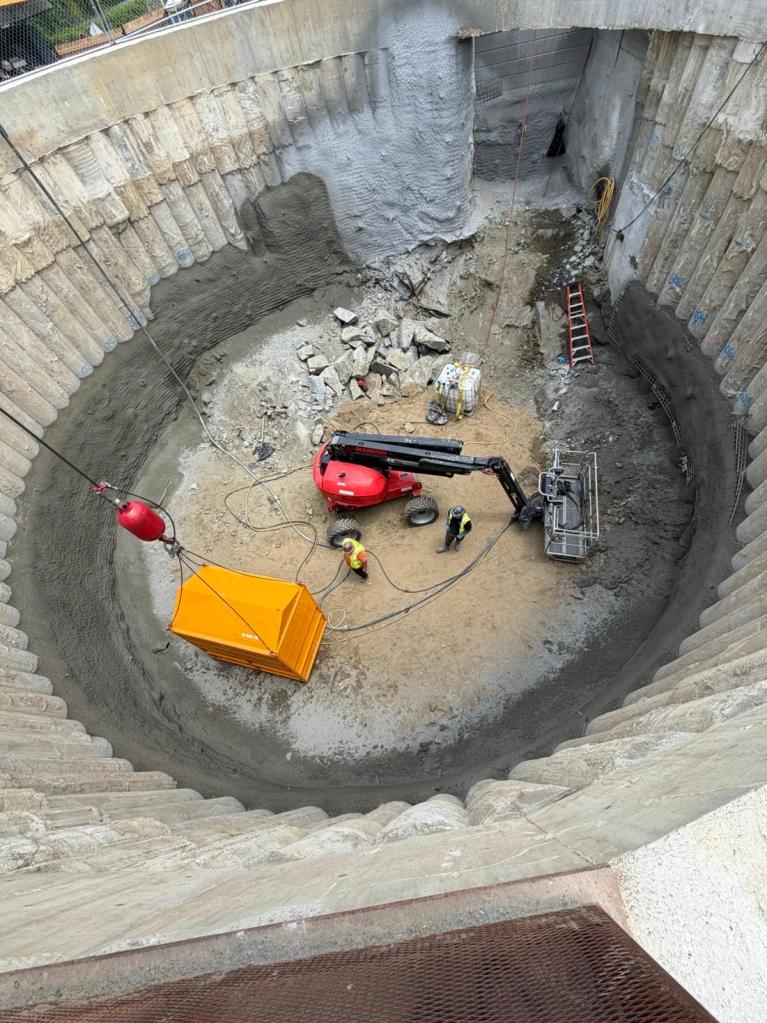
Starting the week of July 13, 2026, people who live, work or travel near the Canal Road NW entrance to Georgetown University may hear controlled blasting. This work is part of our Potomac River Tunnel Project.
When blasting happens, neighbors may hear a brief noise or feel light shaking. Drivers, cyclists, and pedestrians on Canal Road NW may also be stopped for a few minutes while we safely complete each blast.
We need to blast underground to dig a deep shaft at the northern end of the 5.5-mile tunnel system. The shaft will help connect the new tunnel to the sewer system we already have.
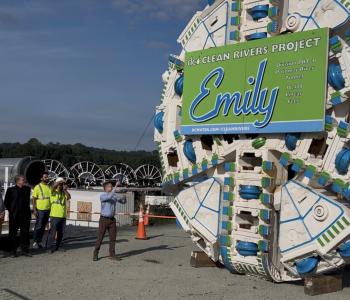
Two tunnel boring machines (TBM) will dig the tunnel. The TBM Mary will tunnel the 2.4-mile section to the Georgetown University site. Her sister TBM, Emily, will tunnel the 3.1 miles south to Joint Base Anacostia-Bolling and connect to the existing Anacostia River Tunnel. When the tunnel is finished in 2030, it will help keep stormwater and wastewater out of the Potomac River during heavy rain.
What to Expect
When: Starting the week of July 13, 2026, and continue through June 2027
What: Controlled blasting for the Potomac River Tunnel Project
Where: Near the Canal Road NW entrance to Georgetown University
Schedule: About every two weeks, after the first test blasts
For safety, police and flaggers will stop cars, bikes, and people walking nearby for about five minutes during each blast.
- An air horn will sound before each blast.
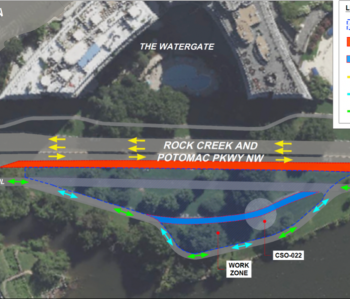
- Police and flaggers will briefly stop traffic on Canal Road NW between the university entrance and Foxhall Road NW.
- West Road NW and nearby sidewalks also will close for a few minutes.
- A final air horn will sound when the area is clear and traffic can move again.
We are working with DC Fire and EMS, the Metropolitan Police Department, and the National Park Service to help keep the work safe.
Trained workers will watch the underground blasting closely. People nearby may hear a short noise or feel light shaking. Our crews will follow safety rules and required permits.
About the Project
The Potomac River Tunnel is part of our Clean Rivers Project. This project is helping make the District’s rivers cleaner. During heavy rain, too much water can enter the sewer system. When that happens, a mix of stormwater and wastewater can overflow into the Potomac River.
When the tunnel opens in 2030, it will keep much more of that water out of the river. It is expected to cut these overflows by up to 93%. It also will reduce overflow events from about 74 a year to about four. That means cleaner water for the Potomac River, Chesapeake Bay, and nearby communities.
Stay Connected
For project updates or questions, please contact us:
- Project Email: dcpotomacrivertunnel@dcwater.com
- Project Website: dcwater.com/prt
- Dedicated Project Hotline: 202-972-1388
- DC Water 24-hour Emergency: 202-612-3400
For a water or sewer emergency, or if your service is disrupted, call our 24-hour Emergency Command Center at 202-612-3400.