DC Water Issues Boil Water Advisory for Customers in Some District Neighborhoods
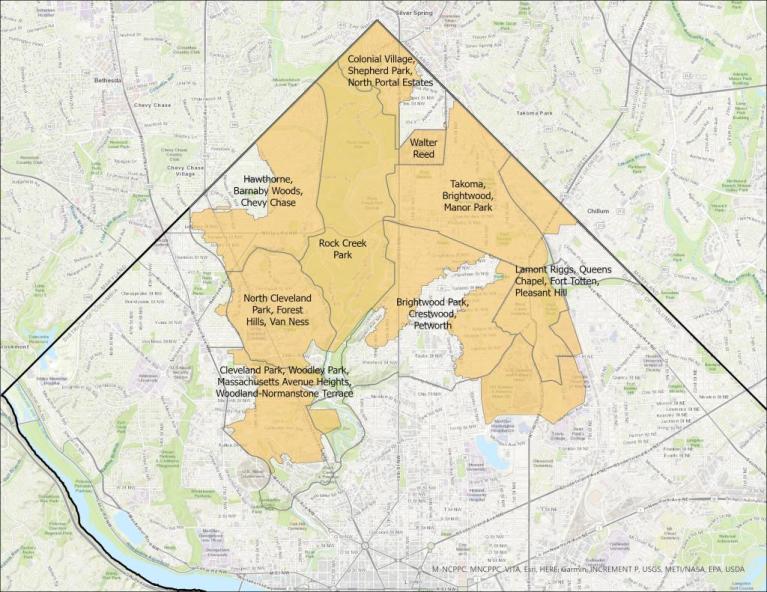
The District of Columbia Water and Sewer Authority (DC Water) issued a Boil Water Advisory today for some customers that are or have had loss of water pressure on Friday, January 19, 2024. This is a precautionary notice to customers in the impacted area to boil water that may be ingested due to water of unknown quality in this localized area of the system. Do not drink the water without boiling it first. This advisory will remain in place until follow-up testing confirms the water is safe to drink.
DC Water advises customers to search their address on the interactive map at dcwater.com or call the 24-Hour Command Center at (202) 612-3400 to determine if they are in the impact area of this advisory. Customers in the impact area should boil water used for drinking and cooking. Customers outside this area can continue normal water use.
The impacted neighborhoods include Colonial Village, Shepherd Park, North Portal Estates, Walter Reed, Takoma, Brightwood, Manor Park, Lamond Riggs, Queens Chapel, Fort Totten, Pleasant Hill, Brightwood Park, Crestwood, Petworth, Rock Creek Park, Hawthorne, Barnaby Woods, Chevy Chase, North Cleveland Park, Forest Hills, Van Ness, Cleveland Park, Woodley Park, Massachusetts Avenue Heights, and Woodland-Normanstone Terrace.
Customers in the impact area should follow this guidance at this time:
- Discard any beverages and ice made after 11 am on Friday, January 19, 2024.
- Run cold water until clear (if discolored) prior to boiling.
- Run cold water for 2 minutes if known sources of lead are present prior to boiling.
- Bring water to a rolling boil for 1 minute and let it cool.
- Store cooled water in a clean, covered container.
Cooled, boiled water or bottled water should be used for:
- Drinking
- Brushing teeth
- Preparing and cooking food
- Washing fruits and vegetables
- Preparing infant formula
- Making ice
- Giving water to pets
*Do not use home filtering devices in place of boiled or bottled water.
What happened (Background)
On the afternoon of January 19, 2024, DC Water received a number of calls from customers in Northwest DC who were experiencing low or no water pressure. DC Water assessed the system and confirmed low pressure at multiple locations within the impacted area. Crews are still investigating the cause and working to restore system pressure.
Due to the loss of pressure in the distribution system, this may cause backpressure, backsiphonage, or a net movement of water from outside the pipe to the inside through cracks, breaks, or joints in the distribution system that are common in all water systems. Pressure loss could result in a high potential that fecal contamination or other disease-causing organisms could enter the distribution system. These conditions may pose an imminent and substantial health endangerment to persons served by the system. We are still investigating the cause of the pressure loss and will test the water once the cause it identified and corrected.
Bacteria and other disease-causing contamination such as viruses and parasites can cause symptoms such as diarrhea, cramps, nausea, headaches, or other symptoms. They may pose a special health risk for infants, young children, some of the elderly and people with severely compromised immune systems.
The symptoms above are not only caused by microbes in drinking water. If you experience any of these symptoms and they persist, you may want to seek medical advice. People at increased risk should seek advice about drinking water from their health care providers.
We have no information that the water was contaminated by this incident, but issue this advisory as a precaution while we test the water. DC Water will collect samples in the impacted area. The advisory will be lifted when tests on two consecutive days show no bacteria are present and all customers can continue normal water use, which we anticipate will be on Sunday, January 21 at the earliest.
Please share this information with all the other people who drink this water, especially those who may not have received this notice directly (for example, people in apartments, nursing homes, schools, and businesses). You can do this by posting this notice in a public place or distributing copies by hand or mail.
Customers with water quality questions should contact the Department of Water Quality at (202) 612-3440 (Monday-Friday, 8 a.m. to 4:30 p.m.). All other questions should be directed to DC Water Customer Service at (202) 354-3600 (Monday-Friday, 8 a.m. to 5 p.m.), the 24-Hour Command Center at 202-612-3400 or the Office of Marketing and Communications at (202) 787-2200 (Monday-Friday, 8 a.m. to 5 p.m.).
Information is also available at www.dcwater.com.
Este aviso y más información están también disponibles en www.dcwater.com.
Additional Resources
EPA Safe Drinking Water Hotline: 1-800-426-4791
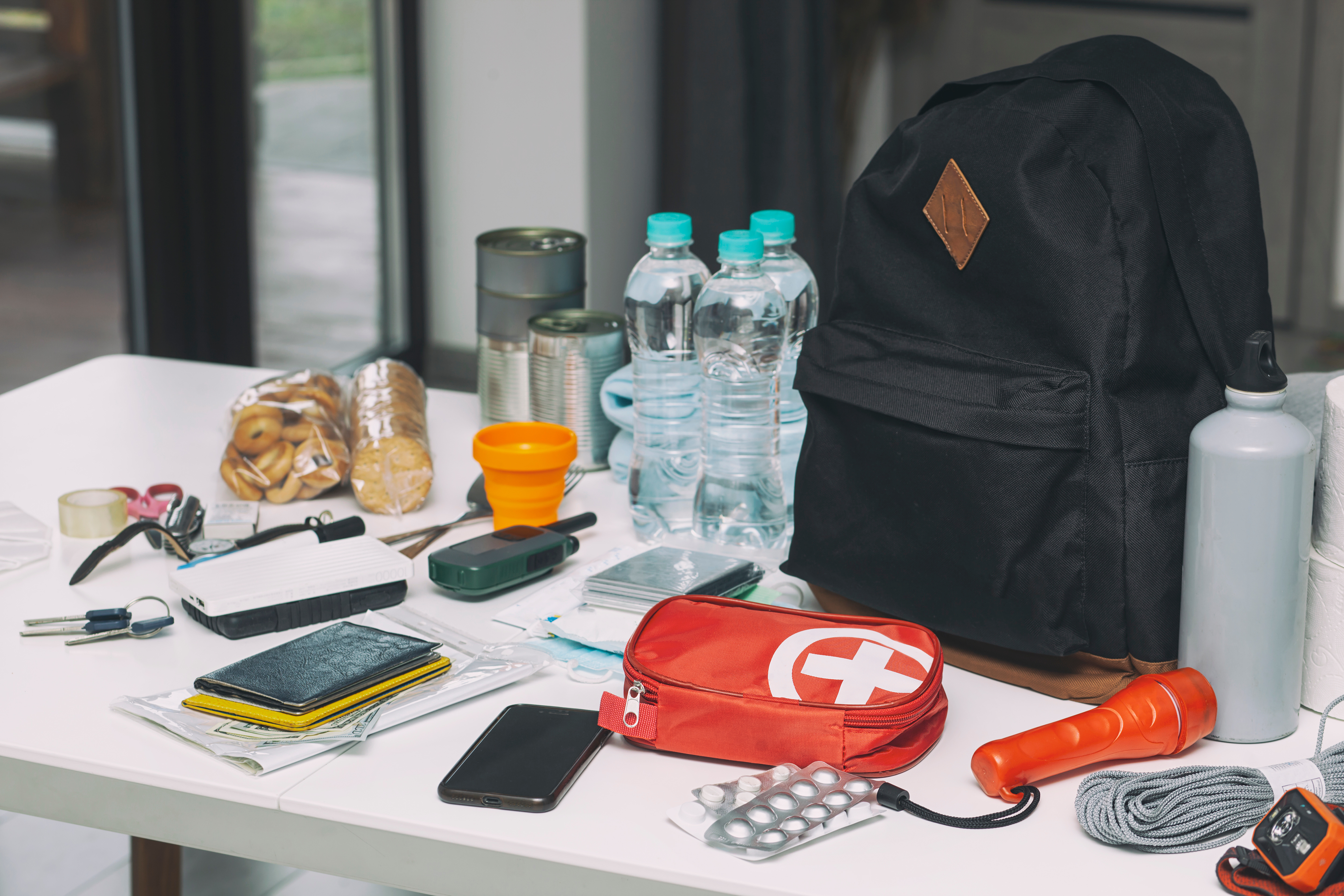
Personal Preparation and Storage of Safe Water: CDC provides guidance on the amount of water needed for good health, and preparing and storing water safely before and during an emergency.
Hygiene and Handwashing: CDC provides guidance on alternative hygienic practices when water is not available or is contaminated.
Keeping hands clean during an emergency helps prevent the spread of germs. If your tap water is not safe to use, wash your hands with soap and water that has been made safe to use. See the handwashing section below for more information on how to keep hands clean during an emergency.
How should you wash your hands?
- Wet your hands with clean, running water (warm or cold), turn off the tap, and apply soap.
- Lather your hands by rubbing them together with the soap. Be sure to lather the backs of your hands, between your fingers, and under your nails.
- Scrub your hands for at least 20 seconds. Need a timer? Hum the “Happy Birthday” song from beginning to end twice.
- Rinse your hands well under clean, running water.
- Dry your hands using a clean towel or air dry them.
Consumer Information: EPA provides information and guidance about drinking water quality, emergencies, contaminants, public health issues, and treatment and storage.