DC Water begins sewer investigations in Georgetown for sewer separation
Dye testing process enables the Authority to determine existing sewer configurations
DC Water is beginning sewer investigations as part of the larger Clean Rivers Project in Georgetown.
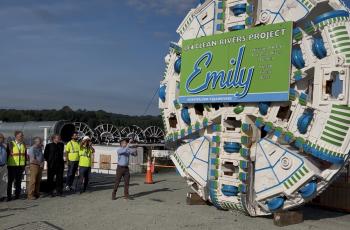
The Clean Rivers Project is cleaning up all three of the District’s waterways as part of a 2005 consent decree. In the Potomac River sewershed, DC Water will use a multifaceted approach to reduce combined sewer overflows (CSO), which contribute harmful bacteria and debris to the river. In addition to constructing a tunnel and green infrastructure, DC Water is using sewer separation for two CSO outfalls- CSOs 025 and 026. Sewer separation seeks to disconnect stormwater systems from the combined sewer system, giving the location two separate systems, one for sanitary sewage and one for stormwater.
The first step is to perform sewer investigation and confirm the configuration of the existing sewer system. A dye test consists of adding a non-toxic dye to plumbing fixtures such as sinks or toilets and then tracing the dye as it flows through the pipes and sewers. The locations that DC Water selected should discharge to the existing sewer system of two CSO outfalls (CSO 025 and 026), near Georgetown Waterfront Park.
The dye testing will be performed at properties whose owners volunteer for the test. The dye, yellow in color, is expected to flow all the way to the Blue Plains Advanced Wastewater Treatment Plant. However, there may be unknown connections to the sewer system that result in dye traveling to the Potomac River in the Georgetown Waterfront Park area. The dye is non-toxic and not harmful in these small quantities. Less than an ounce of dye is used at each property.
This type of investigation and dye is standard for DC Water and is used throughout the country. The dye testing is planned for roughly March 20 to April 2.
For more information regarding this dye testing, please contact Amanda Zander at DC Water at amanda.zander@dcwater.com or 202-787-4142.
For information on the Clean Rivers Project, see dcwater.com/cleanrivers.