DC Water Begins Restoration of C & O Canal after Clean-Up Completed
Work on Long-Term Rehabilitation of the Potomac Interceptor Continues
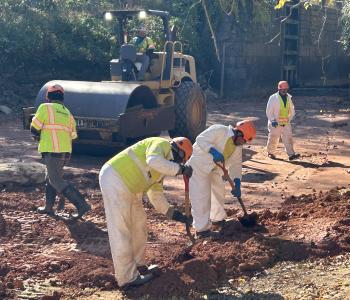
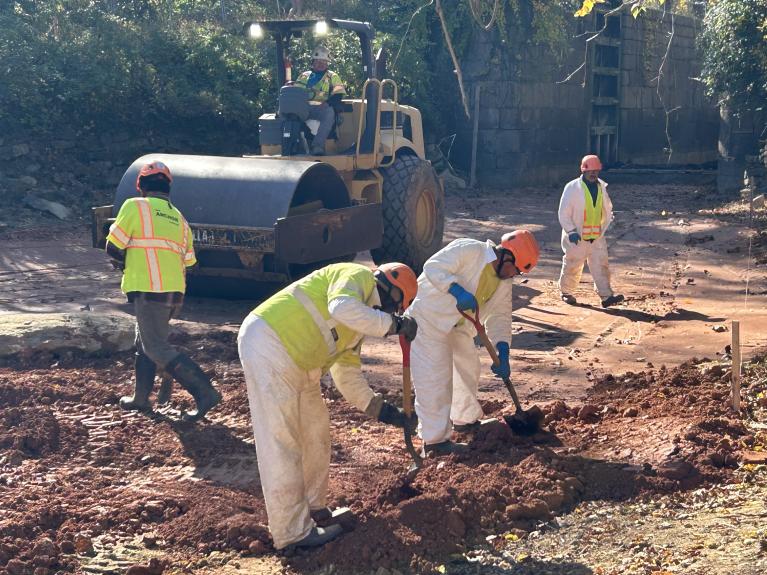
Today, DC Water marked the start of work to restore a section of the historic C & O Canal. Construction is underway to rebuild the clay liner which creates a waterproof seal that keeps the canal water from leaking. It’s the next step in the environmental rehabilitation process following the Potomac Interceptor sewer collapse in January.
The canal restoration comes with the clean-up now complete after testing confirmed bacteria levels in the soil were safe. Crews spent months removing sludge and digging out 8500 tons of contaminated soil from the canal between locks 10 and 14. It was used as a temporary bypass to safely move nearly two billion gallons of wastewater during emergency repairs.
DC Water is coordinating with National Park Service to restore the canal to NPS specifications. Crews will repair the clay liner, restore the canal’s shape and slope, and rebuild the wooden lock gates. When the work is done, the canal will be in better condition than before the incident.
“We know how important the Potomac River and the C&O Canal National Historical Park are to this community and visitors from across the region. We understand the impact this incident has had and appreciate the community’s support throughout the process,” said DC Water Interim CEO and General Manager Matthew T. Brown. “Getting here has also taken an extraordinary effort by the DC Water team. We remain committed to restoring this national treasure and completing the long-term repairs needed to strengthen the Potomac Interceptor and protect our region’s wastewater system.”
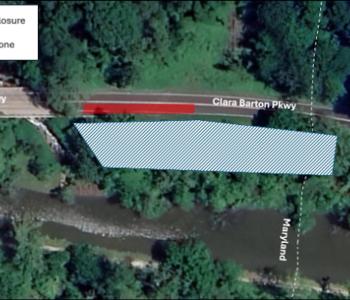
Clean-up in other areas affected by the overflow finished in April. These areas include the drainage channel along Clara Barton Parkway, the stream running through Rock Run Culvert, also called Culvert 12, and a small stream that flows to the Potomac River.
Long-term repairs to the Potomac Interceptor are also moving forward. Crews are building a bypass chamber and a bypass pumping system. This system will keep wastewater moving safely while repairs are made. It includes four pipes that run side by side capable of handling a flow rate of 120 million gallons of wastewater a day. Each pipe is more than 2,700 feet long. Together, the pipes total about 10,800 feet.
Once the bypass system is ready, crews will strengthen the old sewer pipe. They will do this by placing a new pipe inside the existing one. This work - called sliplining - will help make this section of pipe like new again. Crews will need to excavate additional pits for sliplining along other sections of the pipe as part of the repair. The work is expected to be finished in the spring.
After the collapse, DC Water inspected the full 54-mile Potomac Interceptor with newer technology. This helped DC Water decide which areas need repairs first. Repairs have been completed on a section of the Potomac Interceptor at Dulles International Airport and Broad Run in Loudoun County. Work continues at two additional locations: Pennyfield Lock in Potomac, Maryland and Clara Barton Parkway at the DC-Maryland border.
For more information about the Potomac Interceptor Rehabilitation Project, visit dcwater.com/potomacinterceptor.