DC Water Sues EPA to Correct Technical Mistakes in Recent Regulatory Action
DC Water has filed a lawsuit in the United States District Court for the District of Columbia against the U.S. Environmental Protection Agency (EPA) to correct technical mistakes in a recent regulatory action that may force unreasonable mandates on its Blue Plains Wastewater Treatment Facility. Specifically, DC Water is seeking corrections to the Total Maximum Daily Load (TMDL) for E. coli. Without the corrections, DC Water could be forced to spend as much as a billion dollars of ratepayer money for additional controls that would not measurably improve water quality.
The lawsuit in no way alters DC Waters commitment to doing its part to help improve the Chesapeake Bay, the Potomac and Anacostia Rivers and Rock Creek. To date, DC Water has met or exceeded every one of its discharge requirements and will continue to do so. Since January 1, 2015, DC Water has removed over 1.1 million pounds of nutrients beyond what is required for protection of the Chesapeake Bay.
EPAs 2014 TMDL, establishes maximum daily allocations for E. coli that can be discharged by the Blue Plains Wastewater Treatment Facility. These allocations are based on flawed methodology that does not account for normal and expected variations in flow and effluent concentration at Blue Plains. DC Water made numerous attempts to engage EPA to revise the flawed allocations to no avail. Although DC Water provided substantial comments to draft versions of the TMDL, EPA made material changes to the TMDL in the final published rule and failed to provide DC Water and the public with an opportunity to comment. DC Water would have preferred to comment prior to the final rule to solve these technical mistakes without litigation.
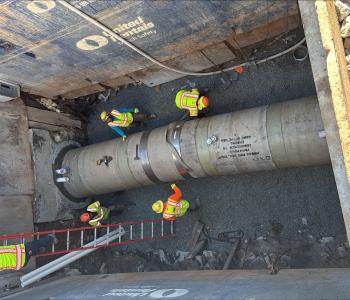
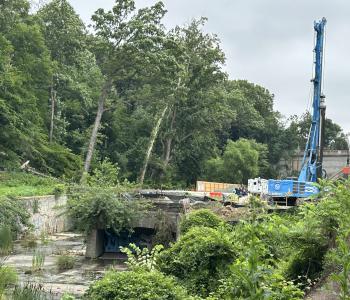
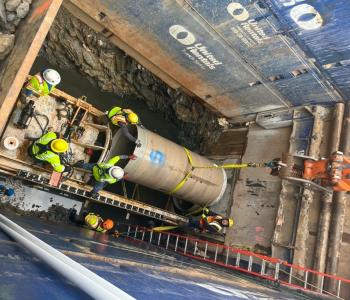
Through the Clean Rivers Project, DC Water has spent approximately $1.5 billion to ultimately reduce 96% of combined sewer overflows (CSO) and improve wastewater treatment capacity at Blue Plains. The total project is estimated to cost DC ratepayers $2.6 billion. Implementation of EPAs maximum daily allocations for Blue Plains is not needed to meet the District of Columbias water quality standards and could force costly modifications to the Clean Rivers Project.
Unfortunately, errors by EPA could place a huge burden on DC Water and the public, said DC Water CEO and General Manager George S. Hawkins. Without the ability to provide comments to EPA, we are forced to take this step to protect our ratepayers from making additional large investments that would have little to no water quality benefit. Were hopeful EPA will revise the TMDL to correct the errors in the Blue Plains maximum daily allocations.
As in many older cities, about one-third of the District has a combined sewer system. A CSO occurs during heavy rain when the mixture of sewage and stormwater exceeds the capacity of the sewer pipes and overflows to the nearest water body. This was standard engineering design in the late 1800s and was preferable to the combined sewage backing up in homes and businesses and on streets. CSOs contain bacteria and trash that can be harmful to waterways and the aquatic life they support. In an average year of rainfall, DC Waters Clean Rivers Project will decrease CSO volume by 98 percent to the Anacostia River and 96 percent to all three waterwaysthe Anacostia and Potomac rivers and Rock Creek. For more information on DC Waters Clean Rivers Project visit www.dcwater.com/cleanrivers.