In D.C., the right questions about water safety
I want to thank Rose Overbey ["Smelling trouble in D.C.s water," Local Opinions, April 25] for raising issues that should be on the mind of every consumer of drinking water in the District, in surrounding jurisdictions and throughout the United States.
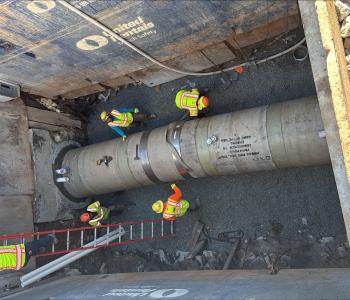
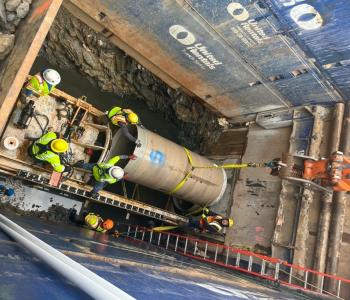
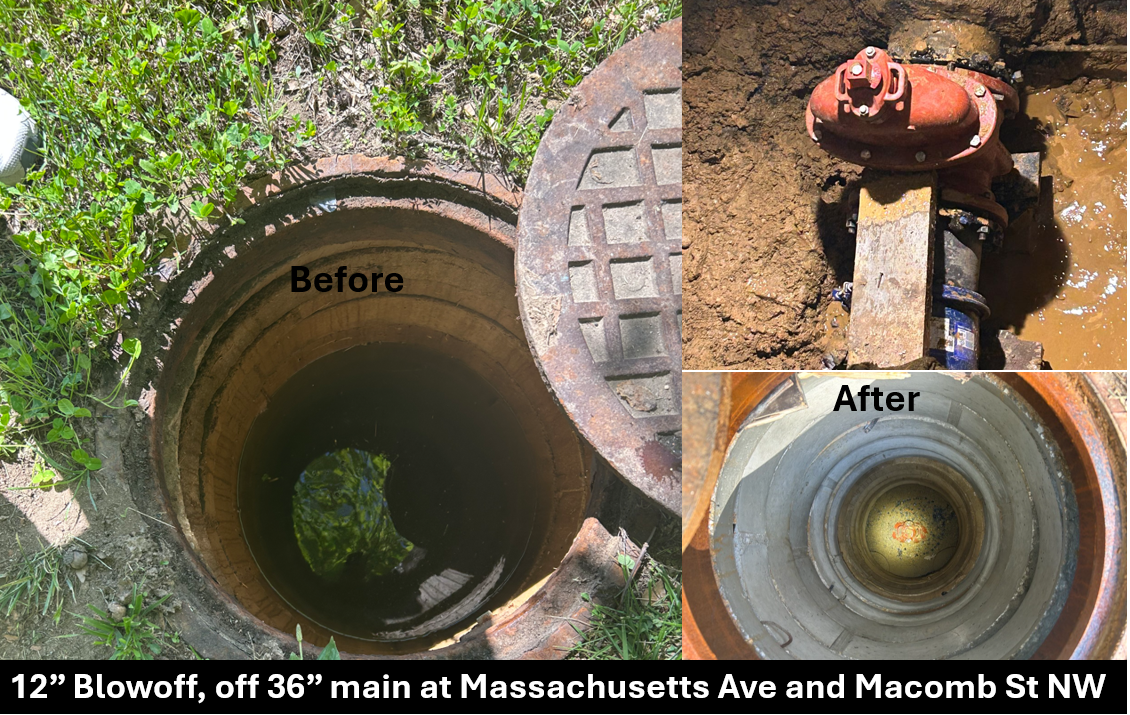
Ms. Overbey is correct about the need to replace aging infrastructure. The average age of water mains in the nations capital is 76 years. The latest proposed budget of the D.C. Water and Sewer Authority (WASA) would replace mains at twice the national average, but even at this accelerated pace, it will still take 100 years to completely replace the system. The authority plans to spend $650 million on water infrastructure over the next 10 years but $3.2 billion on capital projects related to wastewater treatment because of environmental mandates. To question whether this is the right balance is absolutely fair. Further, absent a large, much-needed federal investment in both areas, WASA will rely on ratepayers to fund these projects.
This raises the question: What is a fair price for a life-giving resource, a resource that is largely invisible unless a problem occurs? Our proposed 2011 rates will add less than $9 to the average residential customers bill -- not an insubstantial amount but one that still leaves the average bill at a quarter of an electricity bill, a third of a cell phone bill and half a cable bill. An interruption in these other services is generally inconvenient; an interruption in water supply could be catastrophic.
Ms. Overbey also rightly pointed out the challenges that arise from a bifurcated drinking-water system. The Washington Aqueduct collects and treats water for the District. WASA purchases the treated water and pumps it through our infrastructure into homes and businesses in the city. Though we must meet federal water-quality standards and do so through a vigorous compliance and testing program, WASA does not control the chemistry of the water -- only the pipes that carry it. The U.S. Army Corps of Engineers, which operates the Aqueduct, has had an excellent working relationship with WASA over the years. But the Corps has no elected or appointed officials on a board of directors to listen to public concerns about quality.
Finally, I want to point out that WASA did not exceed any regulatory standards for chlorine levels on April 20. Working closely with Region III of the U.S. Environmental Protection Agency, we notified customers in Upper Northwest of the chlorine spike at Fort Reno out of an abundance of caution. We anticipated no public health impacts but decided to provide as much precautionary information as we could, as quickly as possible. An open, accountable, straightforward water agency benefits us all.
Beginning this week, WASA is co-hosting a series of town hall meetings in every ward with various members of the D.C. Council. More details are available at www.dcwasa.com/rates. We hope to see many of our customers and to hear any concern, such as Ms. Overbeys, that helps in our work to protect public health and provide safe, clean and affordable water services to D.C. residents.
The writer is general manager of the D.C. Water and Sewer Authority.