EMERGENCY WATER MAIN REPAIR
Feb 07, 2026 | 04:00 AM

EMERGENCY WATER MAIN REPAIR
Feb 07, 2026 | 03:00 AM

EMERGENCY WATER OUTAGE
Feb 07, 2026 | 01:16 AM

Washington Aqueduct Returns to Chloramine to Disinfect Area Tap Water

May 24, 2023

This week, the Washington Aqueduct’s water treatment plants resumed using chloramine (chlorine plus ammonia) for drinking water disinfection. The Washington Aqueduct treats and provides water to the District of Columbia and other regional municipalities.

Chloramine provides long-lasting protection as water flows through the District’s large distribution system and to the tap. Chloramine also lowers the levels of certain byproducts of water disinfection, known as disinfection byproducts (DBPs). In February, the Aqueduct temporarily switched to free chlorine instead of chloramine, which is a standard practice in the water utility industry. It is performed annually to keep water mains clean and free of potentially harmful bacteria throughout the year.

As always, the District of Columbia Water and Sewer Authority (DC Water) will monitor the drinking water regularly to ensure it meets or exceeds all drinking water standards. Customers may continue to notice a chlorine taste and odor for an additional week before the chloramine reaches the entire water distribution system. This taste may be reduced by refrigerating a pitcher of drinking water overnight.

Individuals and business owners who normally take special precautions to remove chloramine from tap water, such as dialysis centers, medical facilities, and aquatic pet owners, should make sure they continue with these precautions as the disinfectant returns to chloramine again. For more information, contact the Drinking Water Division at (202) 612-3440 www.dcwater.com/waterquality. After hours, customers may call the 24-hour Emergency Call Center at 202-612-3400.

Latest News

Photo of giant rock and boulder removed

DC Water is releasing new findings regarding the environmental impacts following the January 19, collapse in a section of the Potomac Interceptor. Based on flow monitoring data collected before and after interim bypass pumping was activated, DC Water estimates approximately 243 million gallons of wastewater has overflowed from the collapse site.

Image of rock blockage taken by CCTV inside the Potomac Interceptor downstream of the collapse

Update on Extended Repairs, Safety Measures, and Water Quality Monitoring

Overnight CCTV inspection of the Potomac Interceptor revealed the blockage inside the collapsed sewer line is far more significant, showing a large rock dam stretching approximately 30 feet downstream of the original failure.

Three workers over the pit accessing the Potomac Interceptor for Cleaning

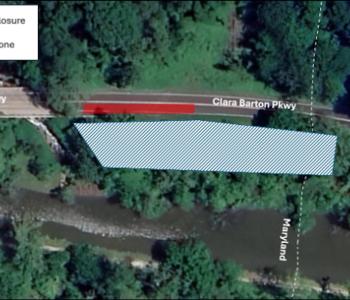
DC Water and its contractor are working to clean debris from a damaged section of the Potomac Interceptor, a sanitary sewer line that collapsed on January 19, along Clara Barton Parkway and the 495 ...

Upcoming Meeting

Board of Directors Meeting

April 24, 2023

Monday 9:00 AM

Announcement

Picture of new bike pedestrian path and traffic detour
New Path for Capital Crescent Trail Opens at Georgetown Waterfront Park

DC CLEAN RIVERS – POTOMAC RIVER TUNNEL PROJECT
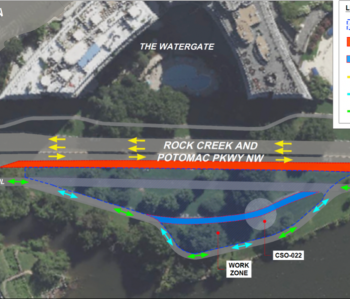
If you bike, drive, or walk through Georgetown, we’ve got changes starting this week around the Potomac River Tunnel construction on Water Street NW. The Capital Crescent Trail has a new temporary detour through Georgetown Waterfront Park, open now for cyclists between 33rd and Potomac streets NW.

Latest Blog Post
A helicopter lowers a drill rig to workers on the Potomac River.
DC Water begins drilling in Potomac River to explore options to rehab underwater sewer line
When one of your major sewer lines runs through the Potomac River, a backhoe and trencher won't do. That's why we've got helicopters carrying a 14-ton drill and workers suspended midair over the Potomac.
Upcoming Meeting
Date
February 19, 2026
Thursday, 9:30 AM

Upcoming Events

Customer Service Center Announcement

Payment Plan Incentive: provides a credit back of 40% of the last 3 payments made and in the new fiscal year 50% will be credited. Eligible participants are residential customers who have had an outstanding balance for 60 days or greater and with an outstanding balance of $500 or more.