Prepare for the Severe Weather Season
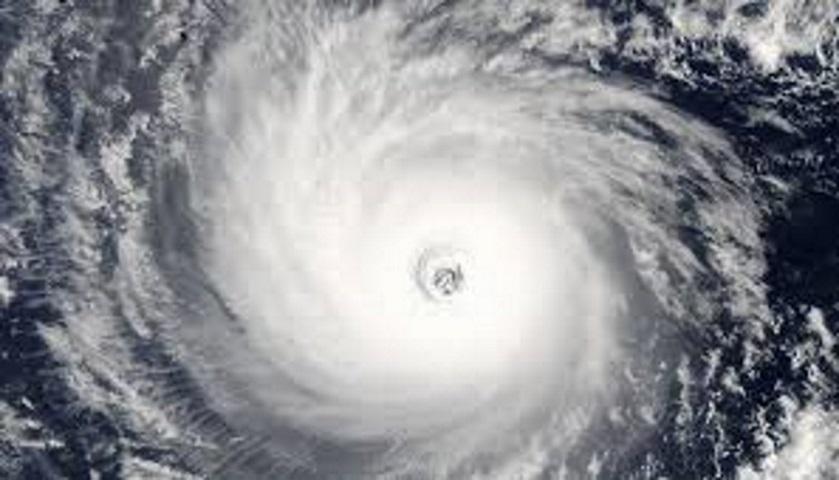
The Atlantic hurricane season is under way—it runs June 1 through November 30 every year. The more active periods tend to be in late summer and fall. In recent years, we have seen damaging storms along the eastern seaboard as well as in the southeast and the Caribbean islands.
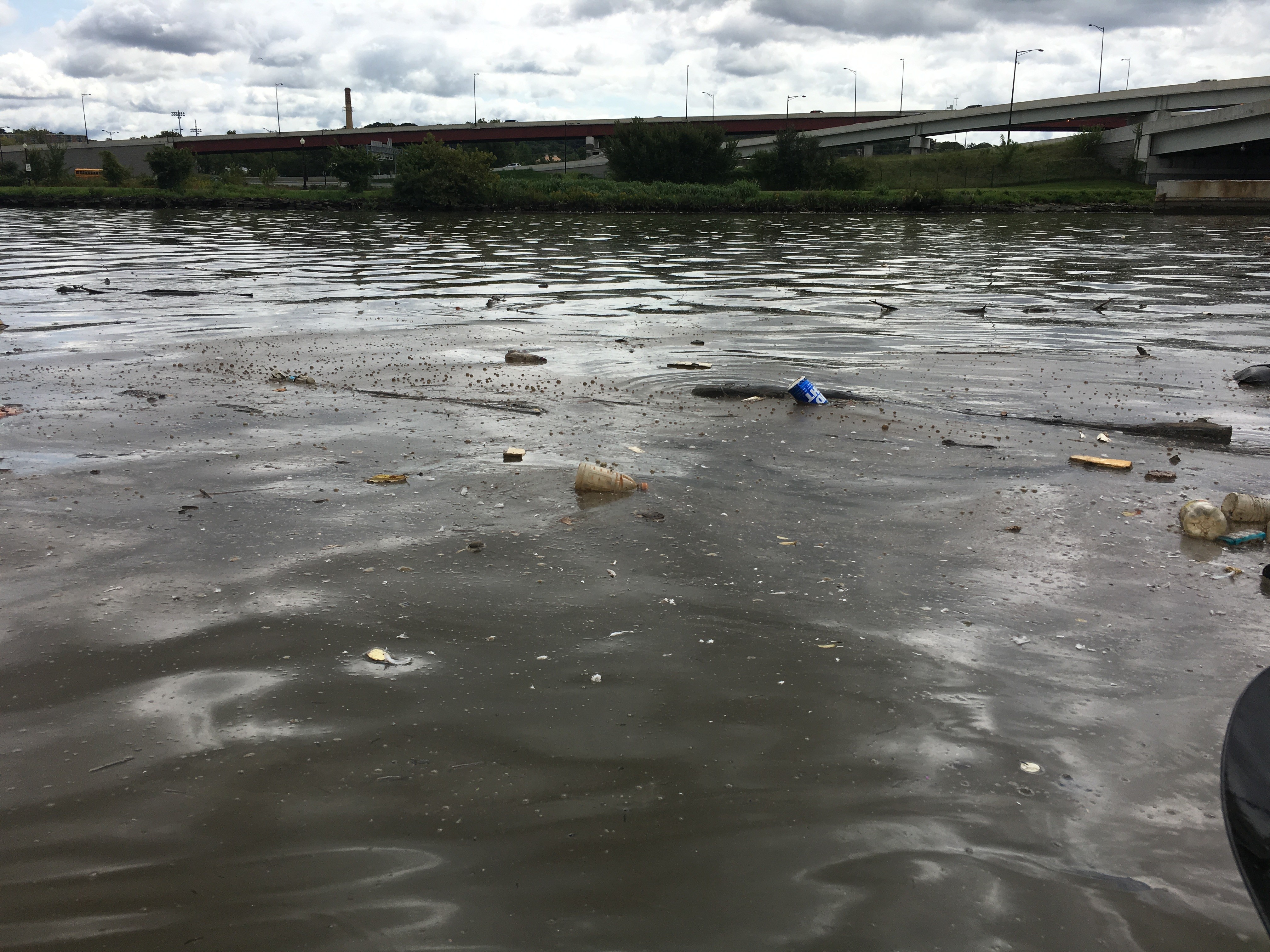
Here in Washington, DC, we often experience these storms after they have traveled over land and have degraded to tropical storm conditions. Winds and rain can still wreak havoc, causing flooding, downed power lines, property damage and dangerous conditions. Hurricane Sandy devastated parts of New Jersey and New York, as well as other states, with severe flooding.
But what if the District were to get the full force of a hurricane? That was the premise of a FEMA national-level exercise conducted this spring. More than 200 agencies and thousands of individuals took part to practice interagency coordination and communication.
At DC Water, in addition to participating in exercises such as these, we act proactively through an Office of Emergency Management. We also plan for resiliency in our operations. We consider and implement measures to protect existing structures and make every effort to build new facilities that are more resilient and able to withstand severe weather.

We have plans in place to reduce the impact of outages and flooding to our customers, and to protect our personnel and infrastructure in the event of emergencies. These plans utilize an all-hazards approach to emergencies we may experience at DC Water facilities. We also have the aid and support of surrounding agencies such as the District of Columbia’s Homeland Security Emergency Management Agency (DC-HSEMA).
District area residents and business owners are urged to protect themselves, their loved ones and their property. DC Water offers precautions to take when the weather service reports impending severe weather or hurricane. Please do the following before severe weather arrives:
- Visit ready.gov/hurricanes.
- Clear loose and clogged rain gutters and downspouts.
- Install backwater valves to help prevent sewer back-ups.
- Keep a battery-powered radio nearby.
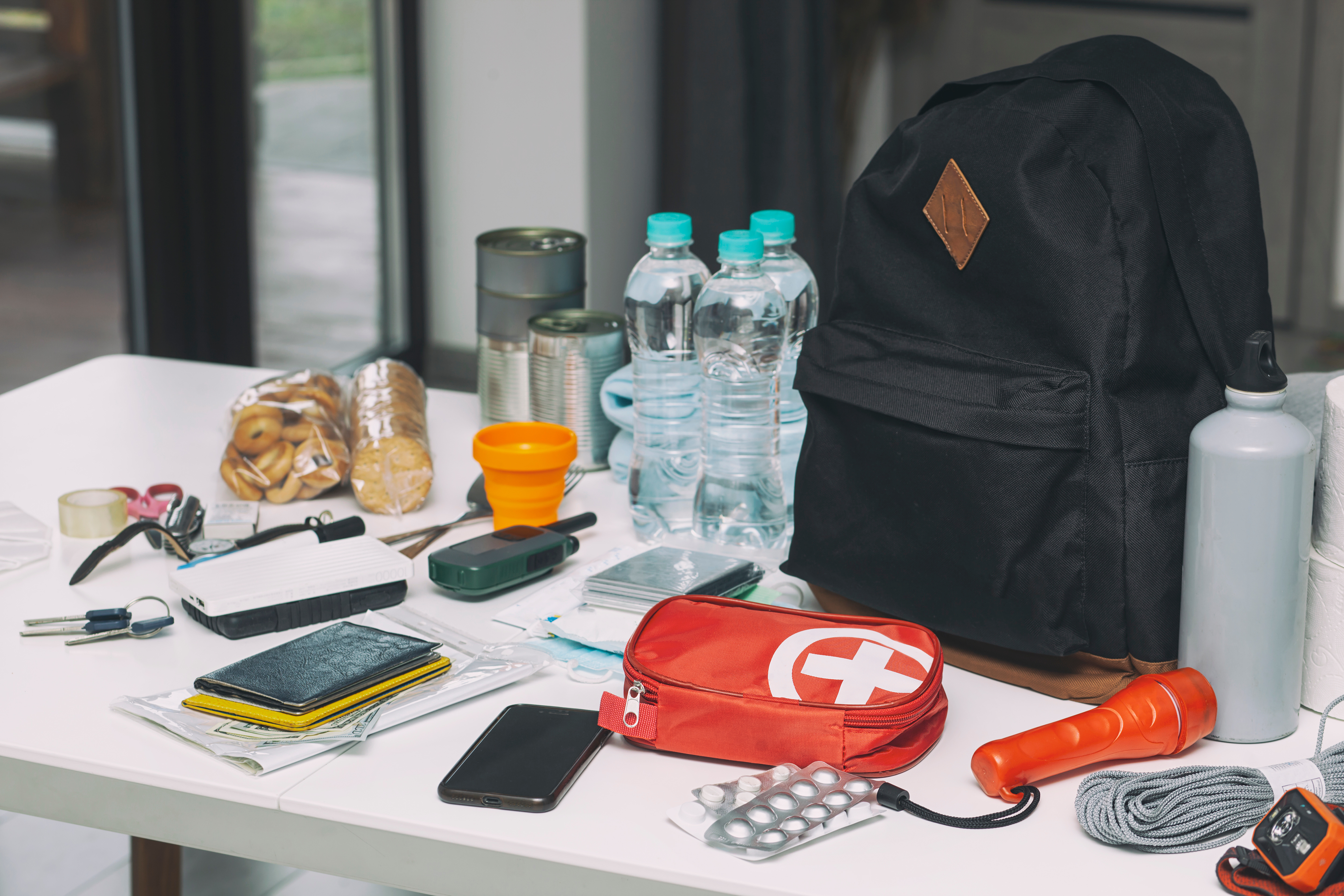
- Maintain an emergency supply of food and bottled water for your family and pets.
- Visit dcwater.com/prepare-hurricane to find out how much water you may need.
- Visit dcwater.com/responding-water emergency and print out how to prepare for and respond to water emergencies.
- If damage is extensive, listen to the media for information about water and sewer infrastructure and the safety of your drinking water.
- Call DC Water’s 24-hour Command Center for all water and sewer emergencies at 202-612-3400.
- Keep a first-aid kit handy, including flashlights and extra batteries.
- Sign up for alerts:
- DC Water’s alert system to be notified of outages and repairs: dcwater.com/signup
- DC Water news/releases: dcwater.com/signup
- o AlertDC: hsema.dc.gov/page/alertDC