Falling temperatures can cause water main breaks and frozen pipes
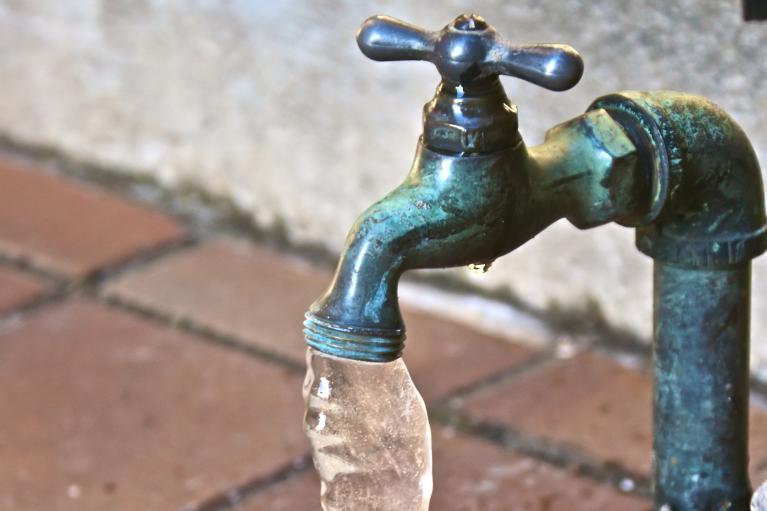
As temperatures fall across the region, DC Water prepares for its busy season of water main breaks. This past January, the frigid weather contributed to broken water mains across the region. In the District, we experienced more than 150 breaks over 11 days. For perspective, DC Water averages 400 water main breaks in a year.
In addition to the Authority’s Water Services crews, DC Water also calls upon contractors to assist when there are too many breaks at once. In addition, crews in other operational areas are cross-trained to pitch in as needed. When water mains break faster than we can fix them, we assess each one and prioritize repairs based on several factors such as severity of the break, impact to customers and the environment, potential damage to public and private property and unsafe traffic conditions due to street flooding, icing or road damage.
PLEASE REPORT WATER MAIN BREAKS
Anyone observing water running on streets or sidewalks is encouraged to report the leak to DC Water. Report a problem online at dcwater.com/report-problem, call DC Water's 24-hour emergency line at (202) 612-3400 or tweet @dcwater with a picture and location.
PREVENT FROZEN PIPES
There are steps you can take to help prevent the pipes in your home from freezing or breaking. First, insulate pipes with pipe sleeves that can be purchased at your local home improvement store, especially those pipes that are in colder areas such as basements and garages. In severe weather, allowing cold water to slowly drip from faucets served by exposed pipes may save them from freezing. The cold water is still above freezing and will help prevent the pipe from freezing. In addition, keeping the water running even slightly may help keep the service line that enters your home from freezing underground or at the meter pit. More tips can be found here: https://www.dcwater.com/cold-weather-pipes. Learn where your emergency shut off valve is located so that you can quickly turn off the water supply in the event of a burst pipe or other water emergency.
IF YOUR PIPES FREEZE, GENTLY THAW THEM
If you find you have a frozen pipe, you should immediately take steps to thaw the pipe to keep it from bursting.
- Locate and shut off the main water supply valve in case a pipe has broken.
- Next, open the faucet so that water will flow through the pipe once the area is melted. This will help melt more ice.
- Gently apply heat with a hairdryer around the pipe. Keep all sources of heat away from flammable materials and do not use any open flame devices. Also, do not use devices that will cause the melted ice to boil, as that can also cause pipes to break or cause injury.
- Call a licensed plumber if you cannot locate the frozen section, if you are unable to reach it, or if you are unable to thaw it.
- Check for other frozen pipes in your home or business, especially those pipes that are located along an exterior wall or that bring the water into the building at the foundation.
FOR PIPES OUTSIDE YOUR HOME
The service line that runs from the meter outside your home to your indoor plumbing is considered private property and is the owner’s responsibility. If you believe you have a problem on the private-side service line, please contact a licensed and registered plumber. The water mains that carry water to service lines are highly pressurized and fast moving, and therefore extremely unlikely to ever freeze.
For emergency service inside your home, contact a licensed plumber. Call the DC Water 24-hour emergency line at (202) 612-3400 for water emergencies on public property.
For more information on pipes and cold weather please visit: dcwater.com/cold-weather-pipes.
For more information on water main breaks, please visit: dcwater.com/cycle-water-break.